Health
White House backs sewage drug monitoring, raising privacy concerns
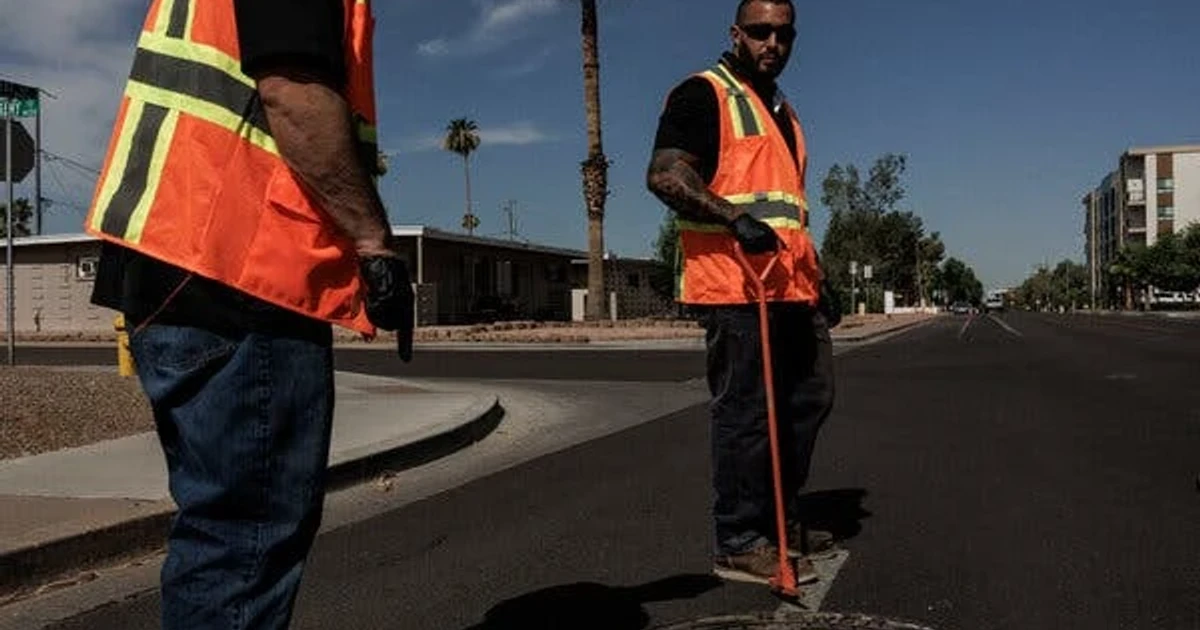
The White House is embracing sewage-based drug monitoring as part of its fight against fentanyl, even as critics warn that a tool built for public health could drift into neighborhood surveillance. The administration’s 2026 National Drug Control Strategy says it is pursuing a whole-of-government approach to the fentanyl and drug crisis, and its drug-policy language explicitly links drug control with protecting children and communities.
The Office of National Drug Control Policy, created by the Anti-Drug Abuse Act of 1988, sits at the center of that push. The White House says the strategy advances efforts to make treatment more accessible than drugs, while emphasizing early intervention, prevention, treatment and recovery. That framing matters because wastewater monitoring can reveal drug exposure at a community level without testing individual residents, making it attractive to officials looking for faster warnings than overdose reports or emergency-room data.
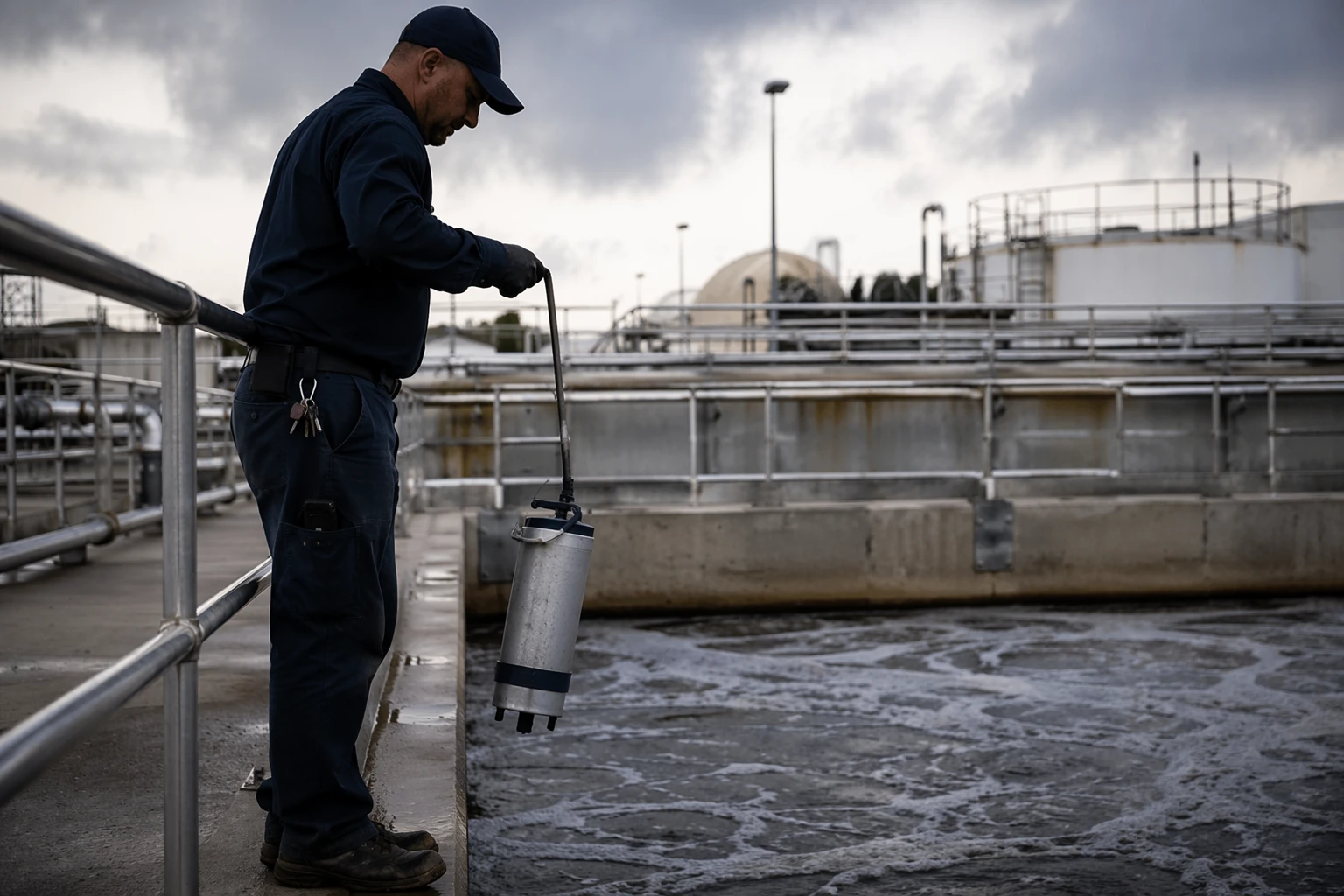
Public-health researchers have used wastewater epidemiology for years, and CDC-linked research says wastewater-based opioid mapping can help target policies and programs geographically, monitor interventions over time and tailor harm-reduction outreach. In North Carolina, a CDC pilot study collected wastewater samples from June to November 2018 to map opioid exposure within cities. Other studies collected influent samples over three months in 2019 at two treatment plants serving a small urban community and a rural community, showing how the method can compare different places without naming individuals.
The appeal has widened beyond opioids. Researchers say wastewater methods can detect emerging illicit drug clusters, including fentanyl analogues, methamphetamine and cocaine, and can even distinguish some legal from illicit drug patterns. In December 2023, Biobot Analytics said it had reached full enrollment in a National Institute on Drug Abuse-funded nationwide program for anonymous, population-level monitoring of drugs of use and misuse and overdose reversal agents. A recent Nature report said that pilot spans 76 sites across 41 states.

That broader reach is what has sharpened the privacy debate. Measuring a city’s wastewater is one thing; narrowing it to a school, a housing complex or a neighborhood raises new questions about who controls the data, how long it is kept and how easily it could be repurposed. Supporters see a faster, more precise early-warning system for overdose risk and drug supply shifts. Critics see the possibility of misunderstanding, stigma and surveillance aimed at communities that have never consented to be watched in this way.
Sources
- [1]nytimes.com
- [2]whitehouse.gov
- [3]cdc.gov
- [4]ncbi.nlm.nih.gov
- [5]biobot.io
- [6]nature.com