Business
White House Considers Defense Production Act in Spirit Airlines Deal
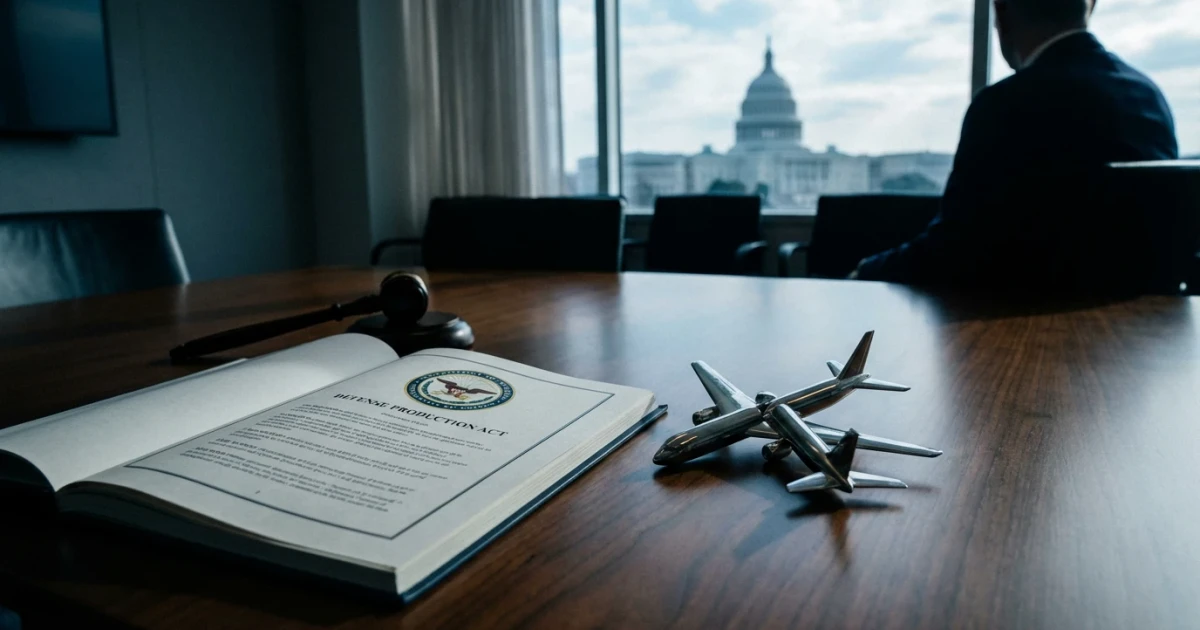
The White House is actively considering invoking the Defense Production Act (DPA) in the proposed takeover of Spirit Airlines, according to CBS News. The deliberation signals the administration’s willingness to use federal authority in a major airline industry transaction, an unusual step that could have far-reaching implications for competition, consumer choice, and the regulatory landscape.
Unprecedented Federal Intervention
The Defense Production Act of 1950 grants the president broad powers to prioritize and allocate resources, typically in times of national emergency. While the DPA is most often associated with military supply chains or pandemic response, its potential application in a commercial airline merger is rare. CBS News reports that the White House’s consideration stems from concerns about maintaining adequate air service and protecting consumer interests if the takeover leads to reduced competition.
Spirit Airlines: A Key Player in Low-Cost Travel
Spirit Airlines has built its reputation as an ultra-low-cost carrier, providing affordable travel options across the United States. Its potential acquisition has drawn significant attention due to Spirit’s role in driving down fares and increasing route availability, especially for cost-conscious travelers.
- Spirit consistently ranks among the lowest in average fares, according to airline consumer protection reports from the U.S. Department of Transportation.
- Data from the Bureau of Transportation Statistics shows Spirit serving dozens of domestic and international destinations, often in direct competition with legacy carriers.
Regulatory and Market Implications
The possibility of using the DPA in a commercial merger raises questions about the scope of federal intervention in the airline industry. Historically, mergers and acquisitions in the sector have been reviewed under antitrust laws, with the Department of Justice (DOJ) playing a leading role. The DOJ has previously taken action to block or reshape airline deals that threaten competition, as seen in recent high-profile cases detailed in official DOJ press releases.
Industry analysts note that the use of the DPA could set a new precedent, potentially accelerating or redirecting the review process. However, some experts caution that invoking the DPA in this context could face legal challenges and significant political scrutiny.
Consumer and Industry Reactions
Consumer advocates and airline industry stakeholders are closely watching the White House’s deliberations. Spirit’s reputation for low fares and high route frequency has made it popular among budget travelers, and any consolidation could impact ticket prices and service levels. At the same time, the airline’s operational challenges and financial performance—detailed in SEC filings—raise questions about its long-term stability as an independent carrier.
Looking Ahead
As the White House weighs its options, the potential use of the Defense Production Act in the Spirit Airlines takeover underscores the evolving relationship between federal policy and the airline industry. Whether the administration moves forward with this unprecedented step remains to be seen, but the outcome could influence future mergers, competition, and consumer protections across the aviation sector.