Politics
White House considers movable fencing to close Pennsylvania Avenue access

The White House is considering movable fencing that would let the Secret Service and White House staff open and close sections near Pennsylvania Avenue NW, with the barriers placed where the avenue intersects 15th Street NW and 17th Street NW. In practice, that would give federal officials a way to shut pedestrian access in front of the White House when security concerns rise, while keeping the option to reopen the space when the threat level eases.
White House officials said any project that moves forward would still go through the required review process. The proposal lands in a larger debate over how much of the White House perimeter should remain open to the public and how much should be hardened into a controlled security zone, a question that has sharpened since the Jan. 6 attack and the broader tightening of federal protection around symbolic sites in Washington.
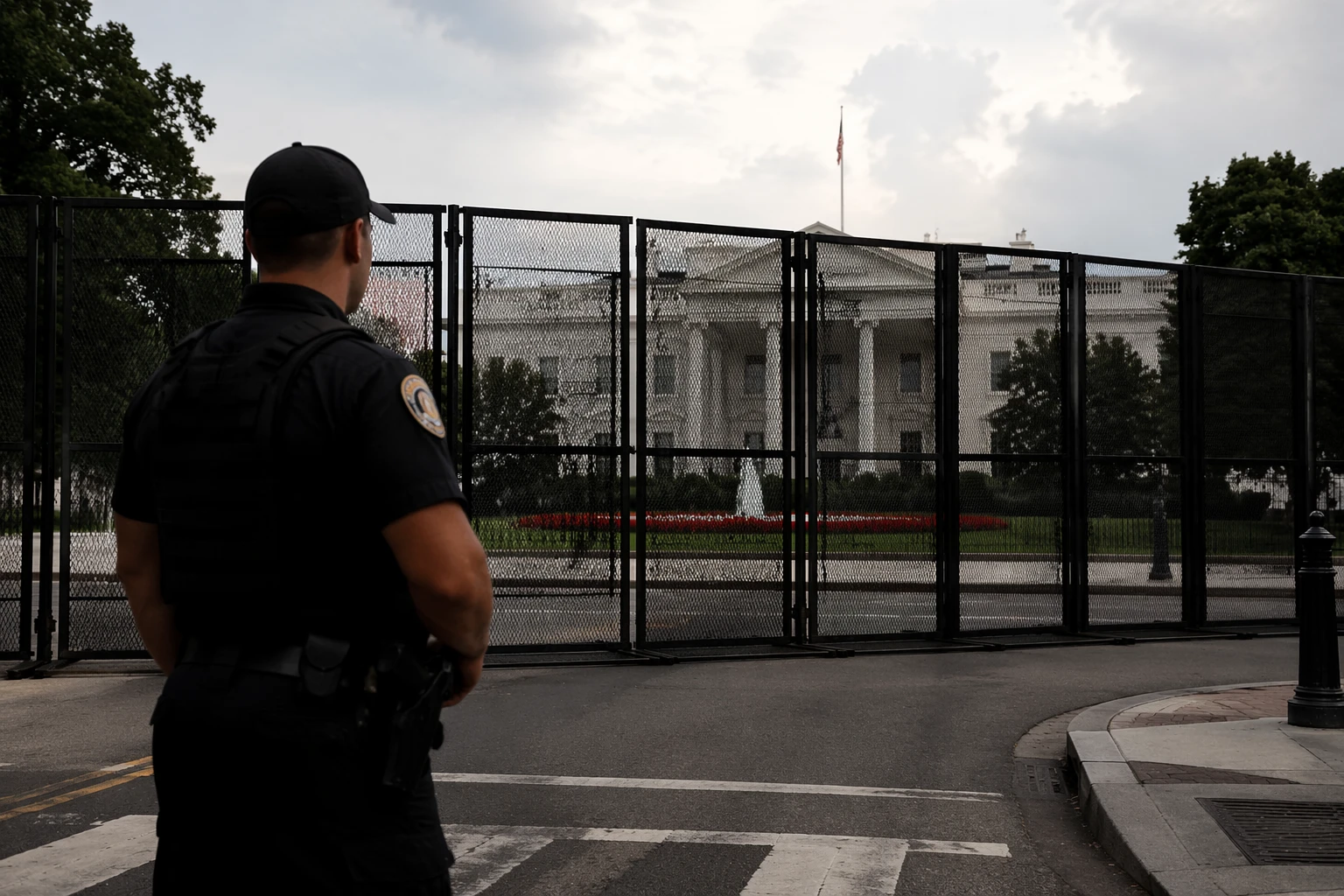
The move would also affect Lafayette Square, the seven-acre public park directly north of the White House and across Pennsylvania Avenue. The National Park Service says the park has long served as a gathering place for political protests and celebrations, and that the land beneath it has held many roles over time, including a race track, a showplace for caged animals, a graveyard, a slave market and a soldiers’ encampment. Today, the U.S. Park Police facilitate hundreds of First Amendment demonstrations and special events each year on federal parkland in Washington, including at Lafayette Square.
This is not the first time the White House grounds have been fortified. The National Park Service says construction on a new White House fence began in July 2019, using more than 3,500 feet of steel fencing in eight phases across the 18-acre White House complex. The agency said it and the Secret Service have worked together since 2014 to design a barrier that would keep the White House and grounds as accessible as possible while also protecting the president and the residence. A permanent fence around Lafayette Square would push that balance further toward security and away from open passage through one of the capital’s most recognizable civic spaces.
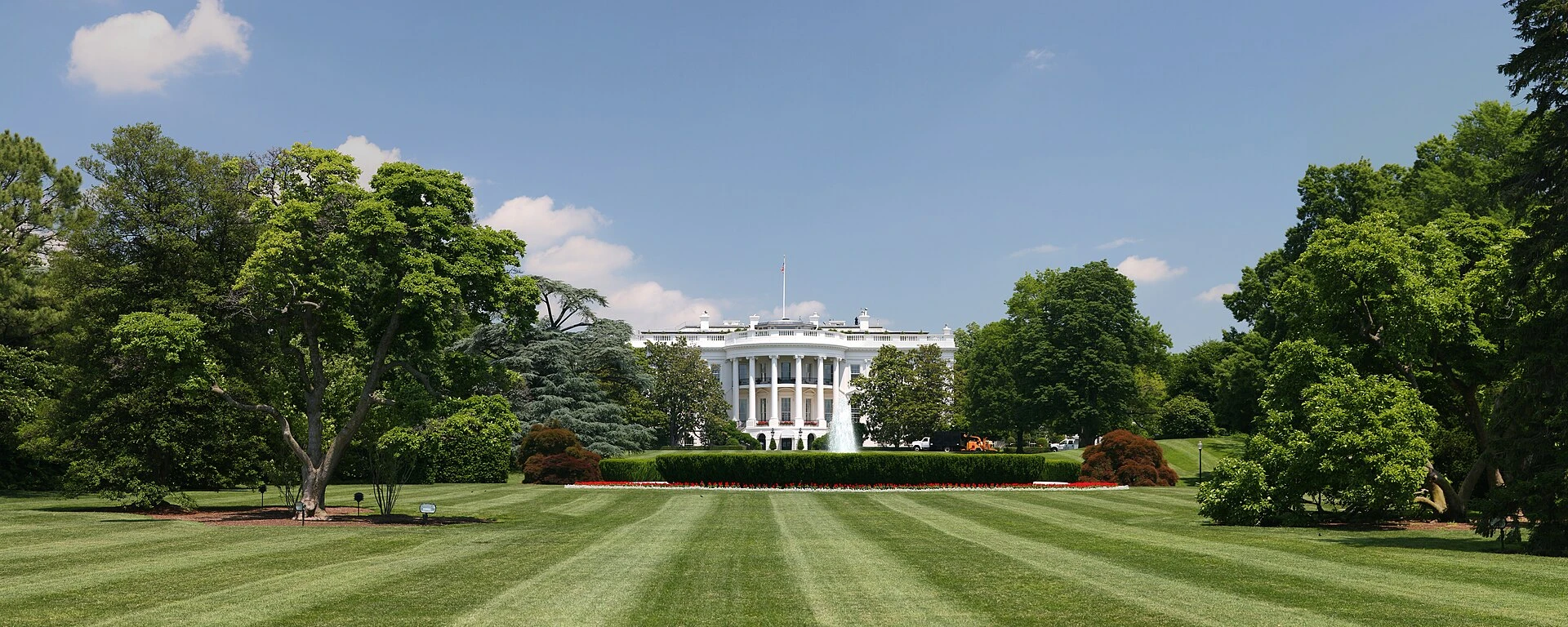
Rep. Eleanor Holmes Norton, D-D.C., said she plans to introduce legislation to prohibit permanent fencing at Lafayette Square. Her office framed the square’s historic role as a public space as central to open democracy, setting up a direct clash over whether the capital’s most symbolic front yard should remain porous or become more heavily controlled.
Sources
- [1]cbsnews.com
- [2]washingtonpost.com
- [3]nps.gov
- [4]whitehousehistory.org
- [5]norton.house.gov
- [6]doi.gov