US News
White House Correspondents’ Dinner Rescheduled Amid Heightened Security
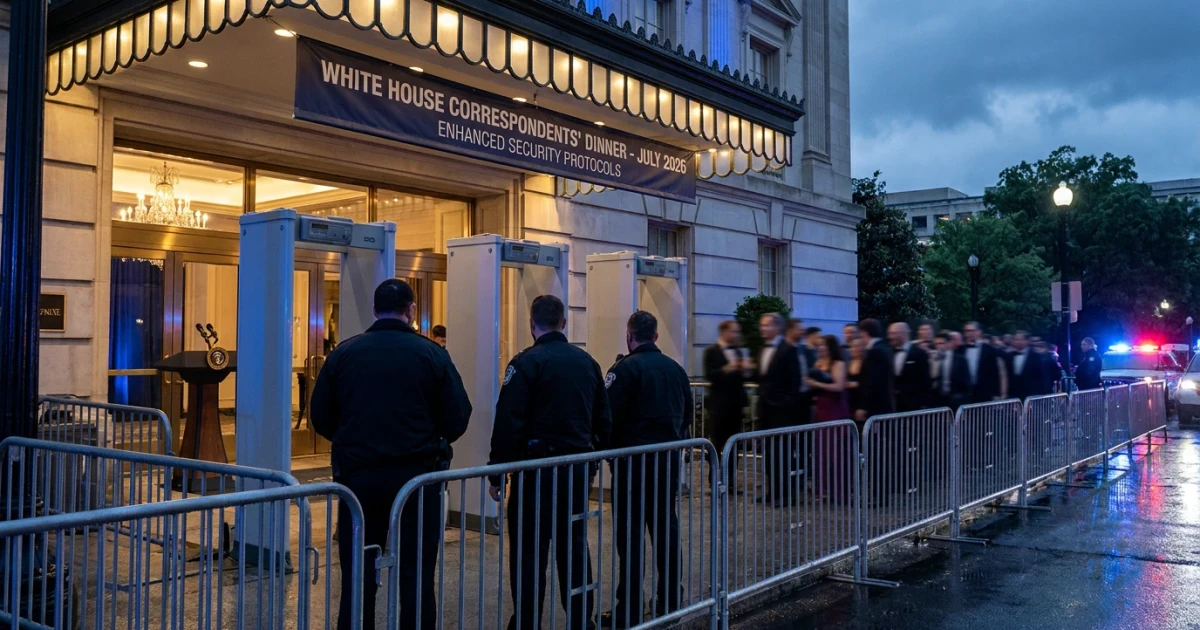
The White House Correspondents’ Dinner is set for a rare second act this summer, following an unprecedented disruption caused by an attempted assassination earlier this year. The event, which traditionally brings together journalists, government officials, and celebrities, has been rescheduled for July with a promise of enhanced security measures, according to reporting from The Washington Post.
Security Response and Event Rescheduling
The attempted assassination, which interrupted the annual dinner, has prompted White House officials and the White House Correspondents’ Association to take unprecedented steps in ensuring the safety of all participants. While details of the incident remain under official review, the decision to reschedule the dinner for July marks a significant departure from its usual springtime slot.
- Event rescheduled for July following security concerns
- Enhanced security protocols to be implemented
- Focus on maintaining tradition while prioritizing safety
In response to the attempted assassination, federal agencies have announced that the July event will feature advanced security measures. According to U.S. Secret Service protective mission statistics, security procedures at high-profile gatherings have evolved substantially, particularly in the wake of threats against government officials. These enhancements are expected to include increased screening, greater coordination with law enforcement, and tighter access controls.
Historical Context and Security Measures
The White House Correspondents’ Dinner has rarely been interrupted in its century-long history. The last major security scare at a White House event of this magnitude occurred decades ago, underscoring the gravity of this year’s disruption. According to History.com, assassination attempts on U.S. presidents and high-profile officials have often led to sweeping changes in event security, with lasting impacts on protocol and public perception.
A Government Accountability Office report on federal protective services emphasizes the complexity of safeguarding large gatherings, noting the importance of layered defenses and real-time threat assessment. The July dinner is expected to incorporate many of these recommendations, reflecting lessons learned from past incidents.
Emergency Preparedness
Public health and emergency preparedness are also playing a role in the rescheduled event. The Centers for Disease Control and Prevention outlines emergency protocols for White House events, including rapid evacuation plans and medical response teams. This collaboration is intended to ensure that the dinner proceeds safely, even in the face of unforeseen challenges.
Looking Ahead: Tradition and Safety
Despite the disruption, organizers remain committed to preserving the spirit and purpose of the White House Correspondents’ Dinner. The event’s rescheduling and enhanced security reflect a broader trend in the handling of political and media gatherings, where safety concerns increasingly shape tradition.
While details of the attempted assassination and the new security measures are still emerging, the July dinner is expected to serve as both a celebration of press freedom and a testament to resilience. For readers interested in the evolution of security at national events, the Pew Research Center’s political event datasets offer further insights into public opinion and procedural changes.
As the White House Correspondents’ Dinner returns for its second act, the balance between tradition and safety will be closely watched—not only by attendees, but by the nation at large.