Politics
White House debated declassifying details for Trump’s election speech
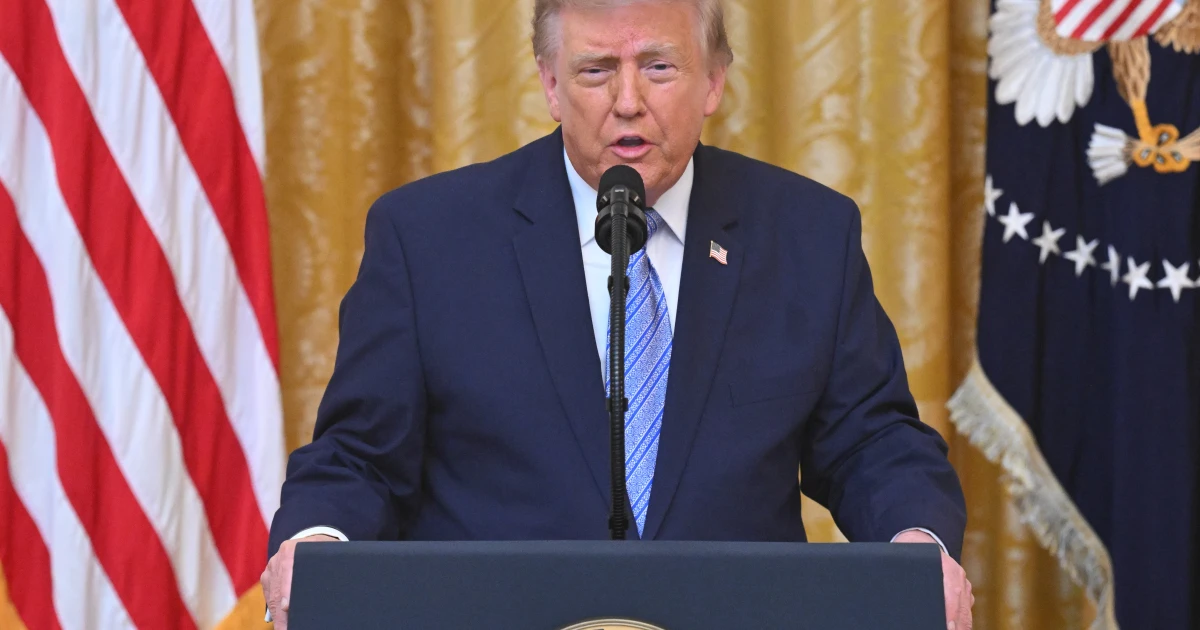
The White House debated how far to go in declassifying material for Donald Trump’s July 16 primetime election address, with advisers warning that naming people tied to an alleged fraud cover-up could fuel conspiracy theories and put them at risk. The internal fight exposed how closely the administration was balancing political messaging, legal exposure and the credibility of the institutions involved.
Trump went ahead with the speech after the White House promoted it on an election-integrity page, and he used the address to revive his long-discredited claim that the 2020 election was stolen. He also alleged that China interfered in the contest, even though the documents he released did not back up his most aggressive fraud claims.
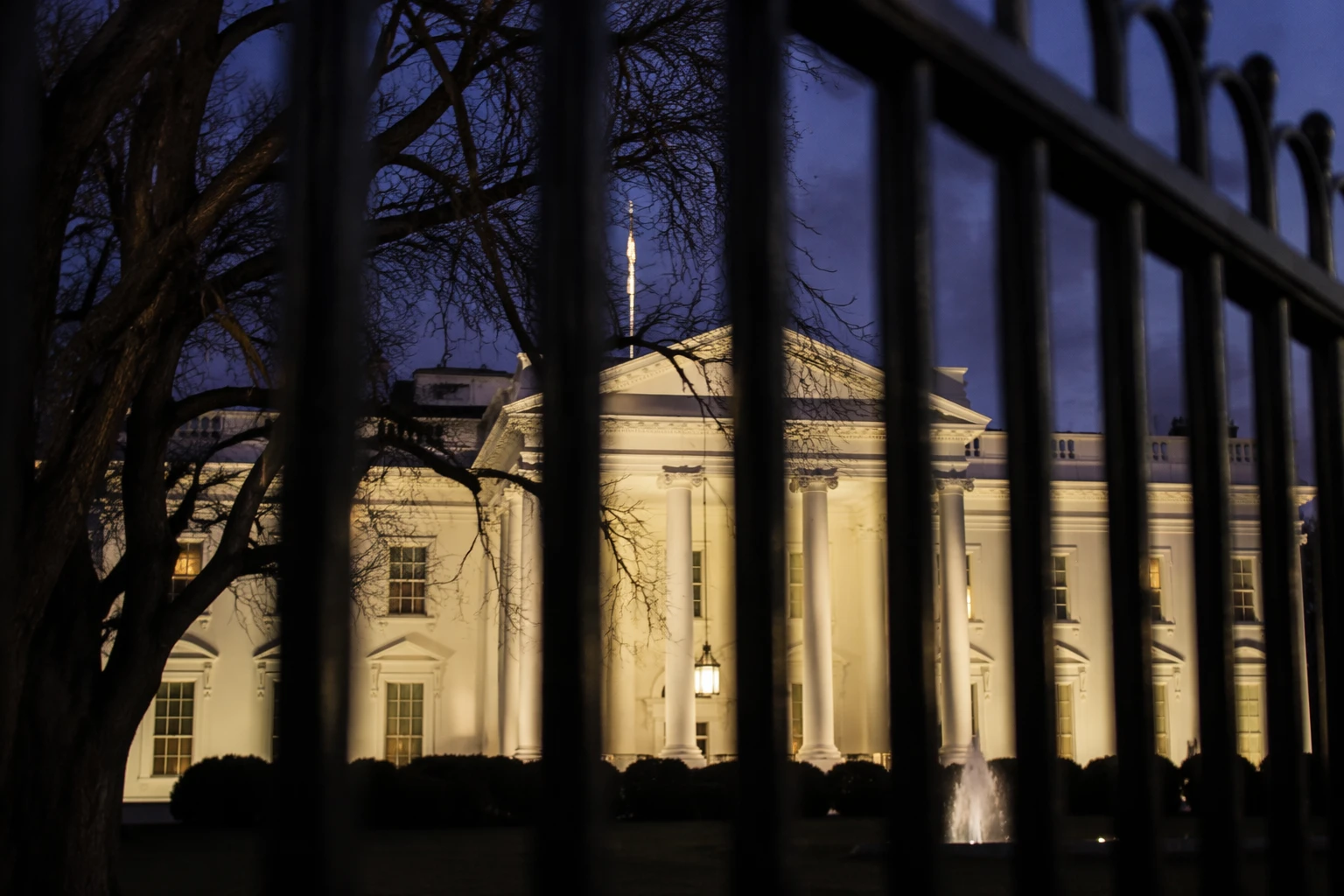
The administration framed the address around material Trump had recently received from the Office of the Director of National Intelligence. But the public record moved in the opposite direction: a 2021 U.S. intelligence assessment concluded with high confidence that China did not try to interfere with or influence the outcome of the 2020 election. CBS News said Trump criticized the U.S. election system without offering evidence, and AP News said the declassified material did not substantiate the strongest claims Trump attached to it.

That gap mattered inside the White House before the speech. CNN described advisers debating how much to declassify and reveal, and the concern was not only political blowback but the possibility that releasing names or details could intensify harassment from conspiracy theorists. Politico’s account said aides warned Bill Pulte that identifying individuals linked to an alleged election-fraud cover-up could make them targets.
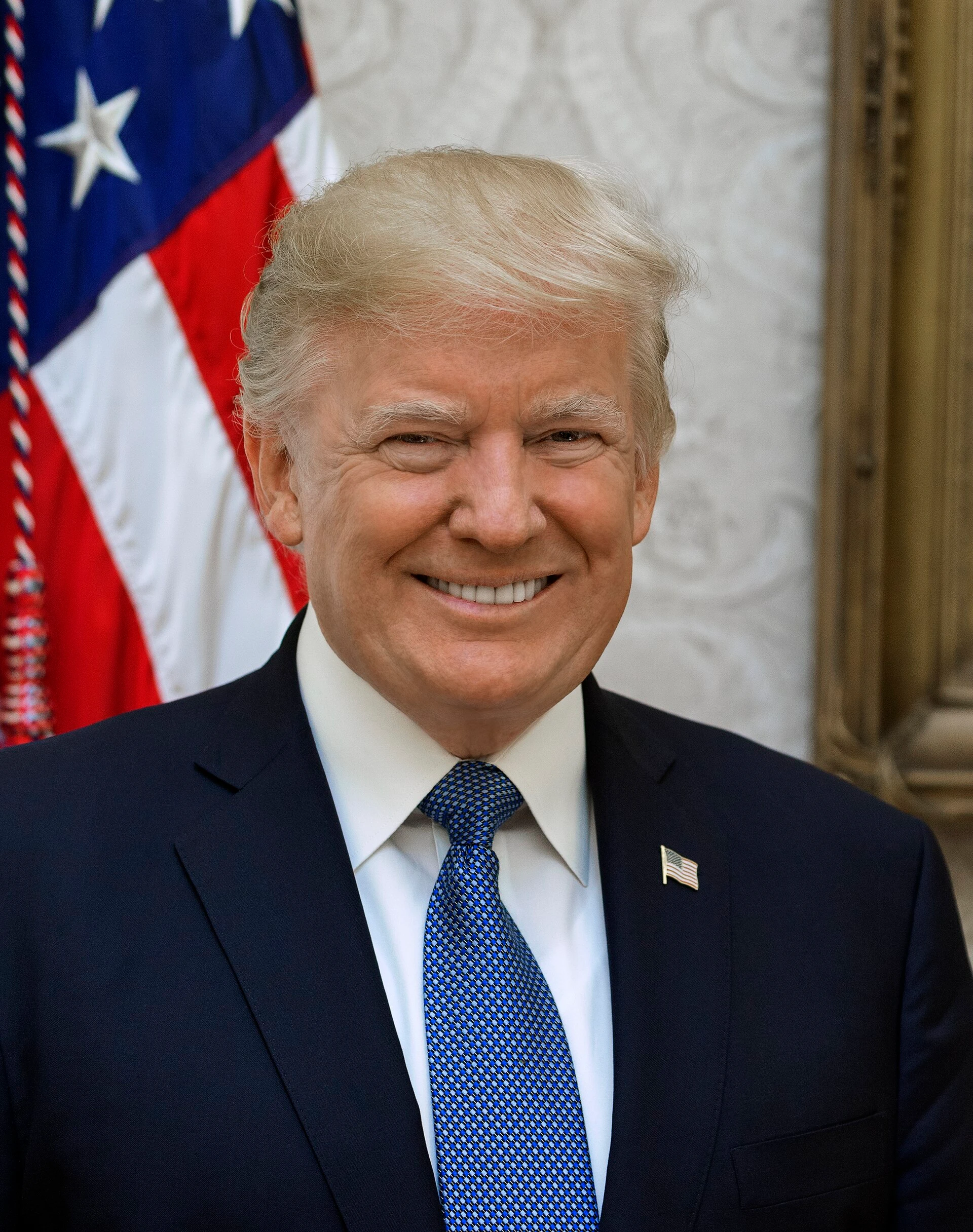
Trump’s address fit a larger pattern that has defined his post-2020 political project. He has repeatedly pushed false claims that the election was fraudulent, and the July 16 speech tied that narrative to new claims of foreign interference and election-security failures. Democrats quickly cast the remarks as both a repetition of false claims and a warning sign of future attacks on election trust, while the White House kept its election-integrity push at the center of the rollout.
Sources
- [1]news.google.com
- [2]politico.com
- [3]abcnews.go.com
- [4]cbsnews.com
- [5]cnn.com
- [6]whitehouse.gov
- [7]nbcnews.com
- [8]youtube.com
- [9]thehill.com