Politics
White House debated suspending habeas corpus in immigration crackdown

Secret memos inside the White House showed officials weighing whether to suspend habeas corpus for undocumented immigrants, a step that would have cut off one of the most basic checks on executive detention. The fight went far beyond immigration policy. It reached the Constitution’s Suspension Clause, which says the privilege of habeas corpus may be suspended only in cases of rebellion or invasion when public safety requires it.
Habeas corpus is the writ that lets a detained person force the government to justify the legality of confinement in court. On May 9, 2025, Stephen Miller said the Trump administration was “actively looking at” suspending it, and tied the idea to whether “the courts do the right thing or not.” That made the internal debate as much about judicial resistance as about immigration enforcement, with the White House measuring how far it could push before judges stopped it.
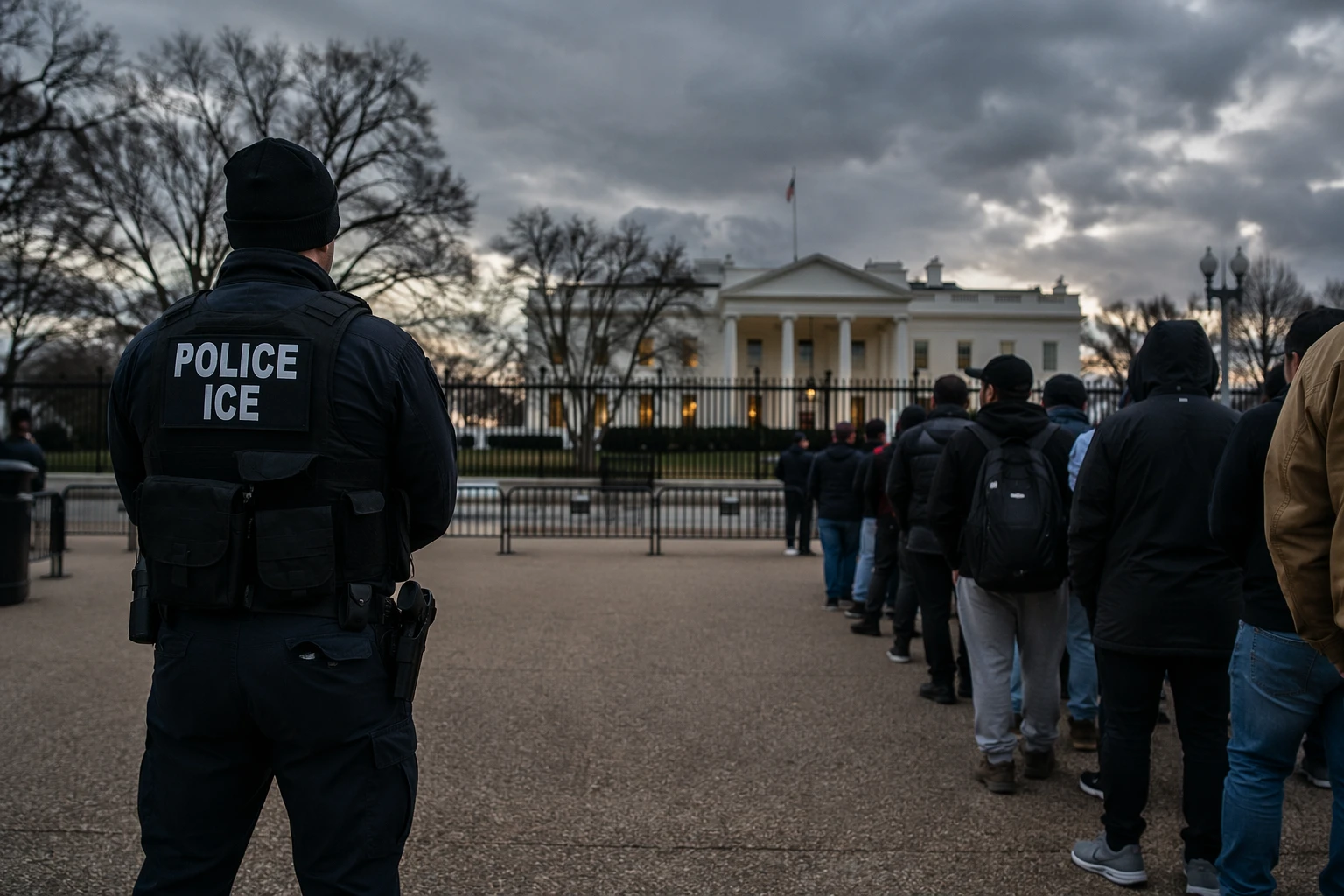
Legal scholars said Congress, not the president alone, has the power to suspend the writ. They also argued that the Constitution’s narrow exception for “rebellion or invasion” does not fit ordinary unauthorized migration. The administration, however, had already leaned on the idea that the country faced an “invasion” of undocumented immigrants, a framing that gave the proposal its constitutional edge and its political volatility.
Any move to suspend habeas corpus would have been a historic escalation. Abraham Lincoln suspended the writ during the Civil War, and Congress later passed the Habeas Corpus Suspension Act in 1863. The National Constitution Center says there have been only four historical instances of suspension in U.S. history. That is the legal backdrop now hanging over a modern immigration crackdown that would place the presidency in direct conflict with a core safeguard against arbitrary detention.

The clash unfolded while immigration cases were already moving through the courts. In April 2025, the Supreme Court required that some detainees be allowed to bring claims through habeas petitions in the district where they were held. On January 21, 2025, the Department of Homeland Security said it would carry out expedited removal “to the fullest extent authorized by Congress,” signaling how aggressively the administration wanted to speed deportations and detention. By 2026, immigrant detention habeas petitions had reached historic highs, a sign that any effort to narrow the writ would reverberate through an already crowded legal system.