Politics
White House declassifies FBI probe into Trump as possible Russian asset
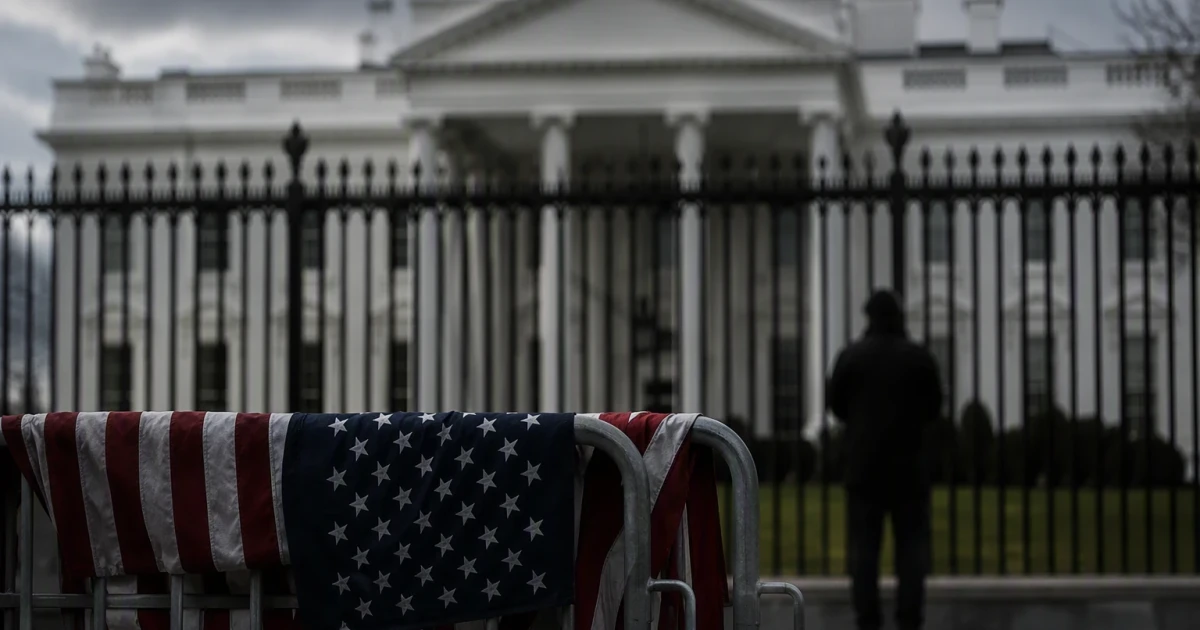
The White House on Wednesday declassified material claiming the FBI opened an investigation into whether President Donald Trump was acting as a Russian asset when he fired FBI Director James Comey. An administration official said the theory was not backed up by evidence, a distinction that now sits at the center of the fight over what the documents prove and what remains political interpretation.
The newly released material says the investigation was launched in the immediate aftermath of Comey’s May 9, 2017, firing. The probe later was identified by the codename “Oxferd Comma,” adding a rare example of the government’s use of declassification power to expose an internal counterintelligence judgment tied to a presidential dismissal.
Comey’s firing was already one of the defining flashpoints of the Trump-Russia era. The FBI had opened Crossfire Hurricane in July 2016, after suspecting Moscow of orchestrating a campaign to interfere in the election. That investigation became the backdrop for the wider debate over whether law enforcement was following evidence where it led or pursuing a case against the president with political motives.
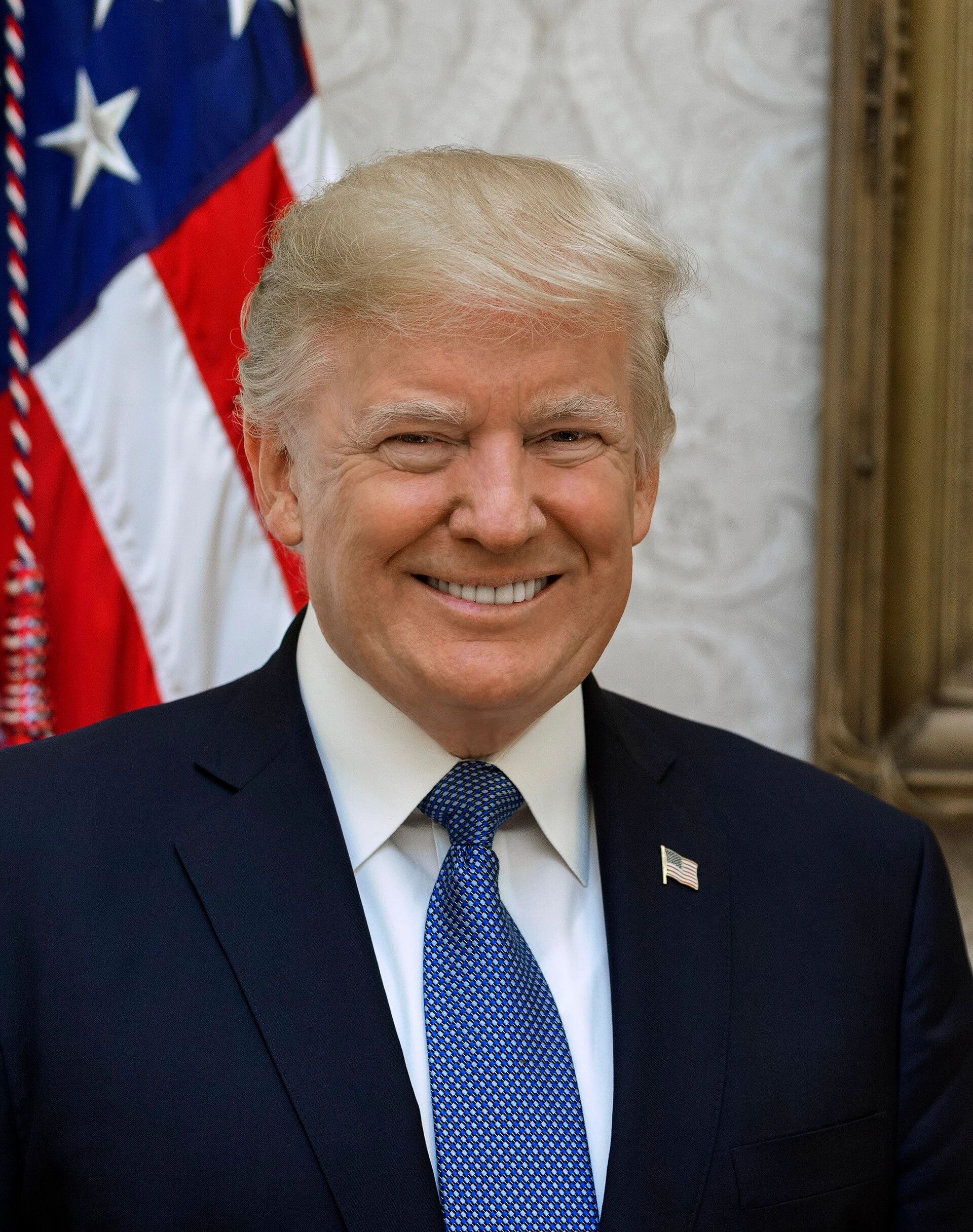
Rod Rosenstein appointed Robert Mueller special counsel in May 2017, weeks after Comey was removed. Mueller’s appointment widened the federal inquiry and hardened the partisan split over the FBI’s handling of Russian interference and Trump-Russia contacts. In December 2019, Justice Department Inspector General Michael E. Horowitz issued a report on Crossfire Hurricane and testified before the Senate Judiciary Committee on December 11, 2019, adding another official review to a case that had already absorbed Congress, the Justice Department and the White House.
The declassified material does not end those arguments. It does show that the FBI examined a theory tying Trump’s firing of Comey to a possible Russian-asset inquiry, and it shows that the review began almost immediately after the dismissal. What it does not resolve is whether that theory was supported by evidence or whether the episode reflected the same institutional failures, suspicions and political fractures that have surrounded the Russia investigation since 2016.
Sources
- [1]cbsnews.com
- [2]justthenews.com
- [3]projects.voanews.com
- [4]justice.gov
- [5]oig.justice.gov
- [6]npr.org