Politics
White House documents on China claims highlight Russian election interference
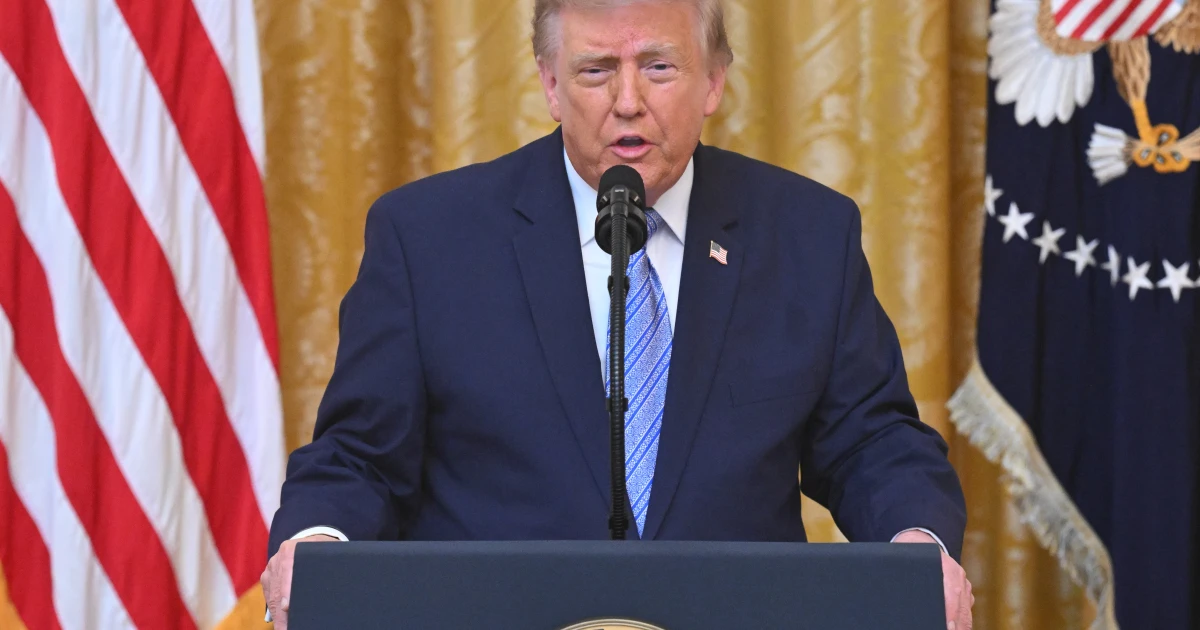
The White House released intelligence documents after Donald Trump used a July 16 primetime address from the East Room to accuse China of interfering in the 2020 election. The papers were meant to bolster his warning about “shocking vulnerabilities” in American voting systems, but the material instead highlighted Russia’s long-running efforts to influence U.S. elections.
Trump said China had obtained 220 million U.S. voter files and called it the “largest compromise of election data in history.” Fact-checkers at Reuters, BBC, PBS News, CNN, AP and FactCheck.org said the claims were misleading, baseless or long-debunked, and the documents did not show China changed votes or altered election results. China denied the allegations.
The released material sat awkwardly beside a 2020 FBI and CISA bulletin that said much U.S. voter information is publicly available and that cyber actors obtaining voter data did not affect voting results. That distinction matters because the Trump claim hinged on possession of records, not proof of election manipulation. Public voter rolls can be broad and accessible; access alone does not establish that ballots were changed or that outcomes were compromised.
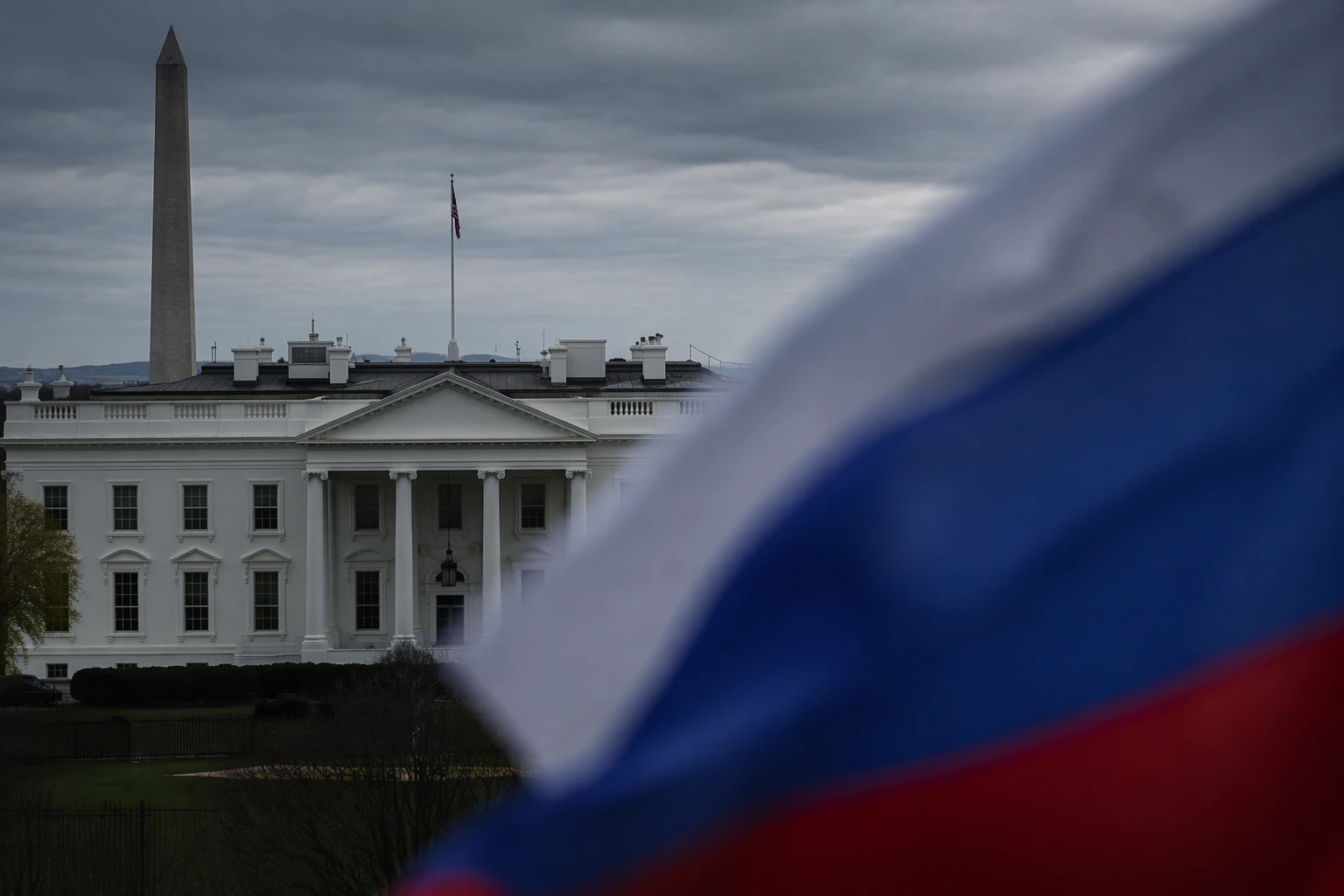
The deeper contradiction came from the intelligence itself. A declassified Intelligence Community Assessment on the 2020 U.S. federal elections, prepared by the National Intelligence Council with participation from the CIA, DHS, FBI, INR, Treasury and the NSA, said Russia was the primary foreign threat. That assessment fits a much larger record, including Special Counsel Robert S. Mueller III’s report on Russian interference in the 2016 presidential election and the FBI’s public case file on the 2016 operation.
Instead of undercutting that history, the White House release reinforced it. The documents pushed out to support the China claims kept drawing attention back to Russia, the foreign power U.S. intelligence and law-enforcement agencies have repeatedly identified as the most aggressive election meddler. The administration paired the declassification push with election-integrity messaging and legislation such as the SAVE Act and SAVE America Act, turning the release into part of a broader political fight over voting rules ahead of the midterm elections.

The mismatch between the rhetoric and the evidence left the administration arguing about China while the record pointed back to Russian interference that is documented, declassified and repeatedly cited across federal agencies.
Sources
- [1]nytimes.com
- [2]reuters.com
- [3]cnn.com
- [4]bbc.com
- [5]pbs.org
- [6]factcheck.org
- [7]apnews.com
- [8]dni.gov
- [9]justice.gov
- [10]fbi.gov