Technology
White House expands AI pledge to shield electricity customers from higher bills
The White House widened its voluntary AI power-cost pledge to bring in governors and utilities, aiming to keep data-center buildouts from showing up on ordinary electricity bills. The bigger test is whether the promise has any force without enforcement, or whether it mainly signals concern while households still face higher rates.
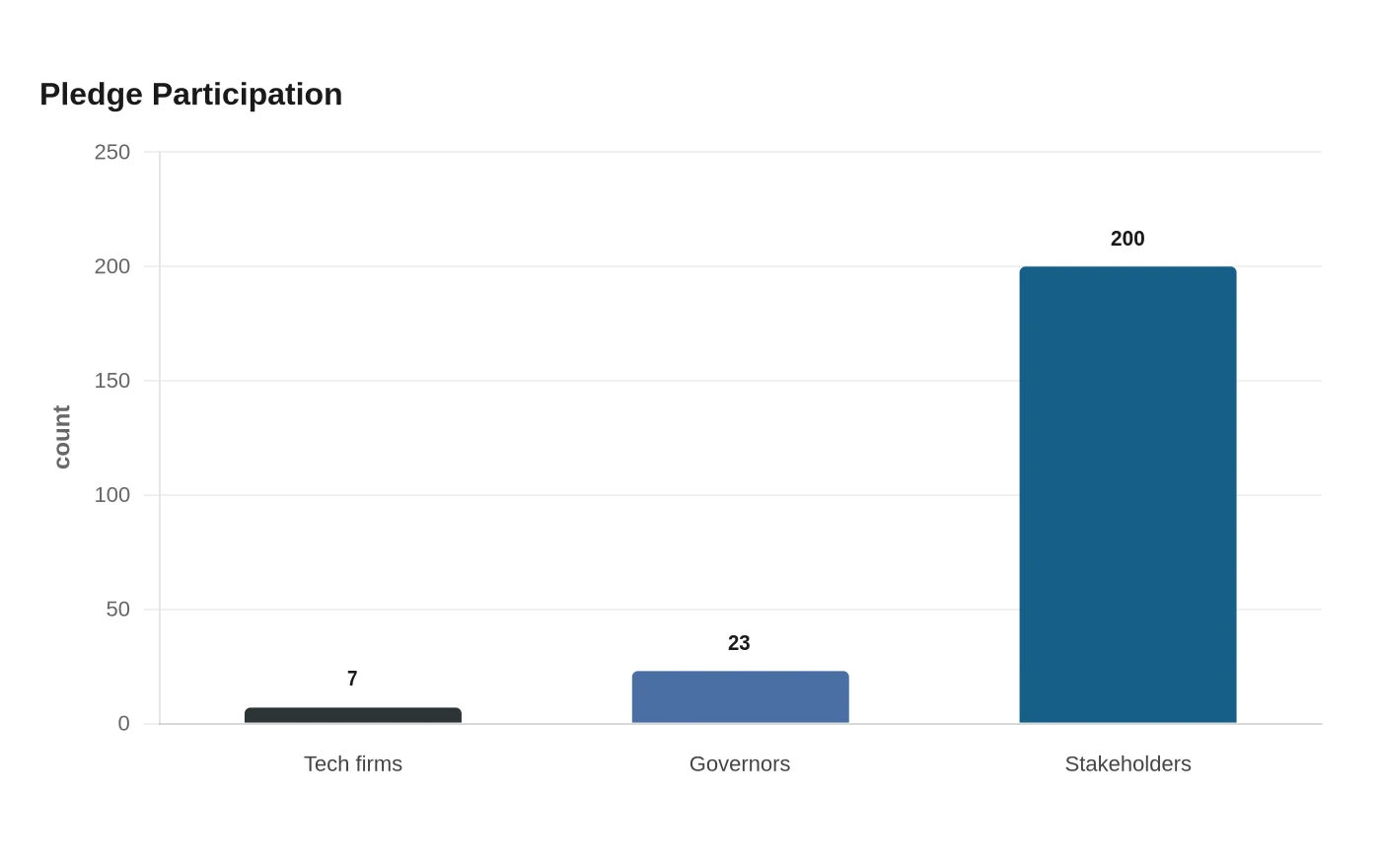
Donald Trump first rolled out the Ratepayer Protection Pledge on March 4 with seven major technology companies. The White House said those companies agreed to cover the full cost of power generation and grid upgrades tied to their data centers rather than shifting those costs to ratepayers, and the pledge was published in the Federal Register on March 9. By July 23, 23 governors had signed on, all Republicans, and later counts put participation at nearly 200 stakeholders, including utilities, data center developers, public power utilities and electric cooperatives. Among the utilities expected to join were NextEra and Duke Energy.
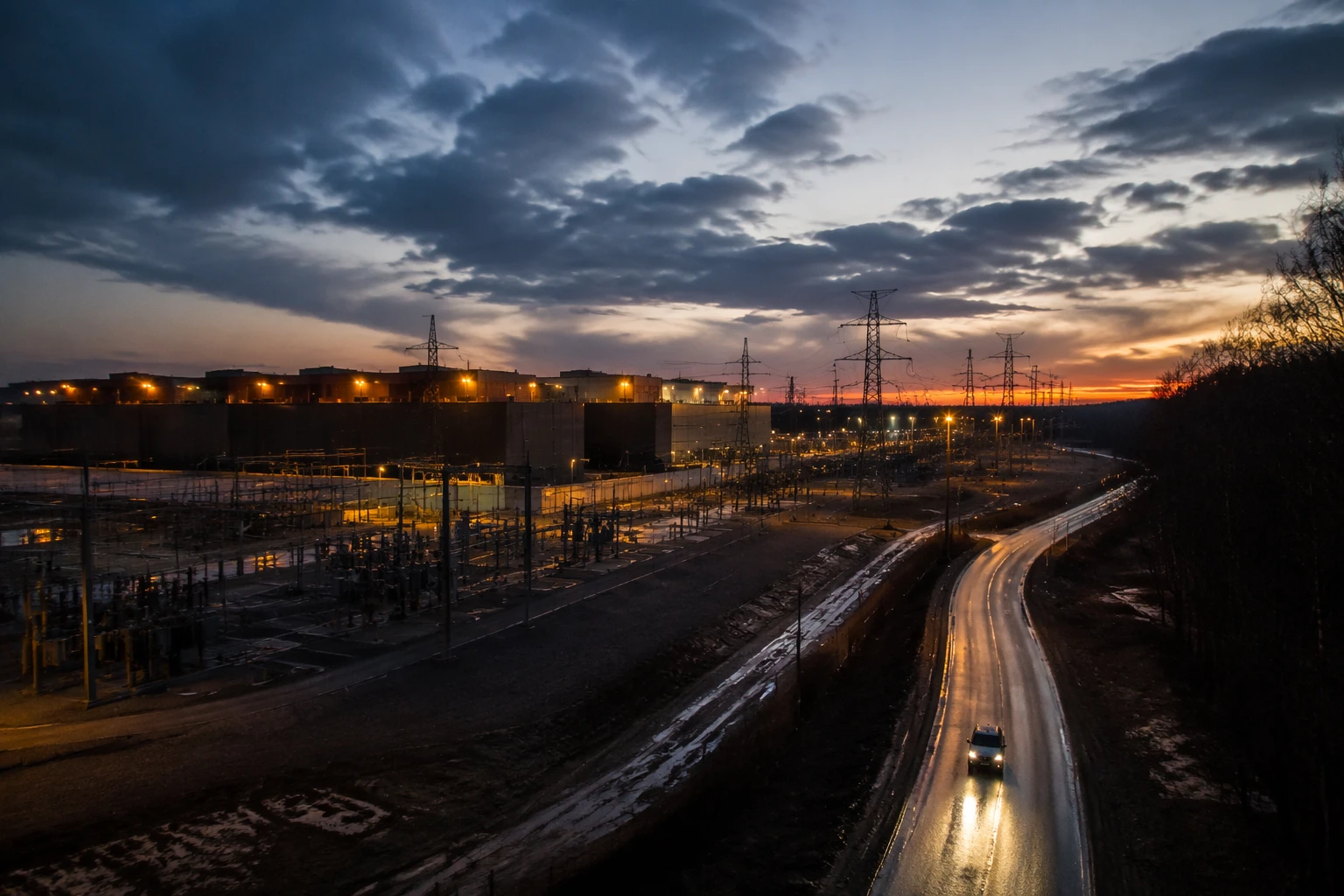
The policy fight is about more than a pledge. Data centers draw huge amounts of electricity to train and run AI models, cloud services and related digital infrastructure, and the question of who pays for new transmission lines, generation capacity and other grid upgrades has become a bitter dispute among utilities, state regulators, tech companies and lawmakers. Brookings has said the pledge needs enforcement to have a meaningful effect, underscoring skepticism that voluntary commitments alone will stop utilities from spreading AI-related costs across ratepayers.
That skepticism is already shaping state politics. In California, SB 978 would require the California Public Utilities Commission to create a special rate structure for large energy users with capacities of at least 75 megawatts. In South Carolina, lawmakers have debated guardrails meant to protect ratepayers and water resources. State legislatures introduced more than 200 bills on data center issues across 22 states in 2025, a sign that the bill-payer question is moving well beyond Washington.
The White House is also treating the effort as consumer protection heading into the midterm-election season. A future data center rising near Abernathy, Texas, in Hale County showed how quickly the build-out is taking physical shape, even as the policy question remains unresolved: whether the companies driving the AI boom will absorb the infrastructure costs themselves, or whether those costs will keep leaking into household utility bills.
Sources
- [1]apnews.com
- [2]reuters.com
- [3]usatoday.com
- [4]thehill.com
- [5]whitehouse.gov
- [6]federalregister.gov
- [7]publicpower.org
- [8]brookings.edu
- [9]wavy.com
- [10]wtoc.com
- [11]raponline.org