Technology
White House Faces Challenges in Shaping AI Policy
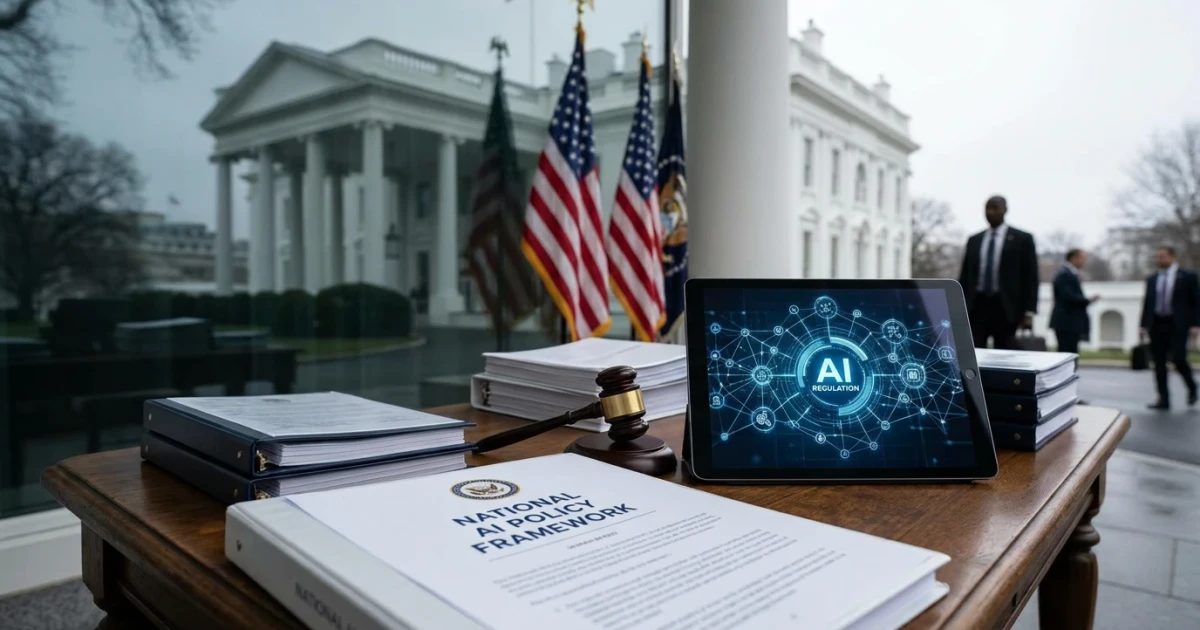
The White House is grappling with competing interests as it seeks to set national standards for artificial intelligence, amid growing pressure from both industry leaders and public advocates to clarify the direction of U.S. AI policy. The administration’s efforts reflect the complexities and urgency surrounding AI governance, as rapid technological advances outpace regulatory frameworks.
Balancing Innovation and Accountability
According to The Washington Post, the Biden administration is caught in a tug-of-war between fostering innovation and ensuring accountability. The White House has engaged with tech companies, civil society groups, and lawmakers to shape its approach. This ongoing dialogue underscores the challenges in crafting policies that encourage AI development while safeguarding against risks such as bias, privacy violations, and misuse.
- Industry advocates have called for flexible regulations that support research and competitiveness.
- Consumer and ethics groups urge more stringent controls to protect civil rights and prevent discrimination.
Key frameworks, such as the Blueprint for an AI Bill of Rights, outline principles for fairness, transparency, and privacy. Yet the White House faces hurdles in translating these ideals into enforceable policies, as stakeholders debate the scope and depth of potential rules.
Policy Proposals and Legislative Action
The administration’s focus includes working alongside agencies like the National Institute of Standards and Technology (NIST) to develop risk management standards for AI systems. The ongoing push for legislation, such as Senate Bill S.2714, aims to promote research, innovation, and accountability within AI development. However, the process remains contentious, with differing perspectives on how best to balance economic growth with regulatory oversight.
While some lawmakers advocate for comprehensive federal regulations, others prefer a more decentralized approach, allowing states to establish their own rules. This has led to a patchwork of state and federal AI regulations, adding to the complexity of national policymaking.
Implications for the Future of AI Governance
The White House’s deliberations are likely to influence not only domestic AI policy but also global standards, as other governments monitor U.S. actions closely. As AI technologies become more integrated into daily life and the economy, the need for clear, effective policies grows more urgent. The administration’s challenge is to strike a balance that supports innovation while protecting public interests.
Moving forward, experts anticipate ongoing negotiations and revisions to proposed frameworks. As The Washington Post observed, the outcome of this policy tug-of-war will shape how Americans interact with AI and how the nation positions itself within the global tech landscape.