Politics
White House Faces Political Hurdles on War-Funding Bill
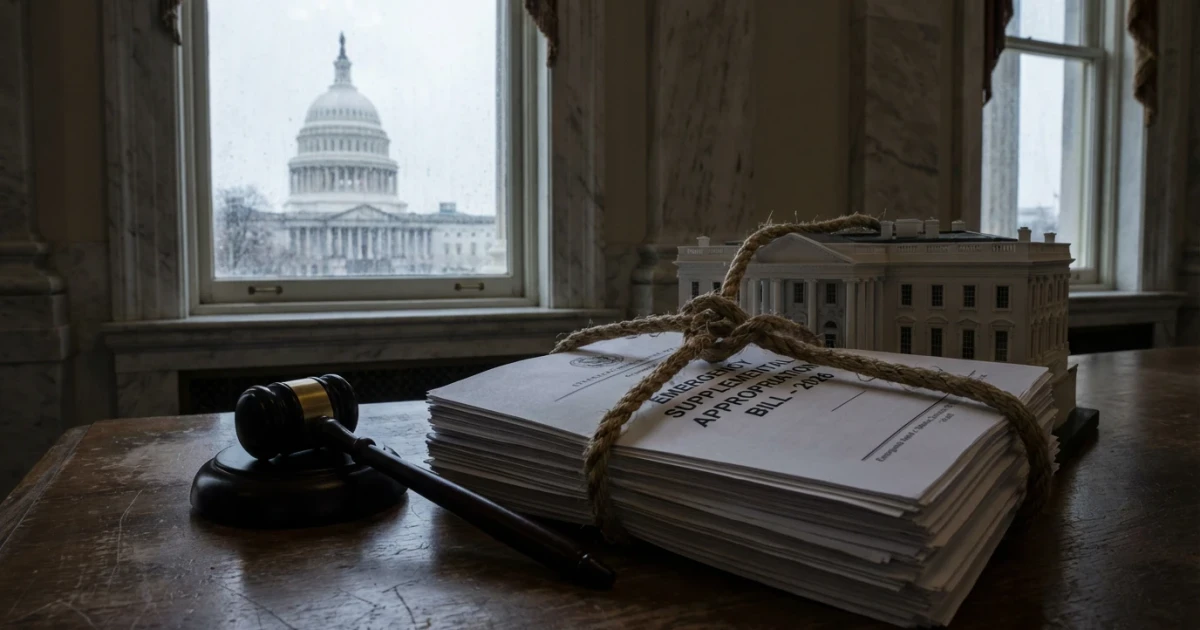
The Biden administration’s campaign to secure emergency war funding is encountering resistance on Capitol Hill as lawmakers weigh election-year politics against national security priorities. With the midterm elections looming, the White House’s efforts to advance its Emergency National Security Supplemental Appropriations Act, 2024 are running up against a deeply divided Congress, where partisan interests and political calculations are shaping the fate of the legislation.
Midterm Elections Complicate the Legislative Landscape
The White House has been emphasizing the urgency of passing the supplemental war-funding bill, arguing that it is vital for supporting U.S. allies and maintaining global security commitments. However, as Politico reports, the timing of the request has injected it directly into the heated atmosphere of midterm politics. Lawmakers from both parties are weighing their support for the measure against the potential risks and rewards for their own electoral prospects.
- Many Democrats are cautious about appearing too hawkish or risking backlash from anti-war segments of their base.
- Republicans are split between national security hawks who back robust military aid and fiscal conservatives who raise concerns about government spending and accountability.
According to the House Appropriations Committee, the bill proposes tens of billions in funding for defense operations, aid to Ukraine and Israel, and replenishment of U.S. military stockpiles. The size and scope of the package have become a flashpoint in negotiations.
Balancing National Security and Political Risks
Supporters of the bill argue that failing to pass the supplemental could undermine U.S. credibility abroad and embolden adversaries. At the same time, the White House faces pressure from progressive lawmakers and constituents who question the necessity and oversight of such large outlays for war-related expenditures. The Congressional Budget Office has provided a cost estimate outlining the bill’s significant budgetary impact, which has become a key talking point for critics concerned about the national debt.
Midterm campaigns are amplifying these divisions, with attack ads and campaign messaging already highlighting lawmakers’ stances on military spending. Some incumbents in swing districts are attempting to strike a balance by supporting targeted aid while opposing broader funding measures.
Legislative Progress and Uncertain Prospects
The House roll call vote on the bill indicated a split along party lines, with a handful of crossovers but no overwhelming consensus. In the Senate, the most recent vote reflected similar divisions, showing the difficulty of forging a bipartisan agreement on national security funding in an election year.
As Politico highlights, the White House is continuing its outreach to moderate legislators and key committee chairs, hoping to thread the needle between competing pressures. But with both parties eyeing the impact of their votes on the November ballot, the timeline for final passage remains uncertain.
Looking Ahead
The ongoing debate underscores how deeply U.S. security assistance and war-funding decisions are shaped by political context as much as strategic imperatives. As Congress returns from recess, the fate of the emergency supplemental will likely hinge on lawmakers’ calculations of what voters want to see—and what risks they are willing to take on the campaign trail.
The outcome will not only determine immediate defense funding levels but also signal how Washington intends to balance domestic concerns with international responsibilities in a volatile geopolitical environment.