Technology
White House Issues Sweeping AI Executive Order
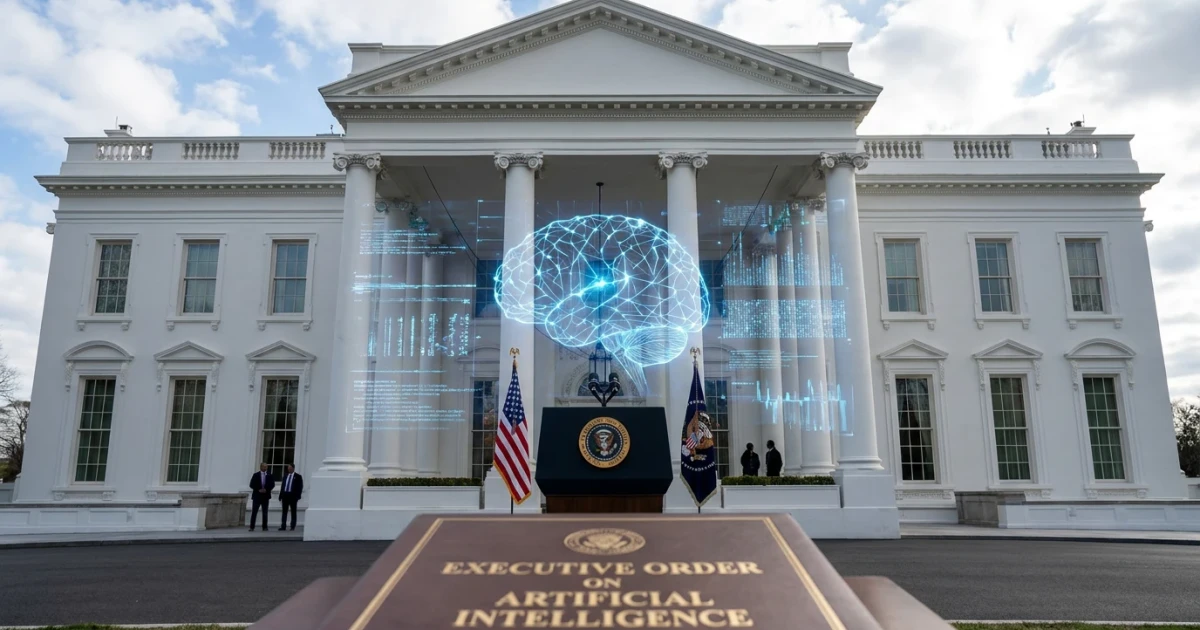
The Biden administration has announced a comprehensive executive order targeting the safe, secure, and trustworthy development and use of artificial intelligence (AI) in the United States, marking a pivotal step in federal technology policy. The new directive, which builds on previous actions and recommendations, is designed to bolster safeguards around AI deployment while encouraging innovation and international leadership in the field.
Key Provisions and Scope of the Order
The executive order, as highlighted by The Washington Post, introduces broad measures affecting federal agencies, technology providers, and research institutions. Its core tenets include:
- Risk Management: Agencies are required to adopt the NIST AI Risk Management Framework to assess and mitigate potential harms, such as bias, privacy violations, and national security concerns.
- Transparency and Accountability: The order mandates reporting and auditing requirements for federal use of AI, aiming to increase public trust and ensure systems are regularly reviewed for unintended consequences.
- Research and Standards: Federal investments will support the development of technical AI standards and benchmarks, with an emphasis on interoperability, robustness, and safety.
- International Cooperation: The policy encourages U.S. leadership in global AI governance, calling for alignment with international partners on best practices and ethical guidelines.
Impact on Federal Agencies and Industry
Federal agencies must implement robust oversight mechanisms, including regular testing and third-party evaluations of AI used in critical applications such as law enforcement, healthcare, and infrastructure. According to the Government Accountability Office, systematic reviews and accountability measures are vital for minimizing risks and maximizing the benefits of AI across government operations.
Private sector technology firms supplying AI to the government will face stricter contracting and compliance requirements, particularly around data privacy, algorithmic bias, and explainability. The order also encourages partnerships with academia and industry to foster responsible innovation and workforce development in AI-related fields.
Research, Investments, and Economic Implications
Federal funding for AI research and development is set to increase, supporting new initiatives in trustworthy AI, cybersecurity, and advanced computing. The administration’s approach aligns with recent trends showing rapid growth in AI investments and adoption rates, as documented in the Stanford AI Index Report.
- U.S. public and private AI investment reached record highs in the past two years, driven by advancements in generative AI and machine learning applications.
- Government-sponsored AI projects emphasize ethical frameworks, social impact, and inclusion, reflecting priorities outlined in the executive order.
Broader Context and Future Outlook
The executive order follows growing calls from policymakers, experts, and advocacy groups for stronger AI regulation and oversight. Previous frameworks, such as the 2023 White House AI executive order, laid much of the groundwork now being expanded.
Looking ahead, the effectiveness of these measures will depend on rigorous implementation, continued stakeholder engagement, and adaptability to emerging AI technologies. Ongoing congressional activity, such as the AI Advancement and Accountability Act, suggests federal AI policy will remain a dynamic area, balancing innovation with public interest protections.
The Biden administration’s latest order signals a firm commitment to shaping the future of AI governance, with the dual goals of protecting citizens and ensuring the United States remains at the forefront of global AI leadership.