Technology
White House plans pledge to shield households from AI power costs

The White House is preparing to bring utilities and data-center developers into a voluntary pledge aimed at keeping AI power costs off household electric bills. The move would extend an existing commitment that Amazon, Google, Meta, Microsoft, OpenAI, Oracle and xAI already signed in March. Governors from fast-growing AI states are expected to be part of the effort when the administration announces it in the coming weeks.
The original Ratepayer Protection Pledge, released on March 4, required companies to "build, bring, or buy" all the energy needed for their data centers, pay the full cost of energy and infrastructure, negotiate separate rate structures with utilities and state governments, and pay for power even if they do not fully use it. The next day, major AI and technology companies gathered at the White House to sign it. Amazon said it fully pays its data center energy costs, including new generation and grid upgrades. A White House official said the earlier pledge had been effective enough that "additional stakeholders" wanted to join it.
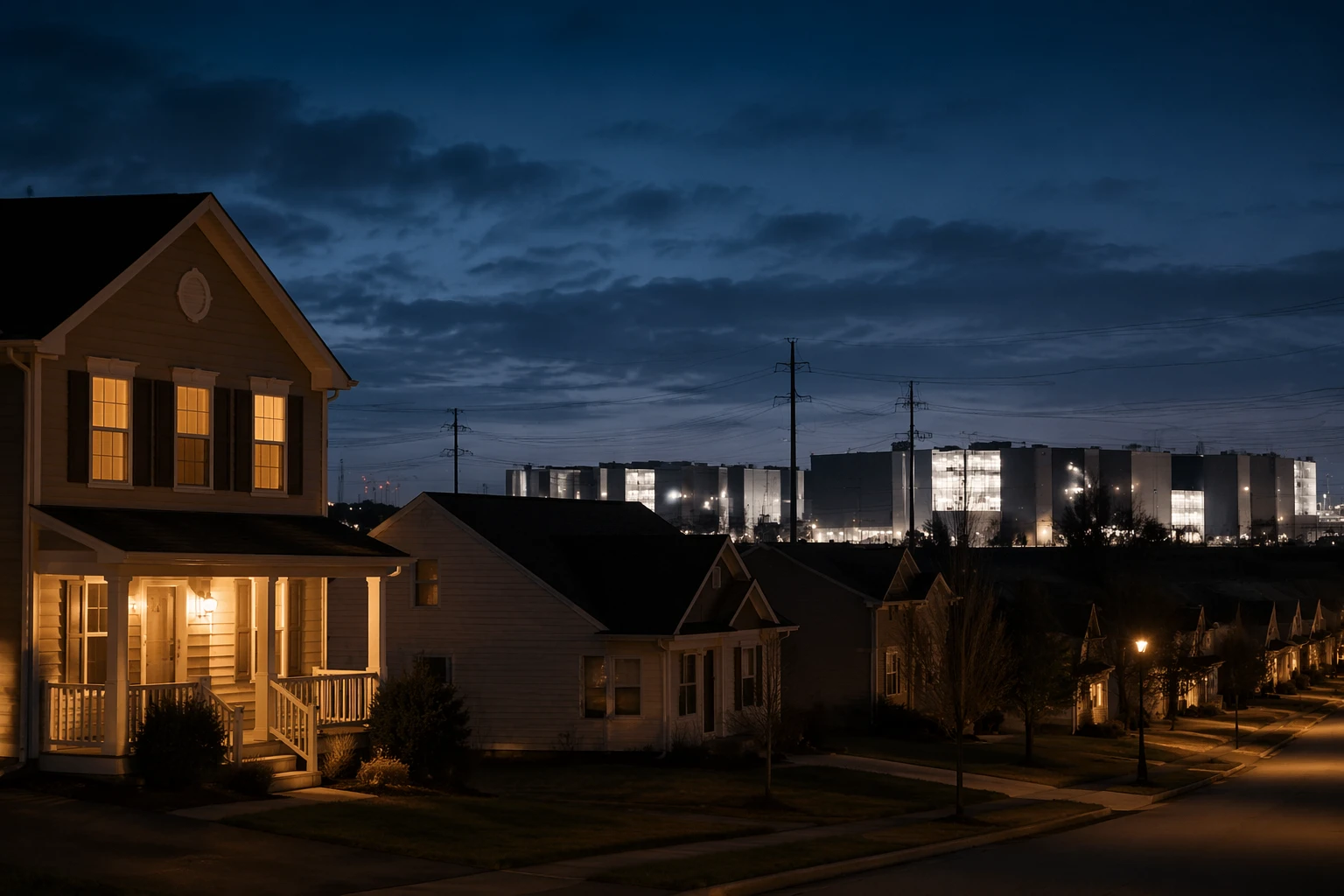
A Virginia resident's January 2026 power bill jumped to $281 from about $100 the month before. Consumer Reports counted 3,069 data centers already operating in the United States and 1,489 more planned or under construction as of March 2026. It also counted 68 hyperscale facilities each using at least 50 megawatts of electricity, with 267 more planned at that scale.
Data centers consumed 4% to 5% of U.S. electricity and more than 25% in Virginia, while the Electric Power Research Institute projected national data-center demand could reach 9% to 17% by 2030. Electricity bills near major data-center hubs had risen as much as 267% over five years, more than 150 energy-related bills had been considered in state legislatures this year, and at least 11 states had active moratorium bills. New York’s legislature passed a one-year moratorium on new permits for data centers with a peak demand of 20 megawatts or more.
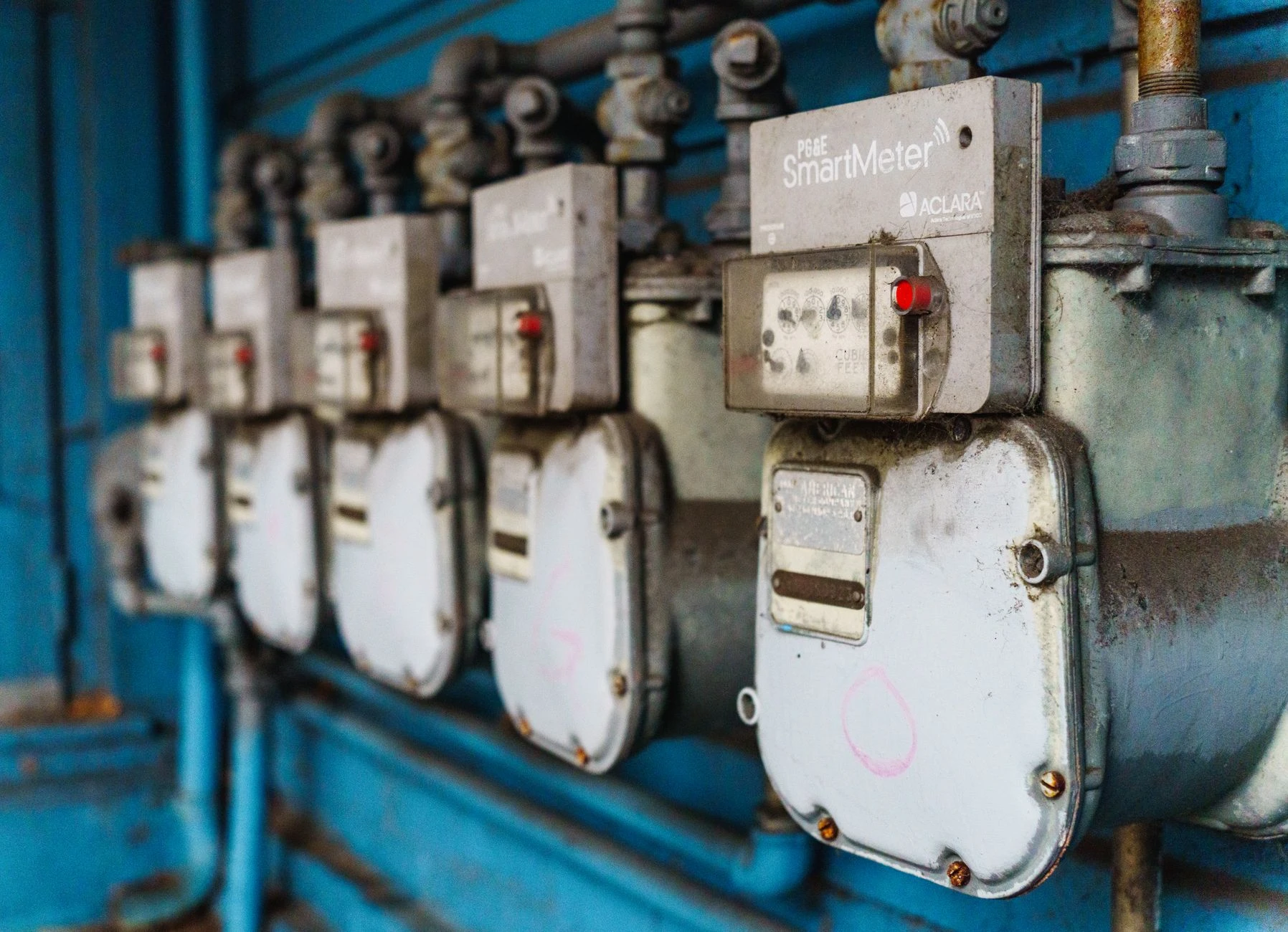

In PJM Interconnection, the market monitor put forecast data-center load at $23.1 billion in added capacity market revenues across three consecutive auctions covering 2025 through 2028. After the March pledge, the National Association of Regulatory Utility Commissioners said ratepayers should not be unduly burdened, and Sen. Ed Markey and colleagues asked state regulators how they plan to protect residential and small-business customers from data-center-related cost hikes.
Sources
- [1]uk.news.yahoo.com
- [2]whitehouse.gov
- [3]consumerreports.org
- [4]yahoo.com
- [5]utilitydive.com
- [6]pubs.naruc.org
- [7]markey.senate.gov
- [8]brookings.edu
- [9]aboutamazon.com