Technology
White House Raises Concerns Over China's AI Technology Practices
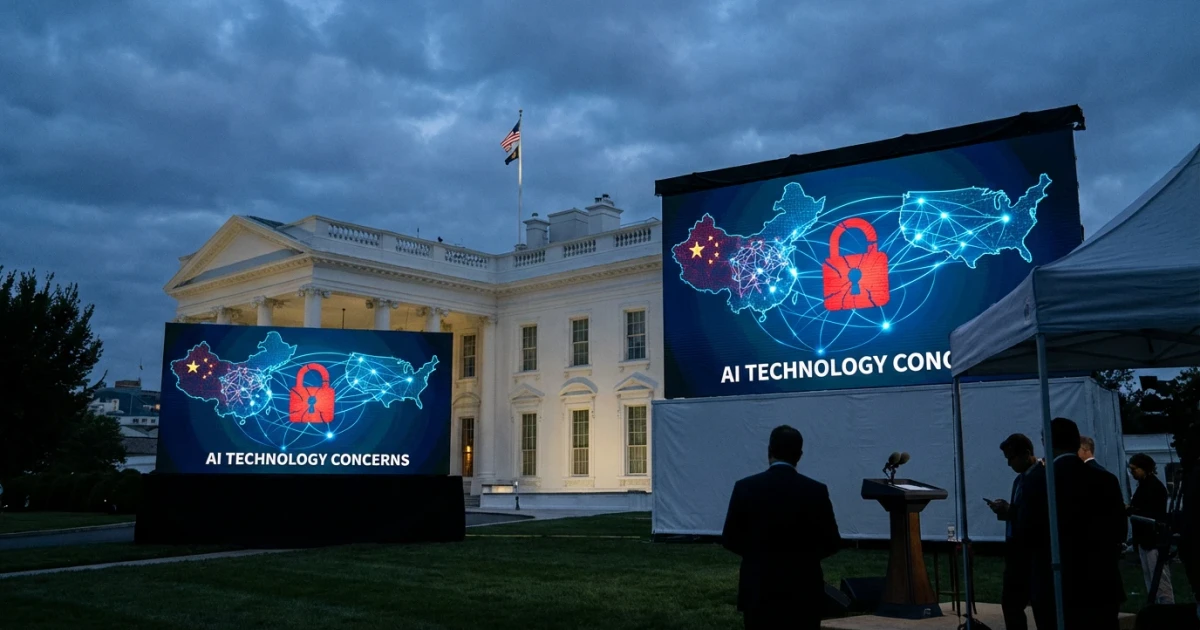
The White House has publicly accused China of engaging in large-scale theft of artificial intelligence (AI) technology, underscoring growing concerns about intellectual property security and escalating U.S.-China tensions in the tech sector.
Allegations of Systematic Technology Theft
In a statement released on Tuesday, U.S. officials asserted that China is conducting industrial-scale operations to acquire sensitive AI innovations from American companies and research institutions. The White House claims this activity is part of a broader strategy to boost China's technological competitiveness and military capabilities.
According to the U.S.-China Economic and Security Review Commission's 2023 Annual Report, Chinese entities have targeted a wide range of AI-related technologies through cyber espionage, talent recruitment programs, and joint ventures. The report highlights documented cases where proprietary algorithms, source code, and hardware designs were allegedly transferred out of the United States without consent.
Impact on U.S. Innovation and Security
U.S. officials maintain that the theft of AI technology has significant economic and security implications. The FBI's records on economic espionage reveal a growing number of investigations involving Chinese actors, with many cases centered around advanced computing, machine learning, and robotics. The agency warns that such activity undermines American competitiveness and could provide adversaries with critical advantages in defense and intelligence.
- The World Intellectual Property Organization notes a sharp rise in global AI-related patent filings, with China leading in the sheer volume of applications in recent years.
- The Center for Strategic and International Studies has identified technology transfer as a key element of China's AI strategy, with implications for both economic policy and international security.
China's Response and International Context
Chinese officials have consistently denied allegations of state-sponsored intellectual property theft, emphasizing their commitment to international laws and fair competition. Despite these denials, U.S. policymakers cite multiple documented cases and ongoing investigations as evidence of a coordinated effort to acquire cutting-edge technology through both legal and illegal means.
Experts argue that the issue is fueling ongoing debates over export controls, research collaboration, and supply chain security. The United States has moved to tighten restrictions on AI chip exports and to encourage domestic innovation, while advocating for stronger international cooperation on intellectual property protection.
Looking Ahead: Managing Risks and Competition
As AI becomes ever more central to economic growth and national security, the risks of technology theft—and the challenges of defending against it—are likely to intensify. The NIST AI Risk Management Framework offers guidelines for organizations to identify and mitigate threats to proprietary technology, including best practices for cybersecurity and supply chain monitoring.
U.S. officials assert that strengthening legal protections, investing in innovation, and building resilient international partnerships are crucial steps in maintaining leadership in artificial intelligence. At the same time, the White House's allegations are likely to add pressure to an already complex U.S.-China relationship, with implications for global technology policy and economic competition.