Politics
White House Security Costs Draw Scrutiny Amid $1B Budget Line
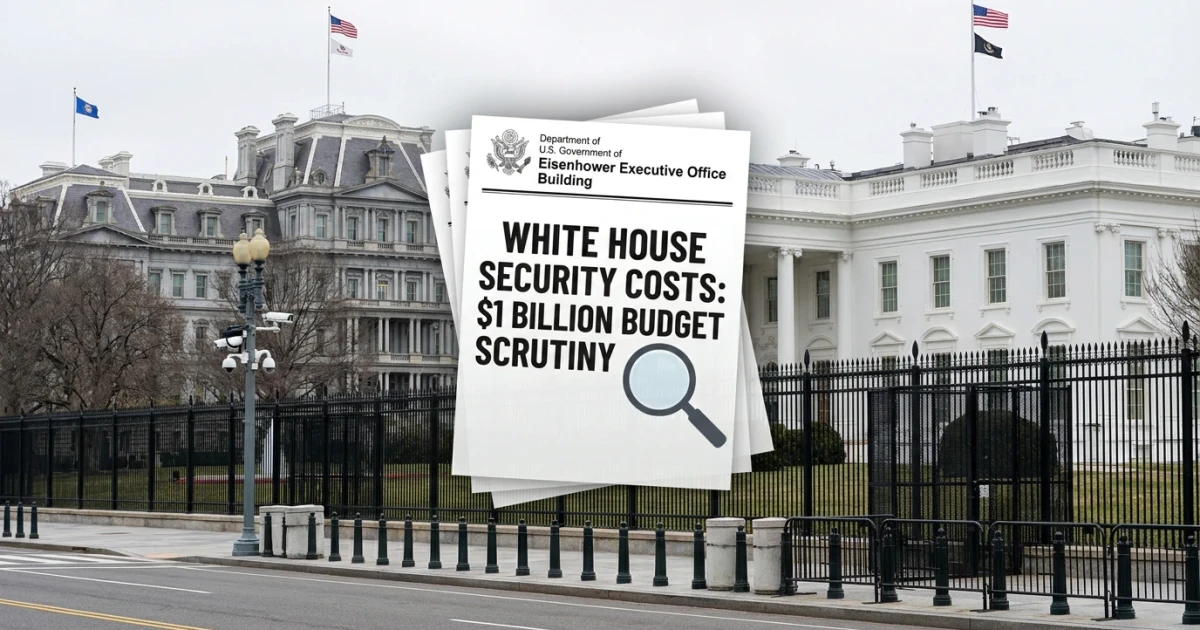
Senator John Thune has defended a proposed $1 billion allocation for White House security, emphasizing that the figure reflects the realities and complexities of protecting the president. The funding request, which has sparked debate among lawmakers and the public, underscores the ongoing challenges of securing one of the world’s most closely watched residences.
The Cost of Presidential Protection
The billion-dollar figure, outlined in the White House FY 2024 Congressional Budget Submission, covers a broad range of expenses. These include physical security upgrades, advanced surveillance technology, staffing for the Secret Service, and ongoing maintenance of security infrastructure. The budget also supports emergency response capabilities and cybersecurity enhancements, reflecting evolving threats in both physical and digital domains.
- Annual White House security spending has increased steadily over the past decade, according to Congressional Budget Office analysis.
- The Secret Service, which oversees protection for the president and First Family, absorbs the bulk of these funds, with costs ranging from personnel salaries to technology deployments.
- USAspending.gov data shows that the Department of Homeland Security, which houses the Secret Service, receives significant annual appropriations specifically earmarked for executive protection and White House operations.
Senator Thune’s Rationale and Public Debate
In defending the $1 billion allocation, Senator Thune stated that it reflects “what it costs” to ensure the safety of the president, citing the unique and high-risk nature of the job. While some critics have questioned the escalating price tag, supporters argue that comprehensive security is non-negotiable given the stakes involved. Recent years have seen high-profile security breaches and evolving threats, prompting calls for ongoing investment in both personnel and technology.
According to the Government Accountability Office, previous reviews of White House security have identified areas for improvement and recommended additional resources to address emerging risks. Investments have included perimeter fortification, advanced screening systems, and enhanced training for the Secret Service. These upgrades are periodically reassessed based on evolving threat assessments from intelligence and law enforcement agencies.
Breakdown of Security Spending
While the overall $1 billion figure covers multiple line items, several major categories stand out:
- Personnel: Salaries and training for Secret Service agents and support staff.
- Technology: Surveillance, intrusion detection, and secure communications systems.
- Physical Upgrades: Reinforced barriers, bullet-resistant glass, and safe rooms.
- Emergency Preparedness: Medical teams, evacuation plans, and coordination with other federal agencies.
The Congressional Budget Office notes that these costs have grown as threats have become more sophisticated, ranging from drone incursions to cyberattacks targeting critical White House networks.
Balancing Security and Spending
Lawmakers continue to debate the appropriate balance between security needs and fiscal responsibility. Some advocates call for greater transparency in how security funds are allocated and spent. Others warn that underinvestment could leave the president and the nation vulnerable to new and unpredictable threats.
The security of the White House remains a top priority not only for the administration but also for Congress and the American public. As threats shift and technologies evolve, the cost of protection is likely to remain substantial. For now, Senator Thune and his supporters argue that the billion-dollar budget is a necessary investment in the safety and stability of the nation’s executive leadership.