Politics
White House security spending raises questions over ballroom funding
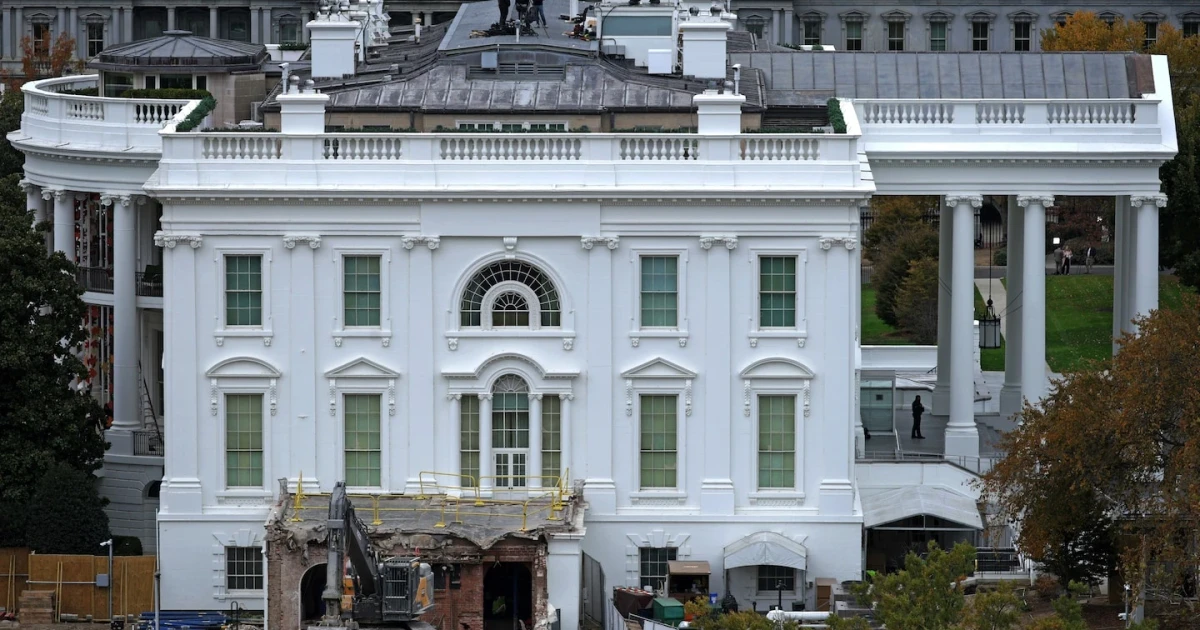
The White House’s promise that private donations would pay for a new ballroom collided with a separate $351.6 million transfer to the Secret Service for White House security measures. That split has fueled a Capitol Hill fight over whether public money is quietly underwriting a project the administration says is privately financed.
The funding move came after Congress rejected an earlier $1 billion request tied to White House security upgrades and East Wing modernization, and after Senate Republicans stripped ballroom-related security money from a reconciliation bill in May 2026. Lawmakers critical of the project have argued that the latest transfer blurs the line between construction costs and security work, especially because the administration has not given a detailed public accounting of what the money covers.
The White House has described the planned White House State Ballroom as an approximately 90,000-square-foot addition with seating for 650 people, intended to solve long-standing event space limits at the executive mansion. Officials have said the ballroom would replace the East Wing area, which the White House says was built in 1902 and altered repeatedly, including with a second story added in 1942.
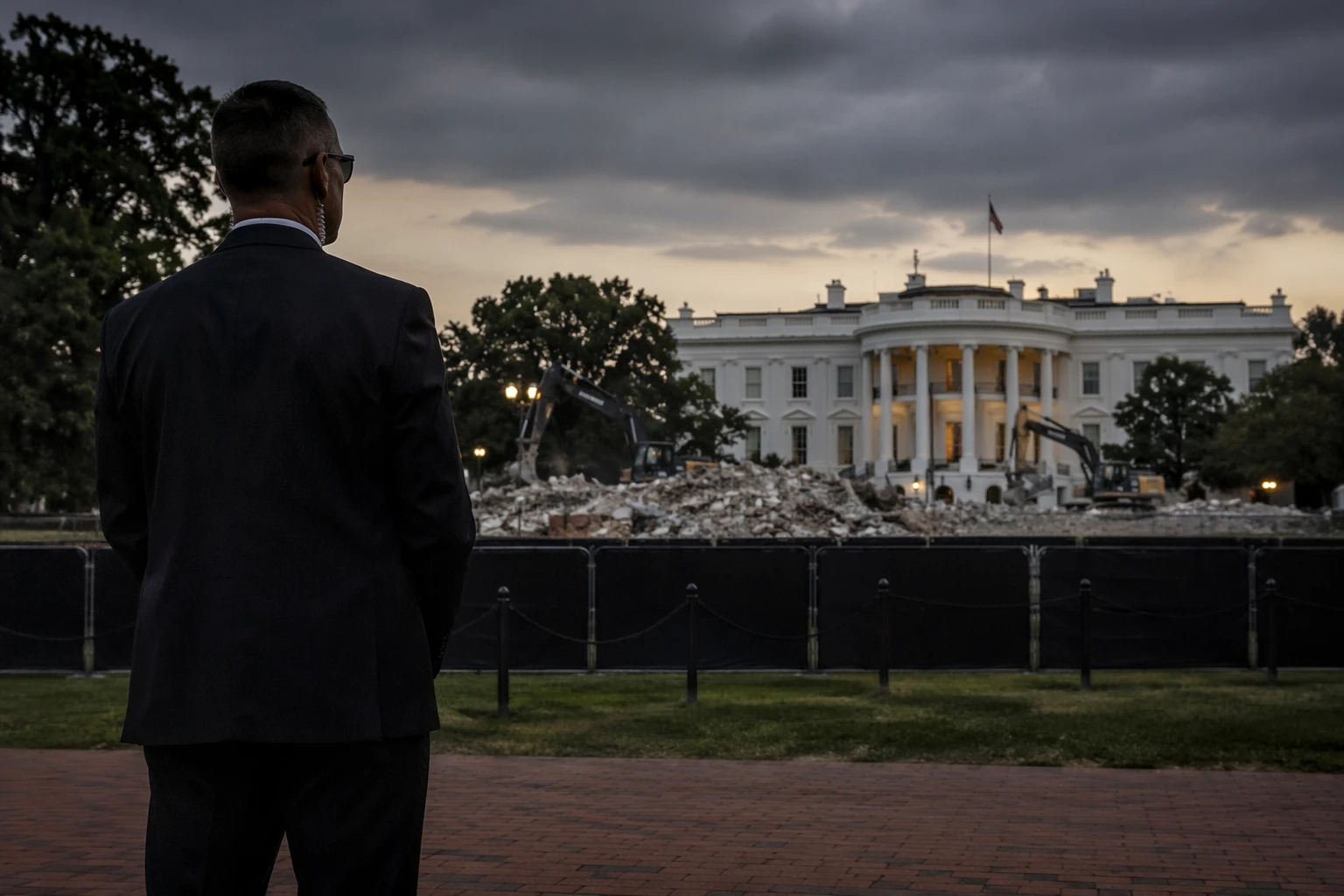
That argument has not quieted concerns about how the project is being financed. The administration says the ballroom itself is being funded through private donations, but questions remain over whether taxpayer dollars are being used for related security work around the site. Critics in Congress say the spending lacks transparency and amounts to a workaround that lets the White House move ahead without meaningful oversight.
The security debate carries added weight because the Secret Service has faced intense scrutiny since the attempted assassination of Donald Trump at a rally in Butler, Pennsylvania, in 2024. The episode sharpened attention on White House protection and reinforced the political sensitivity of any shift in security funding, particularly when it is tied to a high-profile construction project.
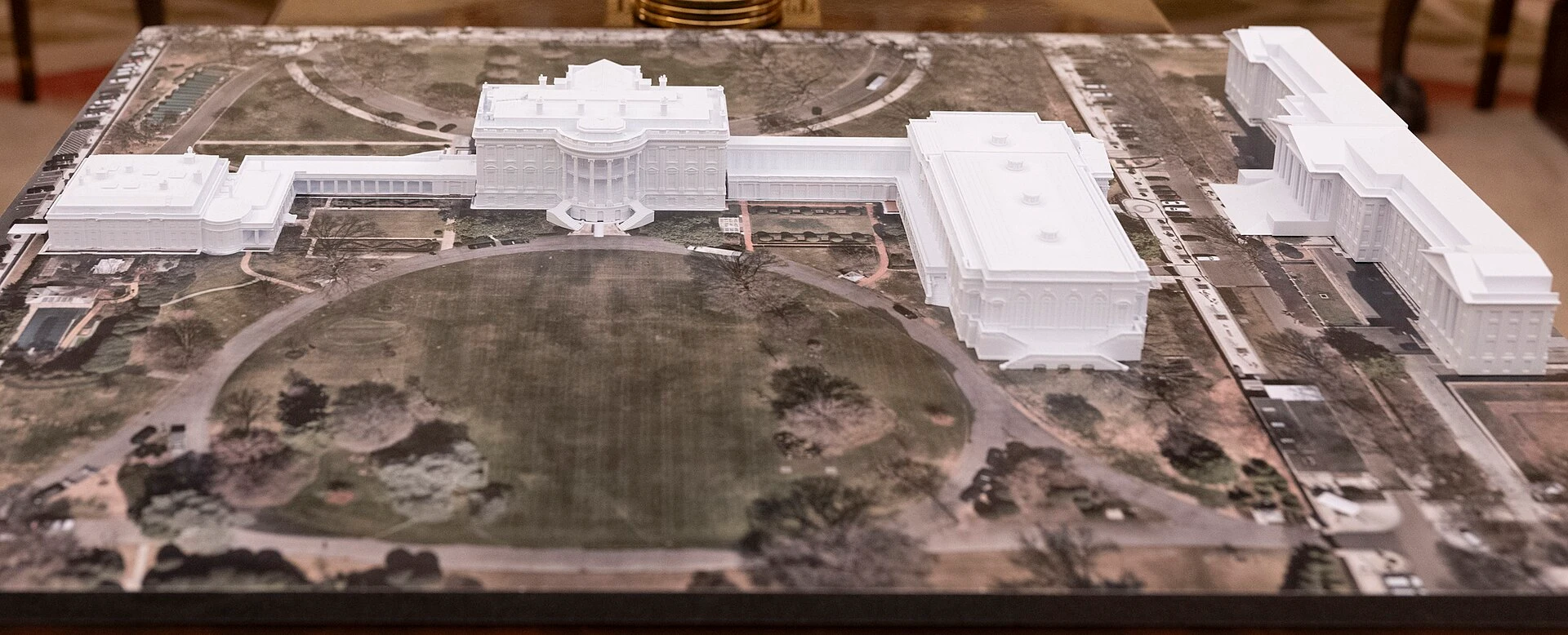
The ballroom has become part of a broader Trump-era White House construction push that critics say is unusually large and unusually opaque. With the East Wing work underway and the financing questions still unresolved, the administration’s claim of private funding now sits beside a public-security bill that Congress was already unwilling to approve.
Sources
- [1]nytimes.com
- [2]rollcall.com
- [3]whitehouse.gov
- [4]apnews.com
- [5]washingtonpost.com
- [6]politico.com