Health
White House seeks $1.4 billion to fight Ebola outbreak
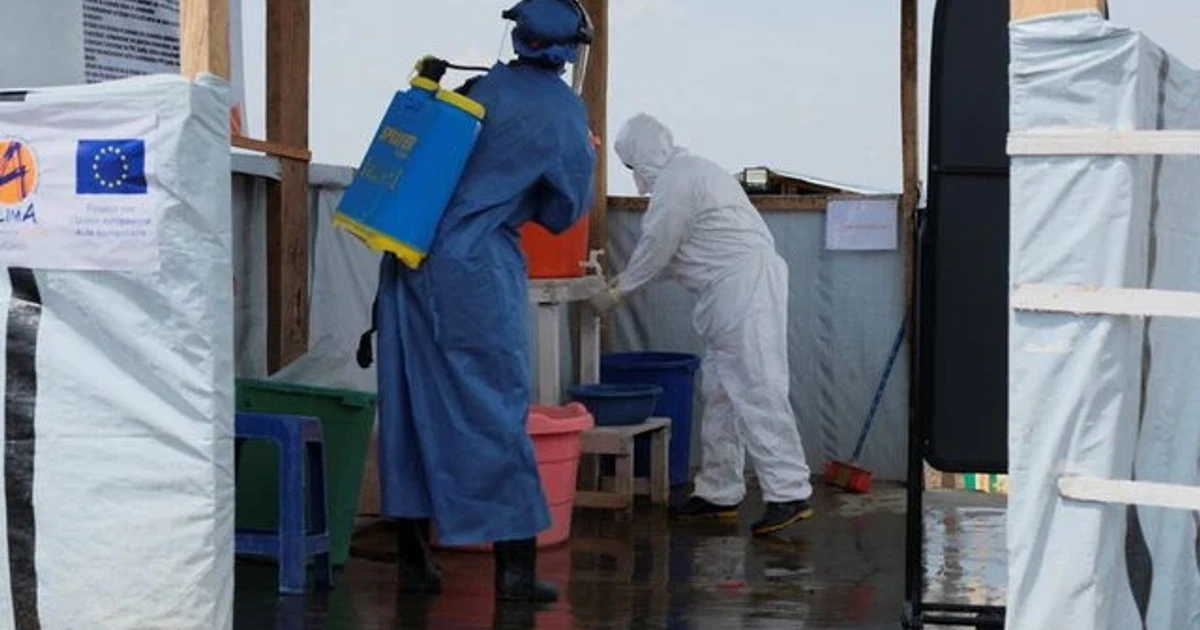
The White House prepared to ask Congress for more than $1.4 billion in new Ebola funding, dividing the money between overseas containment and steps designed to keep the virus from reaching the United States. The request was set to be folded into a larger supplemental package and came as officials moved to treat the outbreak as a fast-moving public-health threat rather than a distant emergency.
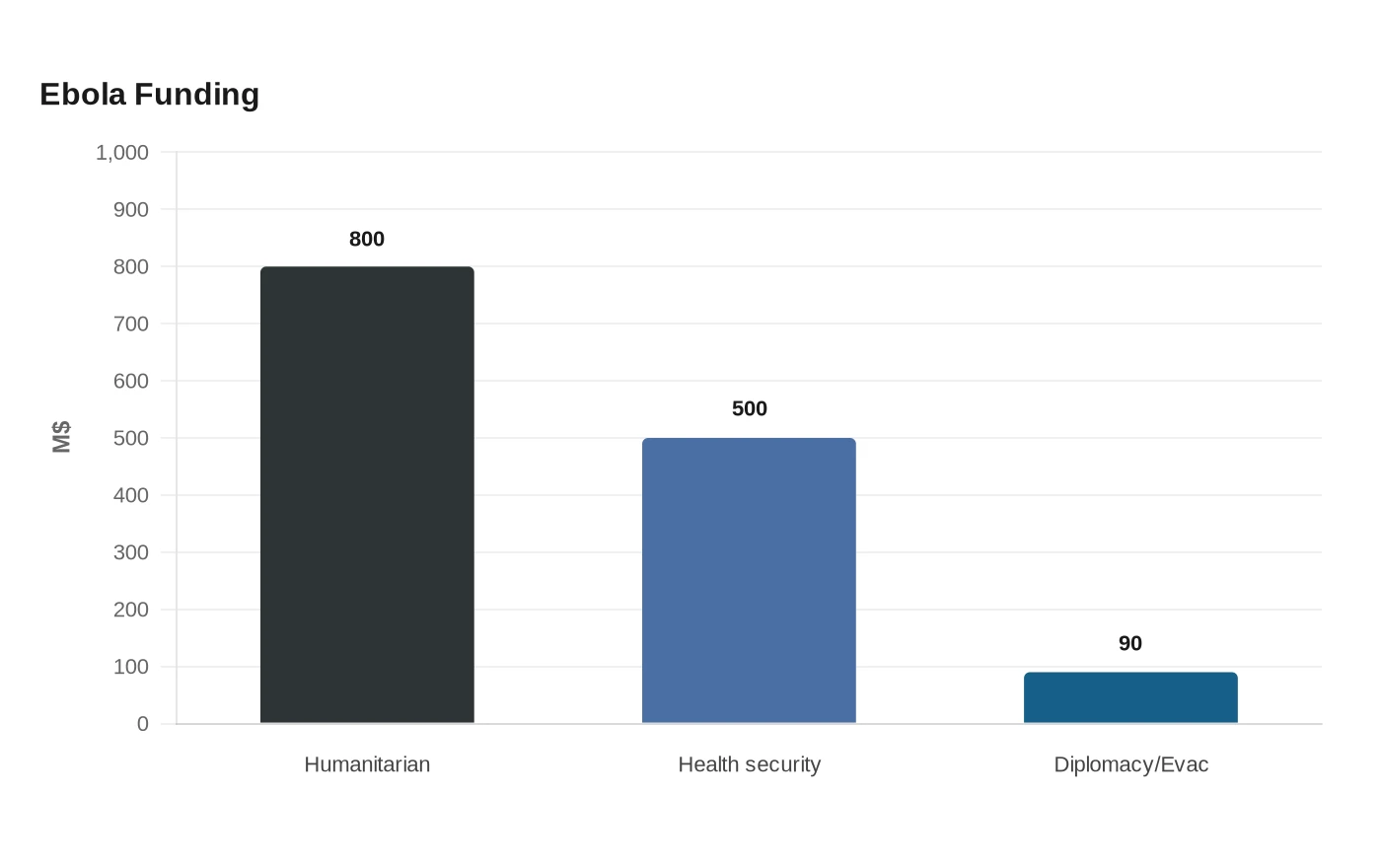
Roughly $800 million would go to humanitarian response needs, including a quarantine center in Kenya for Americans exposed to Ebola, along with supplies, treatment, contact tracing, a regional logistics network and infection-control work. Another $500 million would support global health security efforts such as disease surveillance, laboratory capacity and cross-border coordination. A further $90 million would cover diplomatic and evacuation work, including transportation for U.S. citizens with the virus to treatment facilities.
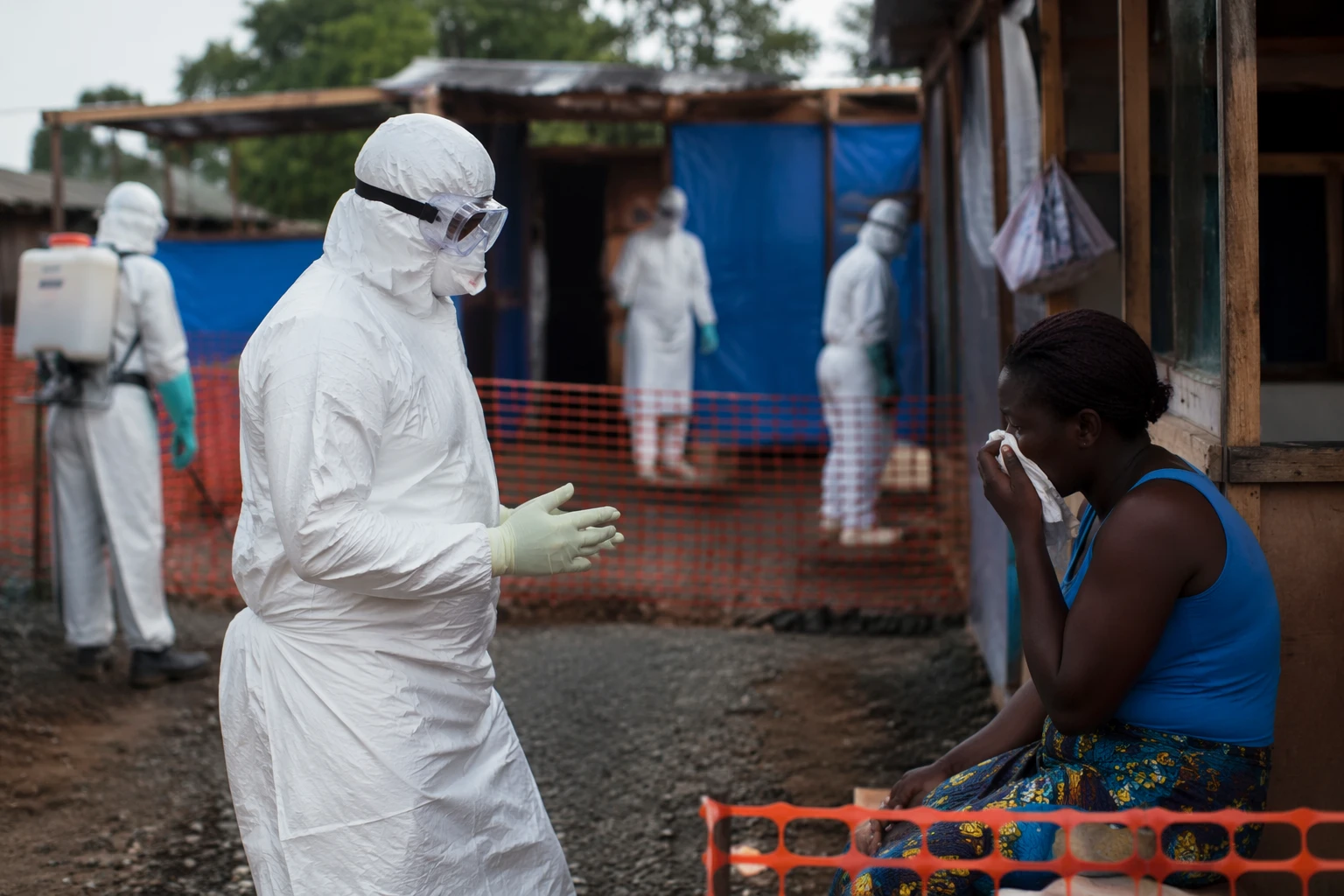
The scale of the outbreak gave the request its urgency. Congo’s outbreak involved the rare Bundibugyo strain and had infected more than 1,000 people and killed 267 when the funding request was prepared, then the World Health Organization said on June 24 that the outbreak had reached 1,094 confirmed cases and 277 deaths and was continuing to “move fast.” WHO also said the outbreak had become the largest first-month Ebola event ever recorded in Africa, a marker that underscored how quickly the crisis had outpaced earlier assumptions about containment.
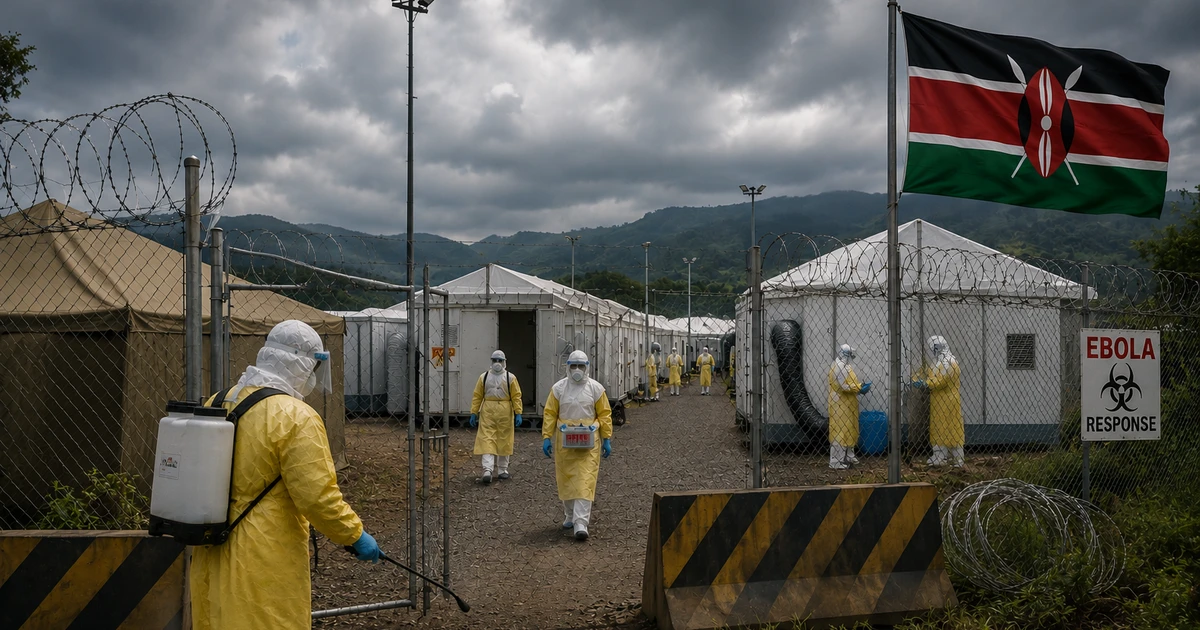
U.S. officials were also pressing European governments to tighten travel measures and contribute more after a doctor who returned to France from humanitarian work in Congo tested positive and became France’s first confirmed case tied to the current outbreak. That case sharpened concern that the epidemic was no longer contained to one region’s health system and could keep widening through travel, aid work and weak border controls.
The request also landed against criticism that earlier cuts to the U.S. Agency for International Development and African public-health efforts may have weakened the broader response architecture. In practical terms, the money would buy surveillance, labs, transport, treatment capacity and international coordination now, before a larger emergency forced Washington to spend far more after domestic fallout. Congress will decide whether to treat Ebola preparedness as urgent while the outbreak is still abroad, or only after the threat has become harder and costlier to contain.
Sources
- [1]usnews.com