Politics
White House Turns Down Democrats’ Offer as DHS Shutdown Persists
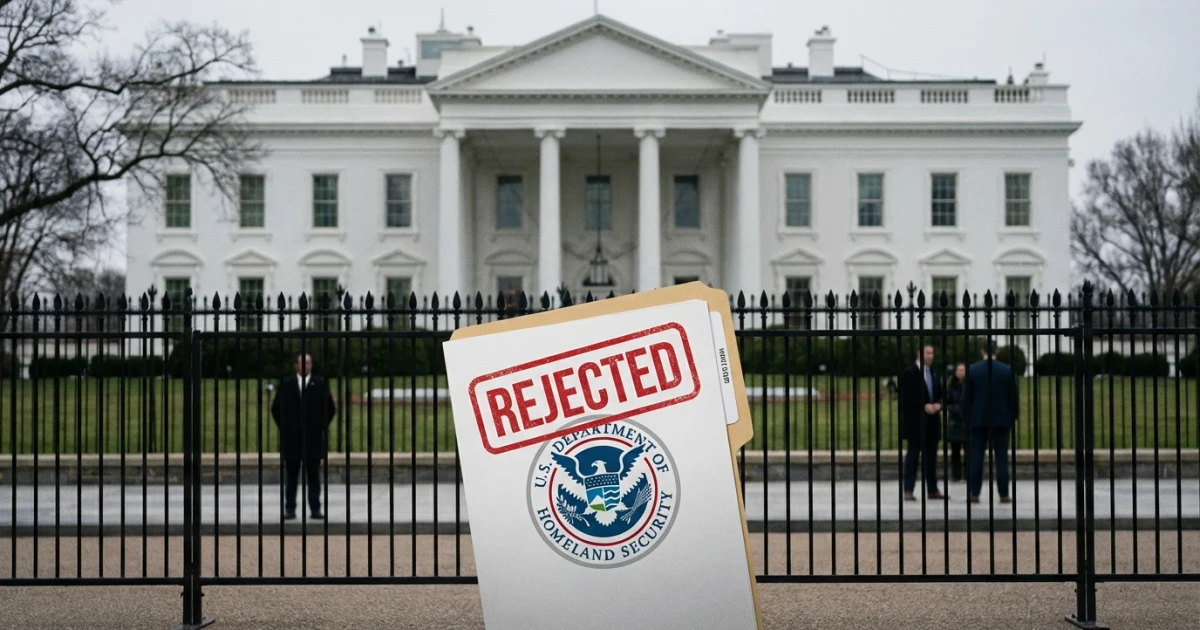
Washington, D.C. — Negotiations over funding for the Department of Homeland Security (DHS) remain deadlocked after the White House rejected the latest proposal from Democratic lawmakers, prolonging a shutdown that has left critical security operations in limbo.
Stalemate Over Funding Continues
The ongoing funding impasse has led to a partial shutdown of the DHS, impacting a wide range of services from border security to disaster response. According to The New York Times, the White House’s dismissal of the Democrats’ latest offer underscores the deep divisions between the executive branch and Congress over the structure and priorities of the new appropriations bill.
Key Points of Disagreement
- Democratic lawmakers have pushed for increased funding for immigration processing and humanitarian programs, while the White House maintains a hardline position on border enforcement measures.
- The rejected proposal included provisions for temporary funding extensions for several DHS agencies and a commitment to address border security in separate legislation.
- The White House’s opposition centers on concerns that the proposal does not sufficiently address their border security priorities, a sticking point that has defined the negotiations since the shutdown began.
Impact on DHS Operations
The extended shutdown has begun to take a toll on DHS operations and its workforce of over 240,000 employees. Essential personnel, including Transportation Security Administration officers and Customs and Border Protection agents, are required to work without pay, while non-essential staff are furloughed.
According to past Government Accountability Office analyses, shutdowns of this nature disrupt planning, delay grant programs, and can have cascading effects on national security initiatives as outlined in the DHS Strategic Plan.
Broader Implications and What’s Next
The dispute is the latest in a series of funding gaps that have tested the resilience of federal agencies. The Congressional Budget Office has previously noted that shutdowns create operational inefficiencies and can have long-term costs for both government and the economy.
While both sides have signaled willingness to continue talks, the pathway to a compromise remains unclear. As the shutdown continues, communities dependent on DHS services and employees facing missed paychecks are left in uncertainty.
Looking Ahead
The coming days may prove pivotal as public pressure mounts and lawmakers seek a resolution. For now, the shutdown’s effects continue to ripple through critical security operations and the lives of thousands of federal workers. Readers can follow the status of the appropriations bill for updates on legislative progress.