Technology
White House Warns of Widespread Chinese AI Tech Theft
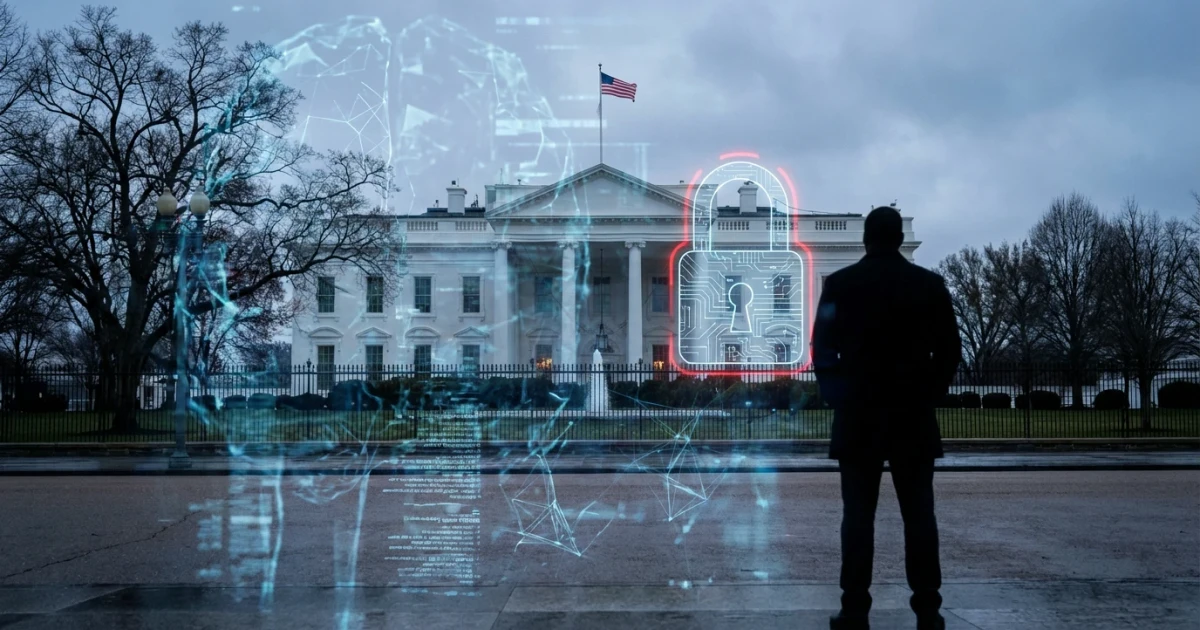
The White House has issued a bold warning, accusing China of orchestrating broad and systematic efforts to steal and replicate American artificial intelligence technology. According to statements from senior U.S. officials, the alleged campaign leverages advanced techniques—including AI distillation—to extract and copy sensitive intellectual property, raising new alarms about the security of the nation’s innovation sector.
Allegations of Mass AI Distillation
As reported by both MeriTalk and PYMNTS.com, the White House claims that Chinese state-sponsored actors are employing AI distillation—a process that compresses and transfers knowledge from one artificial intelligence model to another—to reproduce advanced U.S. technologies. This technique enables the rapid assimilation of American research breakthroughs, effectively bypassing traditional development cycles and undermining U.S. competitive advantages.
- Officials allege these efforts extend beyond isolated incidents, describing them as a concerted, state-backed campaign involving multiple sectors.
- Concerns focus on the potential for intellectual property loss on a scale unprecedented in the digital era, with possible impacts reaching from commercial applications to critical infrastructure.
Scope of Technology Transfer and Economic Impact
The accusations come amid intensifying scrutiny of Chinese technology acquisition strategies, which have been the subject of ongoing research and congressional reports. The U.S.-China Economic and Security Review Commission documented the use of cyber theft, talent recruitment, and joint ventures as key vectors for technology transfer—an approach now reportedly augmented by sophisticated AI-specific methods such as distillation and model theft.
This alleged theft is seen as a direct threat to America’s position as a leader in artificial intelligence. As the OECD AI Policy Observatory notes, the U.S. remains the world’s top originator of AI-related patents, but China’s patent filings have surged, reflecting both legitimate development and, according to U.S. officials, the benefits of illicit acquisition.
Official Response and Policy Implications
In response to these allegations, the White House is reportedly coordinating with intelligence and law enforcement agencies to assess vulnerabilities and develop new countermeasures. The FBI’s economic espionage unit has already investigated numerous cases involving the theft of trade secrets and AI algorithms, often linked to actors with ties to China.
The administration is also urging the private sector to adopt the NIST AI Risk Management Framework, which outlines best practices for protecting proprietary technologies against foreign theft, cyber intrusion, and supply chain compromise.
Broader Geopolitical Context
These accusations surface against the backdrop of a wider U.S.-China rivalry in emerging technologies. Analysis from the Center for Strategic and International Studies highlights how China has made AI leadership a national priority, investing heavily in research, education, and industrial application. While not all of China’s progress is attributed to illicit methods, the U.S. government argues that widespread theft skews the playing field and undermines incentives for open innovation.
Both MeriTalk and PYMNTS.com note that officials are weighing further restrictions on technology exports and investments, as well as increased funding for domestic research security. These measures would build on recent efforts to bolster intellectual property enforcement, as tracked by the U.S. Patent and Trademark Office.
Looking Ahead
As the U.S. government mobilizes its policy and enforcement tools, the challenge of safeguarding AI advances from foreign appropriation is expected to intensify. Industry leaders and academic researchers are being called upon to remain vigilant, balancing the need for international collaboration with growing concerns over technology security.
For readers seeking a deeper dive into the data and case studies underpinning these concerns, National Defense Magazine provides a comprehensive overview of documented incidents and ongoing investigations into Chinese technology theft strategies.
The evolving standoff over AI innovation and intellectual property will likely remain a focal point of both policy debate and global economic competition in the months to come.