Business
White House Weighs Citizenship Checks for Bank Customers
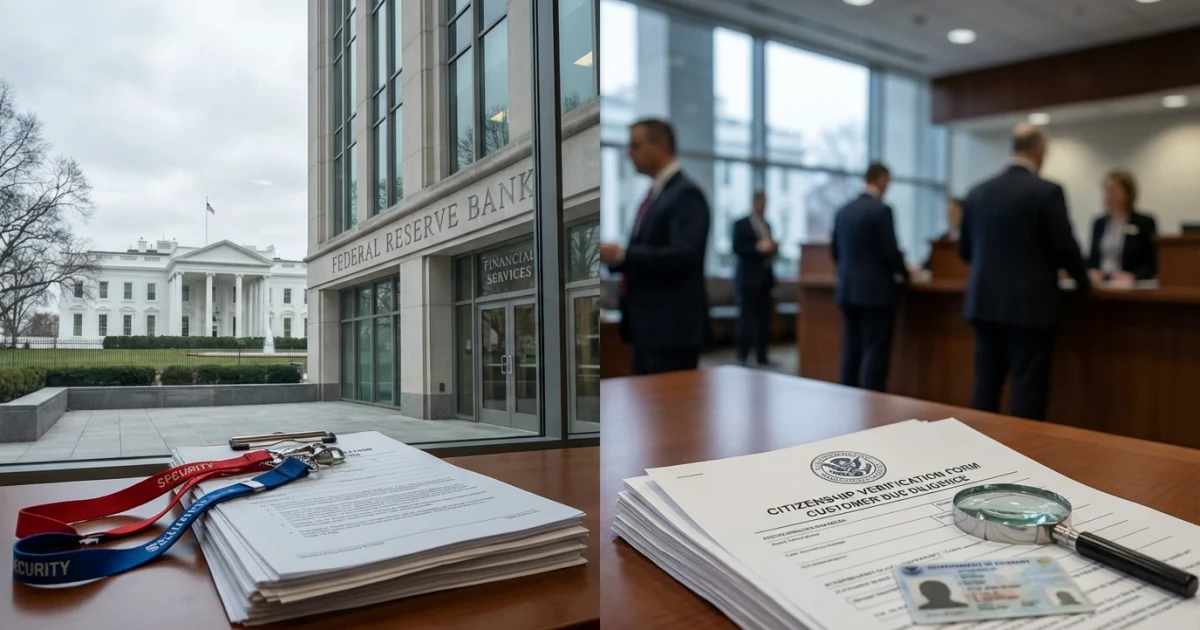
The Trump administration is considering a proposal that would require banks and other financial institutions to collect and verify the citizenship status of their customers, according to reporting from The Washington Post. The potential policy, still in early stages of internal debate, could significantly alter how Americans interact with the banking system and raise concerns about privacy, access, and regulatory burden.
Potential Shift in Banking Policy
Currently, banks are required under the Bank Secrecy Act to verify the identity of their clients and flag suspicious financial activity, but citizenship status is not generally collected or required for opening a basic account. The proposed change would expand the information banks must gather during the customer onboarding process, adding a new layer to standard customer identification procedures.
Possible Impacts on Immigrants and the Unbanked
According to a Consumer Financial Protection Bureau analysis, immigrants—especially those without U.S. citizenship—already face significant barriers to accessing banking services. Requirements for Social Security numbers or certain forms of government ID have been cited as major hurdles. If banks are mandated to collect and report citizenship information, experts suggest that it could further discourage participation in the formal financial system among non-citizens, possibly increasing the number of unbanked households.
- The FDIC’s most recent survey found that more than 5.9 million U.S. households were unbanked, with non-citizen and immigrant families making up a disproportionate share.
- Pew Research Center data shows that immigrants account for nearly 14% of the U.S. population, with a substantial portion lacking citizenship status.
Privacy and Regulatory Concerns
Financial institutions already navigate complex regulations to comply with anti-money laundering and counter-terrorism laws. Adding citizenship verification would require significant upgrades to compliance programs and data collection systems. Privacy advocates warn that centralizing sensitive citizenship data within private financial institutions could create new risks for data breaches or misuse. The Washington Post noted that banks and civil liberties groups are closely monitoring the proposal’s development, as it could have broad implications for financial privacy and security.
Debate Over Effectiveness and Motivation
Supporters of the proposed change argue that collecting citizenship information could help prevent financial crimes, ensure compliance with sanctions, and improve national security oversight. Critics, however, contend that the move could unfairly target vulnerable populations and undermine efforts to promote financial inclusion. The effectiveness of such a requirement remains in question, as banks are already obligated to flag suspicious activity regardless of citizenship status.
What Comes Next?
As the Trump administration weighs its options, banks and advocacy organizations are preparing for possible rulemaking or guidance from federal agencies. Any changes to existing regulations would likely require a public comment period and could face legal challenges. In the meantime, stakeholders are urging policymakers to consider the potential impact on underserved communities and the overall stability of the financial system.
For more information on immigrant access to banking, readers can explore the CFPB research, examine FDIC data on unbanked households, and review the Bank Secrecy Act for current legal requirements.
The debate over collecting citizenship information in banking is likely to remain a focal point as the administration weighs the potential costs and benefits, and as advocacy groups mobilize both in support of and against the proposal.