Business
White House weighs third Jones Act waiver to ease energy costs
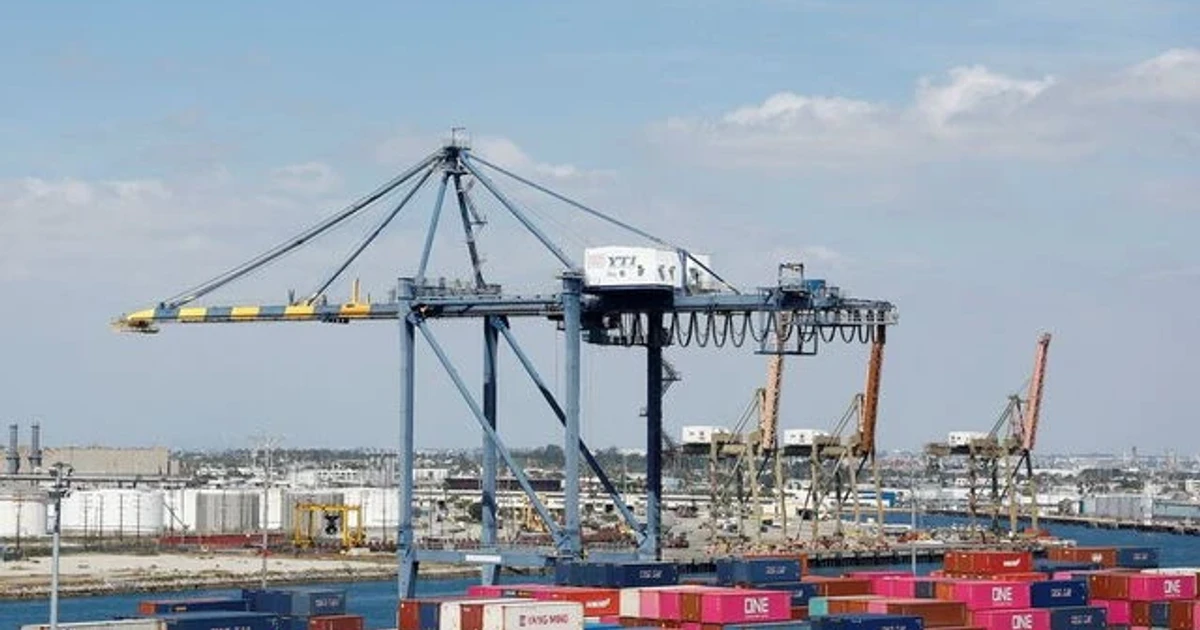
The White House met earlier this week with the Energy, Transportation and Interior secretaries to review whether to extend a Jones Act waiver that lets foreign-flagged ships move goods between U.S. ports, as renewed conflict with Iran keeps pressure on fuel prices and supply chains.
The current waiver was first granted on March 17, 2026, then extended through August 16, 2026. Administration officials are now considering a third extension, possibly with geographic limits that would narrow where foreign vessels can operate in domestic trade. The existing waiver has helped prevent shortages, and the August 16 deadline still gives the White House room to maneuver.

Domestic crude has been around $80 a barrel, and the Strategic Petroleum Reserve has fallen to its lowest level since April 1983, according to federal petroleum data released July 15.
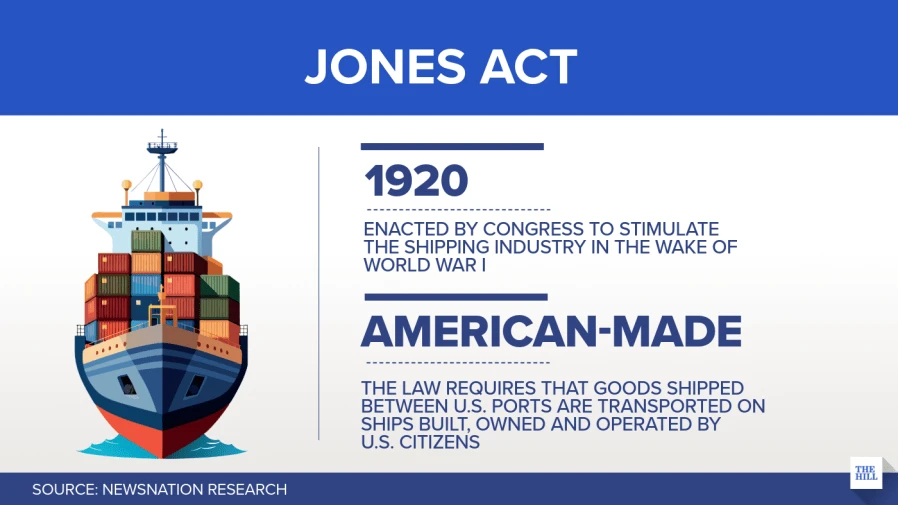
The Jones Act requires cargo moved between U.S. ports to be carried on American-built, American-owned and American-crewed vessels. The restrictions date to 1789, with additional domestic-trade limits in 1817 and U.S.-build requirements retained in 1905 before Congress folded the policy into the Merchant Marine Act of 1920.
House Speaker Mike Johnson pressed President Donald Trump in a July 1 letter to let the waiver expire as scheduled in mid-August. James Comer’s office wanted the administration to take additional steps to protect American shipbuilding and the long-term competitiveness of the U.S. maritime industry. Maritime advocates argue the law supports U.S. merchant mariners and industrial capacity, while critics of the act see waivers as a practical way to move critical goods faster when domestic shipping capacity is tight.

The March 17 waiver was one of the broadest Jones Act waivers in decades, and the Cato Institute called it the longest and broadest since at least 1950.
Sources
- [1]usnews.com
- [2]comer.house.gov
- [3]maritime.dot.gov
- [4]congress.gov
- [5]eia.gov
- [6]energynow.com
- [7]cato.org