Health
WHO and Africa CDC Launch $518 Million Response to Ebola Surge in DRC
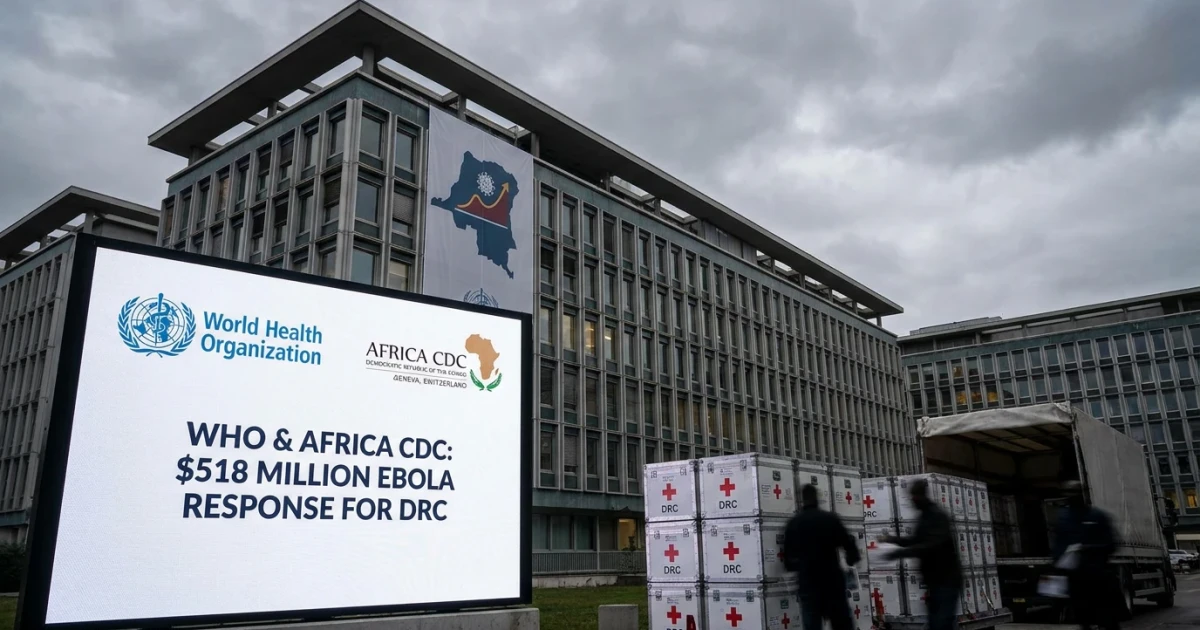
The World Health Organization (WHO) and Africa Centres for Disease Control and Prevention (Africa CDC) have unveiled a comprehensive $518 million response plan to address the ongoing Ebola virus outbreak in the Democratic Republic of the Congo (DRC), as confirmed cases in the country have now exceeded 450. The outbreak, which has also affected neighboring Uganda, has led to rising death tolls and renewed international concern over containment and prevention strategies.
Escalating Case Numbers and Regional Impact
According to the latest situation reports from WHO, the number of Ebola cases in the DRC continues to climb, with over 450 confirmed as of early June. The virus has not only taken hold in several provinces within the DRC but has also crossed borders, contributing to increased fatalities in neighboring Uganda.
- More than 450 confirmed Ebola cases in the DRC
- Rising death tolls reported in both the DRC and Uganda
- Outbreak declared a significant public health emergency
Yahoo and Al Jazeera both report that the outbreak’s spread reflects the challenges of containing the virus in regions with porous borders and limited healthcare infrastructure.
Details of the $518 Million Response Plan
The joint plan from WHO and Africa CDC aims to bolster the DRC’s health system and support neighboring countries in preventing further transmission. The initiative focuses on several key priorities:
- Strengthening surveillance and case detection
- Expanding laboratory testing and rapid diagnostics
- Enhancing infection prevention and control in healthcare settings
- Scaling up vaccination campaigns for frontline workers and at-risk communities
- Providing training and protective equipment for health workers
- Community engagement and public education
Funding will be allocated to both immediate outbreak response and the long-term capacity building necessary to prevent future epidemics in the region.
Challenges in Outbreak Management
Both WHO and Africa CDC have underscored the difficulties faced in containing Ebola in the DRC, citing factors such as ongoing conflict, limited access to remote areas, and mistrust among affected communities. The Ebola virus is known for its high mortality rate and rapid transmission, primarily through direct contact with bodily fluids of infected individuals.
To address these challenges, international partners are coordinating with local authorities to improve security for healthcare teams and ensure timely delivery of medical supplies and support.
Regional and Global Response
The current outbreak has prompted increased vigilance at the borders of the DRC and Uganda, with health screenings and quarantine protocols being implemented to limit cross-border transmission. WHO has called for additional resources and international solidarity, emphasizing the importance of a coordinated regional approach.
Previous Ebola outbreaks in Africa have shown that rapid, well-funded interventions can significantly reduce case numbers and fatalities. The $518 million plan represents one of the largest single investments in Ebola response in recent years, reflecting the seriousness of the current situation.
Looking Ahead
As containment efforts intensify, experts warn that sustained funding and community engagement will be essential to halt the outbreak and prevent future resurgences. The international community is watching closely, as the lessons learned in the DRC and Uganda may inform future strategies against emerging infectious diseases across Africa and beyond.