Health
WHO declares Congo Ebola outbreak emergency as mistrust hinders response
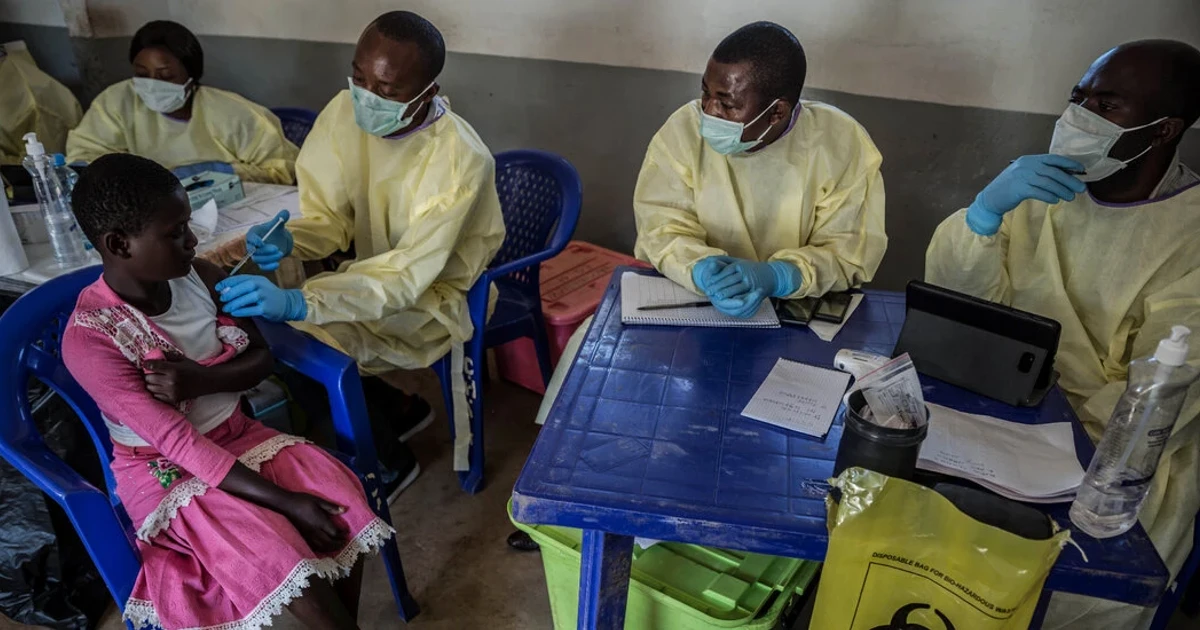
Health workers in eastern Congo are fighting an Ebola outbreak in the middle of a war zone, where mistrust of authorities, attacks on responders and porous borders have slowed surveillance and containment. The World Health Organization declared the crisis a Public Health Emergency of International Concern on 17 May 2026 after the disease spread from the Democratic Republic of the Congo into Uganda.
The outbreak is caused by Bundibugyo virus disease, a form of Ebola with no licensed vaccine or specific treatment, though supportive care can save lives. WHO said the outbreak was first detected after social media reports of an unusual cluster of severe illness and deaths in Mongbwalu Health Zone, a rural gold-mining area in Ituri Province near the borders with South Sudan and Uganda. On 14 May 2026, the Institut national de recherche biomédicale in Kinshasa tested 13 blood samples from Rwampara Health Zone in Ituri, and eight were positive. Congo’s Ministry of Public Health declared the country’s 17th Ebola outbreak the next day.
The case count has risen quickly. WHO reported 515 confirmed cases and 91 deaths in Congo as of 6 June. By 15 June, the Centers for Disease Control and Prevention had put Congo’s total at 837 confirmed cases and 196 confirmed deaths. Uganda reported 19 confirmed cases, 2 confirmed deaths, 1 probable case and 1 probable death as of 16 June. WHO said the virus had spread across 25 health zones, including 17 of 36 in Ituri, seven of 34 in North Kivu and one of 34 in South Kivu. Mambasa and Rimba in Ituri were among the latest affected areas.
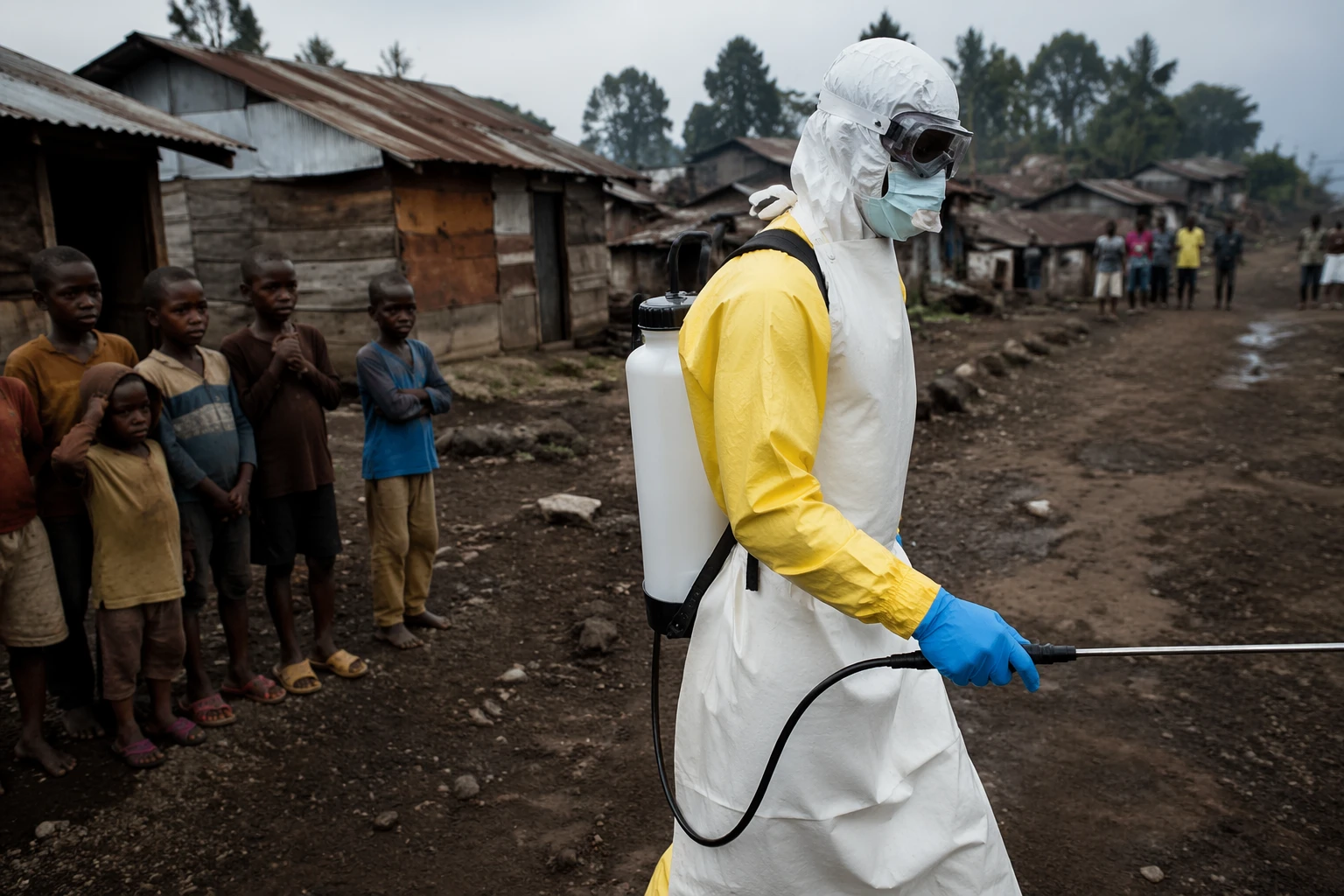
The outbreak’s geography is making standard public-health measures far harder to execute. WHO and CDC both said the affected areas have limited transport infrastructure, difficult terrain, ongoing insecurity, displacement and weak access to health care, all of which obstruct contact tracing, safe burials, vaccination campaigns and cross-border controls. WHO said community engagement would be key, a sign of how much the response depends on persuading local residents to cooperate in places where state authority is thin and suspicion runs deep.
That challenge became clear on 4 June, when a safe and dignified burial team was attacked in Katana, South Kivu, forcing responders to abandon a body before burial procedures were completed. In Bunia, four response personnel were injured in an attack linked to tensions over outbreak control measures. Such incidents are especially dangerous in Ebola response, where delays in burial, isolation and tracing can give the virus more room to spread.

The stakes are high because Bundibugyo virus was first identified in Uganda in 2007 and WHO says past outbreaks have had case fatality rates of 30% to 50%. Congo’s previous Ebola outbreak ended in December 2025, underscoring how quickly gains can be erased when conflict, mistrust and porous borders collide.
Sources
- [1]cbsnews.com
- [2]who.int
- [3]afro.who.int
- [4]cdn.who.int
- [5]cdc.gov