World
WHO Declares Ebola Emergency in Congo and Uganda
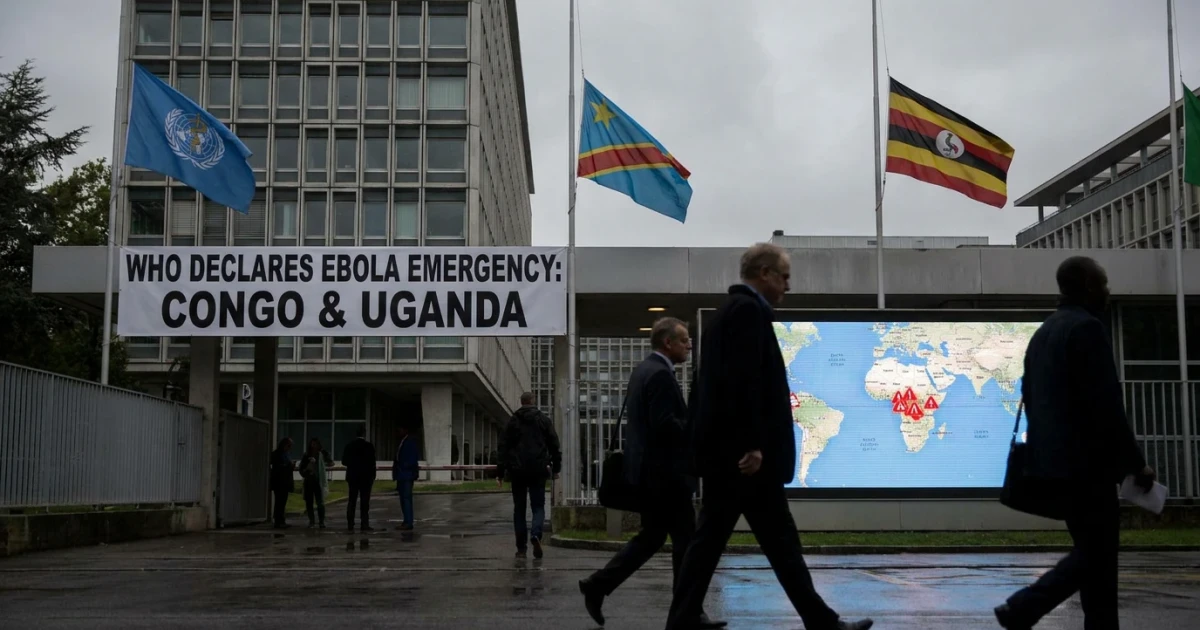
The World Health Organization (WHO) has officially declared the Ebola outbreak in the Democratic Republic of the Congo and Uganda a public health emergency of international concern, following a surge in infections and fatalities attributed to the rare Bundibugyo strain of the virus. This designation triggers intensified international support and coordination to contain the disease and prevent its further spread across borders.
Escalating Situation in Central Africa
The WHO's declaration comes after reports of rapidly increasing Ebola cases in both Congo and Uganda. According to The Guardian and U.S. News & World Report, the outbreak is primarily driven by the Bundibugyo virus—a less common strain of Ebola virus disease—with the majority of confirmed cases and fatalities centered in eastern Congo. The Times of India reported that at least 87 people have died in Congo due to this outbreak, with additional cases now identified in Uganda, prompting heightened concern over cross-border transmission.
- The Bundibugyo strain, first identified in 2007, is known for causing outbreaks with significant mortality rates.
- Recent reports emphasize that the disease is spreading in densely populated areas, raising the risk of further international transmission.
- WHO's declaration is expected to unlock emergency funding and logistical support from global partners.
Why Has WHO Declared a Global Emergency?
Declaring a public health emergency of international concern (PHEIC) is a rare step, reserved for situations that pose a risk to multiple countries and require coordinated global action. ABC News and other outlets note that this move reflects growing worries about the outbreak's regional impact and the challenges of containing a fast-moving virus in areas with limited healthcare infrastructure. The decision also signals the need for increased surveillance, rapid testing, and cross-border collaboration.
- Ebola outbreaks have historically been difficult to control, especially when they involve new or rare virus species.
- International health regulations require countries to respond promptly to PHEIC declarations with enhanced readiness and reporting.
- Previous PHEICs, such as the 2014 West Africa Ebola outbreak, triggered large-scale funding and emergency measures.
Understanding the Bundibugyo Ebola Virus
The current outbreak is notable for its association with the Bundibugyo virus, a species of Ebola virus less commonly seen in recent decades. As described in peer-reviewed research, Bundibugyo virus outbreaks typically result in high case fatality rates and present unique diagnostic and containment challenges. The spread to Uganda, which shares porous borders with Congo, raises alarms due to the potential for undetected transmission chains.
- Bundibugyo virus first caused a recognized outbreak in Uganda in 2007.
- Symptoms are consistent with other Ebola strains, including fever, hemorrhage, and rapid deterioration.
- Limited vaccine availability for this specific strain complicates response efforts.
International Response and Next Steps
WHO's emergency declaration is expected to mobilize resources through international health agencies, non-governmental organizations, and donor governments. According to the WHO situation reports, response priorities include:
- Strengthening case detection and contact tracing in affected regions
- Deploying medical teams and supplies to high-risk areas
- Enhancing border screening and public health communications
- Supporting local healthcare workers with training and protective equipment
Health authorities are urging neighboring countries to activate preparedness and response guidelines to prevent further international spread. Communities in affected areas are also being encouraged to report symptoms early and follow infection prevention protocols.
Looking Ahead
While the designation of a public health emergency signals the seriousness of the situation, experts caution that successful containment will require sustained effort and cooperation among national and international partners. The Bundibugyo strain's emergence underscores ongoing challenges in Ebola surveillance and vaccine development. As response teams mobilize and funding increases, the focus remains on breaking transmission chains and protecting vulnerable populations in both Congo and Uganda.