Politics
Who Holds the Power to Declare War in the US?
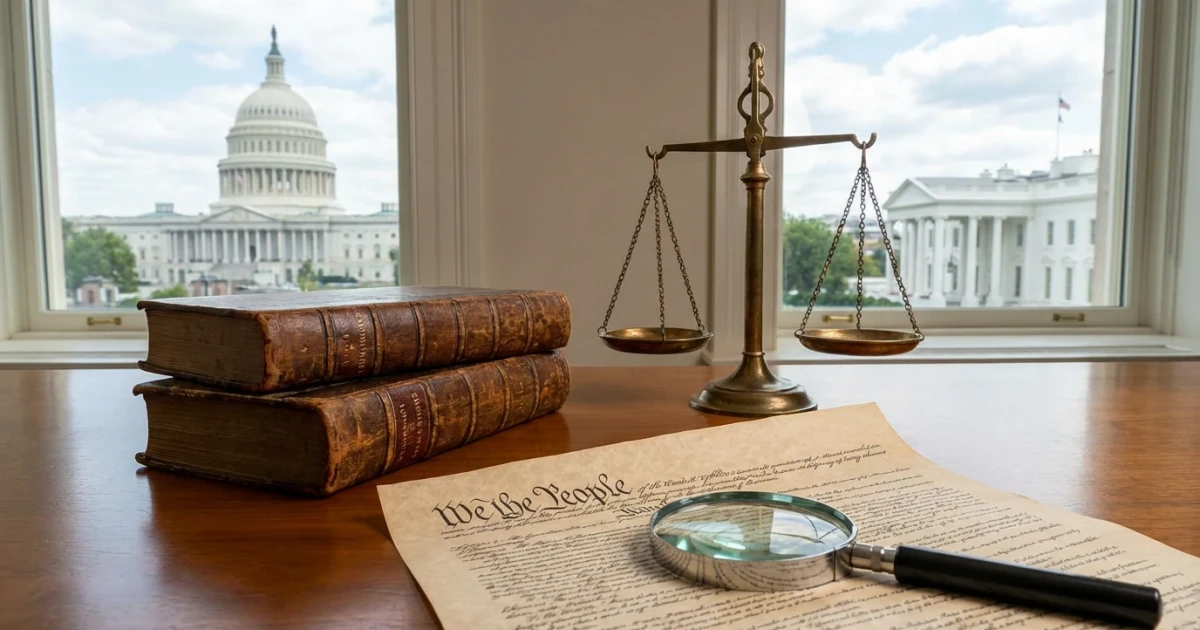
The question of who holds the authority to declare war in the United States—Congress or the President—remains a central issue in American government. The U.S. Constitution outlines a separation of powers, but the practical exercise of war-making authority has evolved through legislation, precedent, and ongoing debate.
The Constitutional Framework
The U.S. Constitution assigns Congress the power to "declare war," while designating the President as the "Commander in Chief" of the armed forces. This division was designed by the Founders to prevent unilateral military action and to ensure democratic oversight of significant national decisions.
- Article I, Section 8: Grants Congress the power to declare war, raise and support armies, and regulate military forces.
- Article II, Section 2: Names the President as Commander in Chief, empowering the executive to direct military operations.
This system of "shared powers" is intended to balance security needs with democratic accountability.
How War Powers Are Exercised
Historically, Congress has formally declared war only eleven times. However, the U.S. military has been engaged in many more conflicts, often initiated by presidential action without a formal declaration. Notable examples include the Korean War, Vietnam War, and recent interventions in the Middle East.
To address concerns over executive overreach, Congress enacted the War Powers Resolution of 1973. This law aimed to clarify and limit presidential authority by:
- Requiring the President to notify Congress within 48 hours of deploying armed forces to hostilities
- Mandating withdrawal within 60 days unless Congress authorizes continued action
The text of the War Powers Resolution articulates reporting requirements and conditions under which military force can be used without explicit Congressional approval.
Legal and Political Debates
Despite the War Powers Resolution, disagreements persist over its interpretation and enforcement. Presidents have often cited their constitutional authority to justify military interventions, while members of Congress have debated the adequacy of consultation and authorization. According to a Congressional Research Service report, presidents have notified Congress of military deployments under the War Powers Resolution more than 100 times, but formal Congressional declarations remain rare.
Some legal scholars argue that the President's commander-in-chief powers are broad in emergencies, while others insist that meaningful Congressional approval is necessary for prolonged hostilities. The courts have generally avoided direct rulings on these disputes, leaving the resolution to the political branches.
Recent Practice and Oversight
In recent decades, Congress has authorized the use of military force (AUMF) rather than declaring war. These authorizations—such as those passed after the September 11 attacks—have been used to justify a variety of military actions worldwide. Data compiled by the American Presidency Project show that presidential reports to Congress under the War Powers Resolution now form a significant part of the oversight process.
The National Archives maintains records of war-related Congressional and Presidential actions, giving researchers and the public access to the evolving history of U.S. war powers.
Looking Ahead
The balance of war powers between Congress and the President continues to be tested in an era of rapid response military operations and global threats. As new challenges emerge, the debate over who should control decisions of war and peace remains central to American democracy—requiring ongoing scrutiny, legislative action, and public engagement.