World
WHO Investigates Possible Human-to-Human Hantavirus Transmission on Cruise Ship
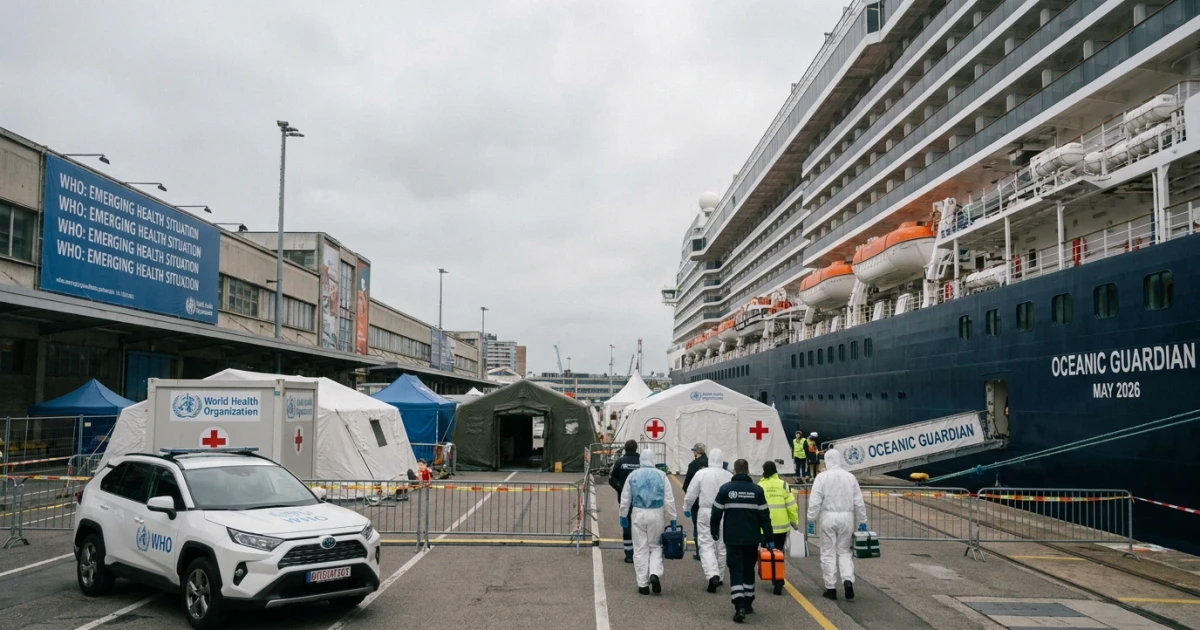
Global health authorities are investigating a possible case of human-to-human transmission of hantavirus on a stranded cruise ship, according to the World Health Organization (WHO). The incident, which has resulted in several passengers requiring evacuation, is drawing international concern due to the rare nature of such transmission.
Hantavirus Detected on Board
According to CBS News, the WHO announced that cases of hantavirus infection have been detected among passengers on a cruise ship currently stranded at sea. Hantavirus is typically transmitted to humans through contact with rodent urine, droppings, or saliva, but certain strains—such as the Andes virus—have been documented to spread from person to person, though such events are considered exceedingly rare.
Evacuation and Medical Response
In response to the outbreak, three passengers are set to be evacuated for medical treatment, as reported by CBS News and corroborated by CNN. The cruise ship, which remains anchored while health authorities assess the situation, has implemented isolation protocols and is working closely with international health organizations to contain further spread.
- Three people are scheduled for evacuation in the coming hours.
- Medical teams are monitoring other passengers and crew for symptoms consistent with hantavirus infection, including fever, muscle aches, and respiratory distress.
Understanding Hantavirus Transmission
Historically, hantavirus transmission occurs primarily through exposure to infected rodents. However, the WHO's statement highlights the potential for rare human-to-human transmission, especially in the case of certain South American variants. According to a systematic review of Andes virus outbreaks, documented episodes of human-to-human transmission have occurred, often in close-contact settings and with familial clusters.
The Centers for Disease Control and Prevention (CDC) provides detailed surveillance data showing that most hantavirus cases in the United States are linked to environmental exposure rather than person-to-person spread.
Public Health Response and Next Steps
The WHO and other international agencies have issued guidance for outbreak management on cruise ships, emphasizing rapid isolation, contact tracing, and medical evacuation where necessary. Health authorities are also conducting laboratory analyses to determine the specific hantavirus strain involved and assess the likelihood of human-to-human transmission in this instance.
Passengers and crew are being monitored for symptoms, and ports in the region have been alerted to implement additional screening and containment protocols if necessary. The cruise industry, already under scrutiny for handling infectious disease outbreaks in recent years, is again facing questions about preparedness and health safety measures.
Rare But Serious Risk
While hantavirus infections remain rare globally, they can be severe and even fatal, with case fatality rates varying by region and virus type. Human-to-human transmission, although confirmed in limited outbreaks, is not considered the primary route of spread for most hantavirus types.
Ongoing investigations will focus on confirming whether direct person-to-person transmission occurred on the cruise ship and whether additional public health interventions are warranted. The WHO has reiterated the importance of following standard hygiene and respiratory precautions in enclosed environments, especially when infectious diseases are suspected.
Looking Ahead
The cruise ship incident underscores the challenges of containing infectious diseases in closed settings and the need for constant vigilance by health authorities. Further laboratory results and epidemiological data are expected in the coming days, which will clarify the extent of the outbreak and guide future public health responses. For more in-depth information, readers can consult the WHO's official guidance on hantavirus disease and review current case statistics for updated developments.