Health
WHO launches trials of promising Ebola drugs amid Congo outbreak
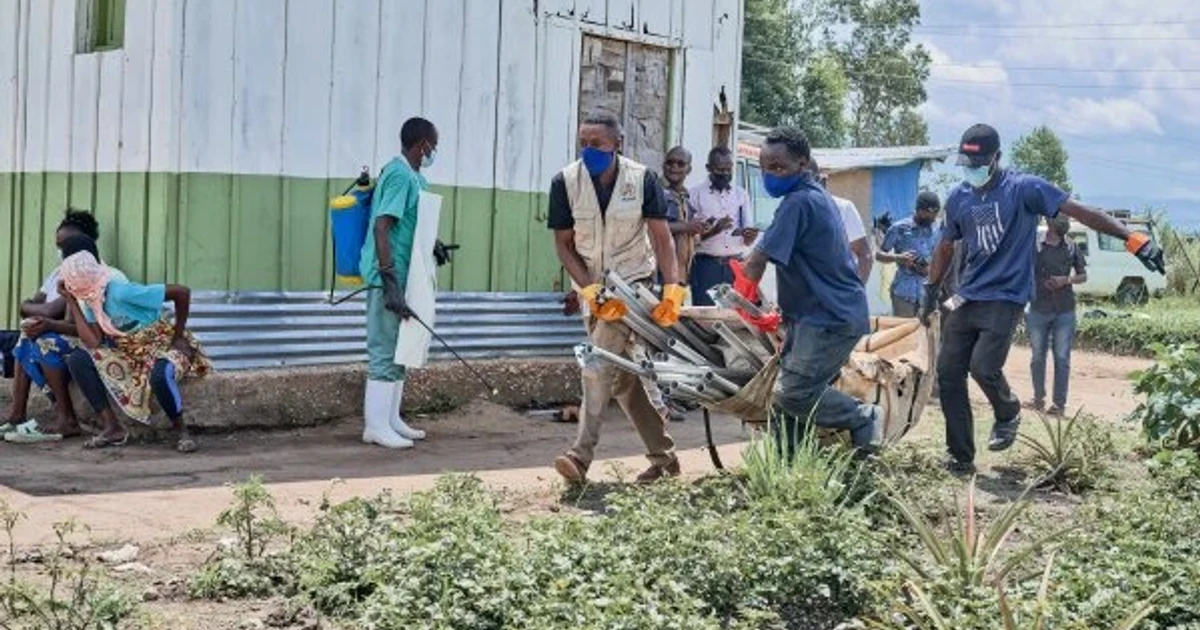
The World Health Organization moved to test promising Ebola drugs as a Bundibugyo virus outbreak widened across the Democratic Republic of the Congo and Uganda, underscoring how fast public health officials were racing to match science with spread. The strain involved was not one with a licensed vaccine or any specific approved treatment, making trial data especially urgent.
The outbreak was officially declared in the DRC on 15 May 2026, when the Ministry of Public Health, Hygiene and Social Welfare said it was the country’s 17th Ebola outbreak since the virus was first identified in 1976. Two days later, on 17 May, WHO determined the epidemic met the definition of a Public Health Emergency of International Concern. By 6 June, WHO said the outbreak remained rapidly evolving, with 515 confirmed cases and 91 deaths in the DRC and 19 confirmed cases, including two deaths, in Uganda.
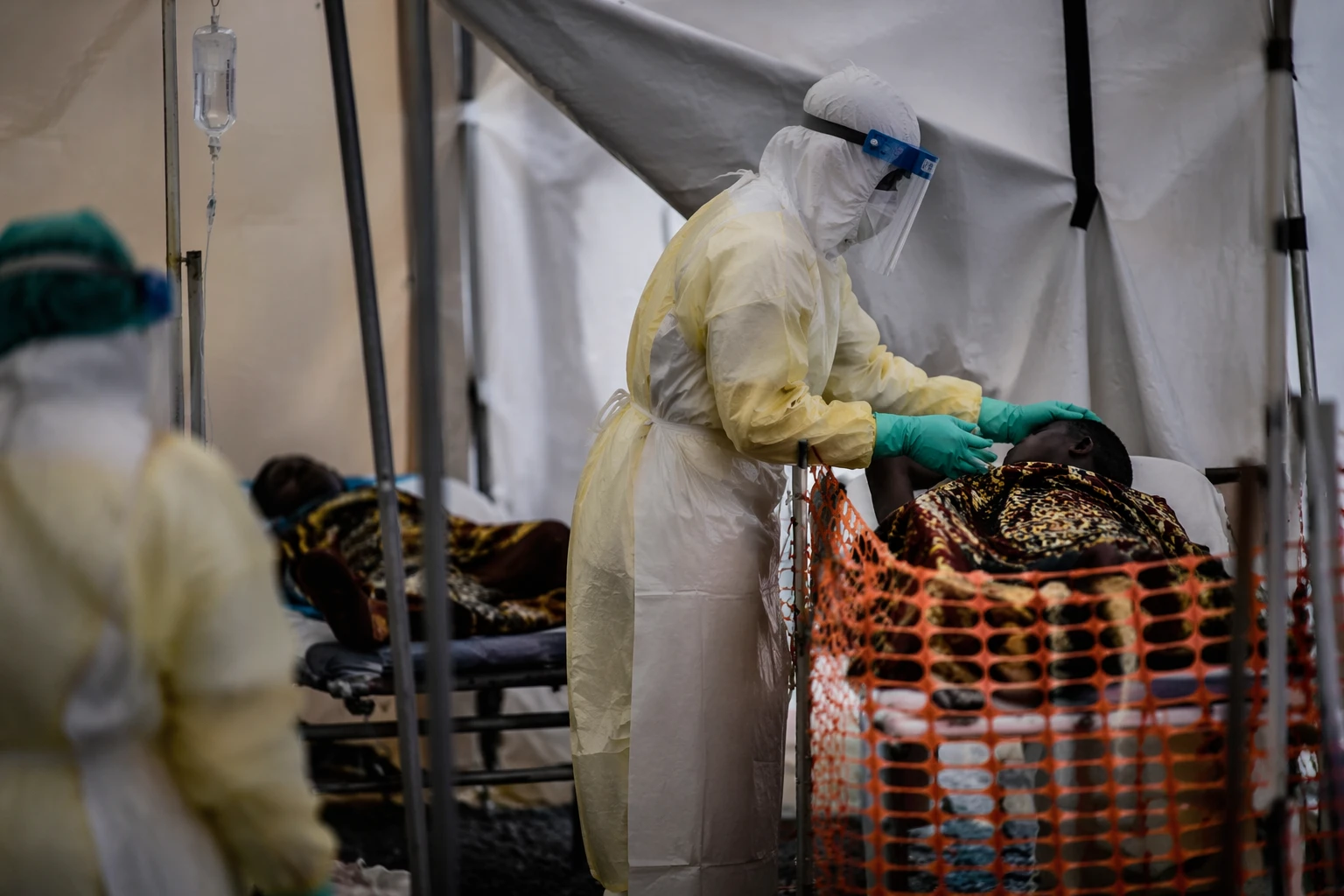
Bundibugyo virus disease is one of the Ebola species, but it has a distinct epidemiological history. The species was first identified in 2007 in Bundibugyo district in western Uganda, and WHO said the two previous outbreaks had case fatality rates ranging from about 30 percent to 50 percent. That grim record helped explain why WHO and its expert groups pressed for rapid clinical evaluation of candidate therapies, while still insisting that early supportive care remained lifesaving.
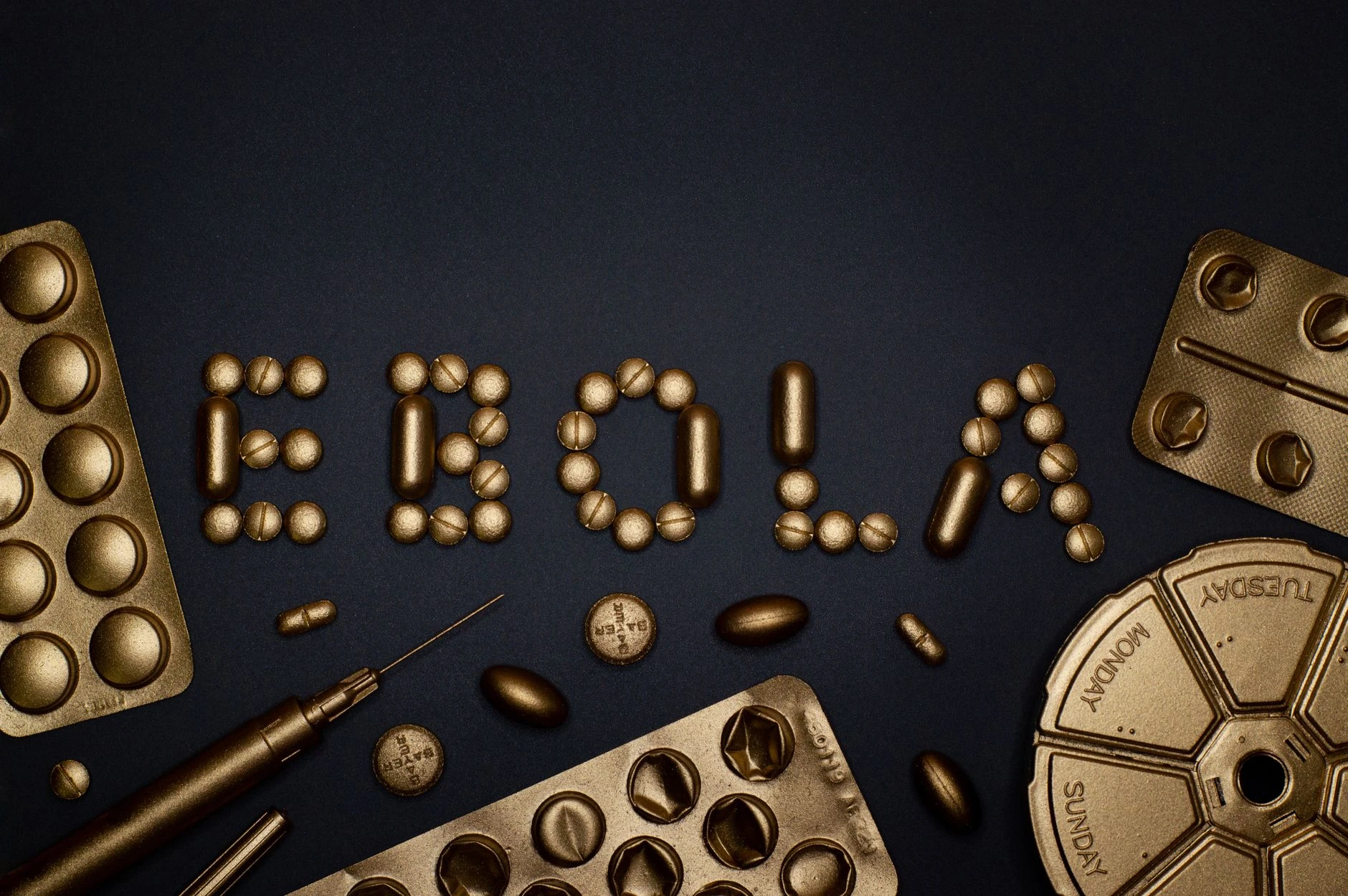
WHO’s technical advisory group prioritized MBP-134, maftivimab and remdesivir for inclusion in clinical trials for confirmed Bundibugyo virus disease cases. The group also prioritized obeldesivir for evaluation as post-exposure prophylaxis, and it considered a possible combination arm pairing remdesivir with monoclonal antibodies. WHO said the candidate products should be used exclusively within ethically approved clinical trials so researchers can generate robust safety and efficacy data rather than deploy unproven treatments broadly.
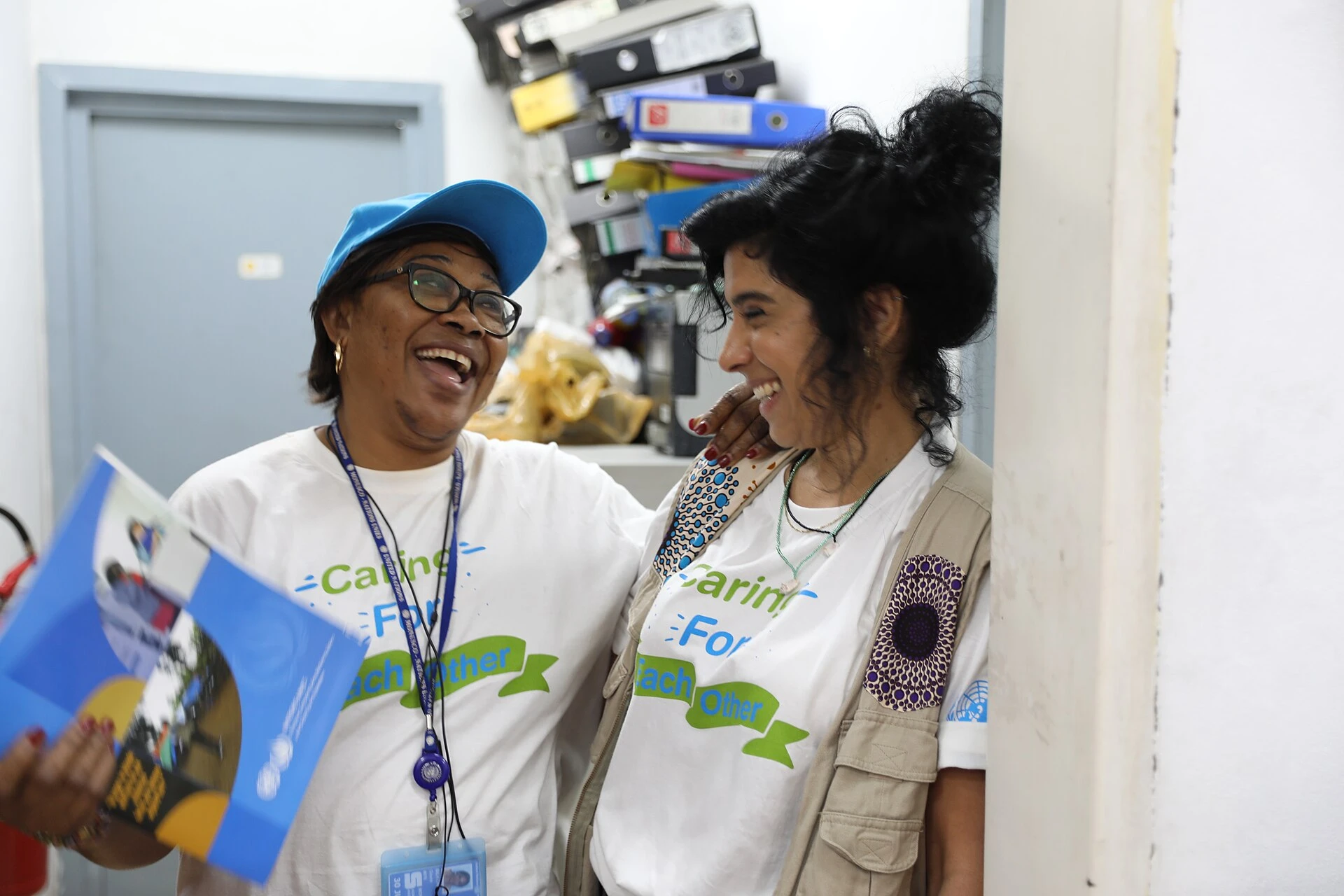
The urgency was sharpened by the outbreak setting itself. WHO said the crisis was unfolding in a remote and densely populated area affected by humanitarian strain, insecurity, heavy population and trade movements, and cross-border spread. Secondary transmission among contacts and healthcare workers had already been reported, raising the stakes for surveillance, contact tracing, clinical preparedness, community engagement and cross-border coordination. WHO said it was working with the governments of the DRC and Uganda to facilitate research on the candidate products as the response expanded.
Sources
- [1]nytimes.com
- [2]who.int
- [3]afro.who.int