Health
WHO Lowers Suspected Ebola Cases in Congo Amid Ongoing Struggles
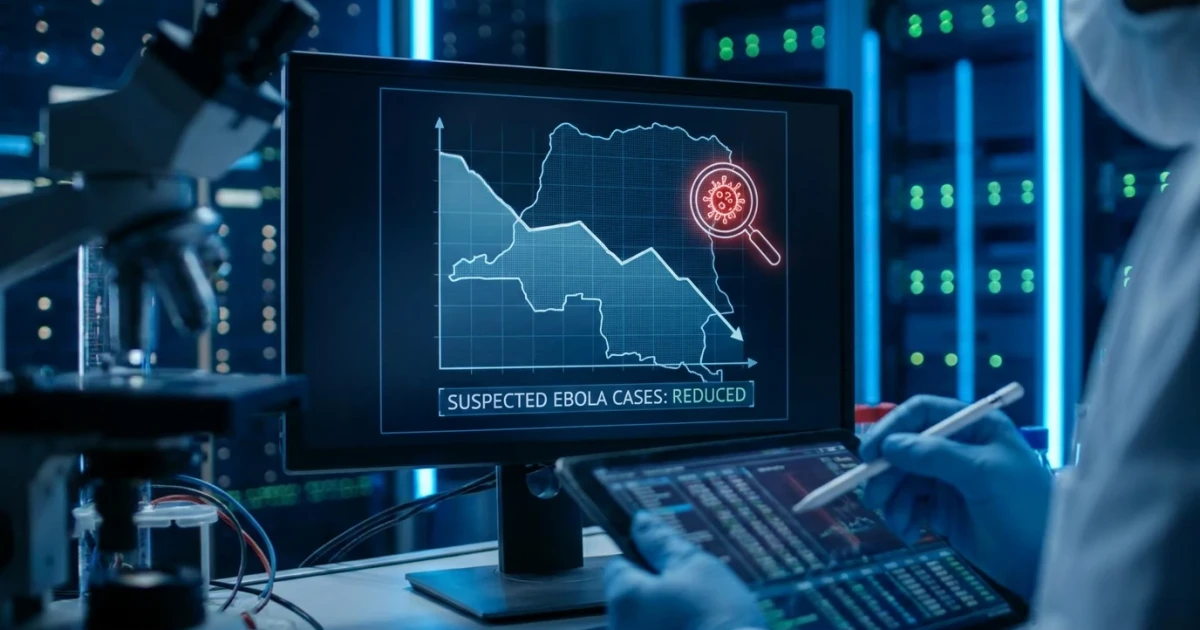
The World Health Organization (WHO) has revised down its count of suspected Ebola cases in the Democratic Republic of the Congo (DRC), signaling cautious optimism in the fight against the deadly virus. However, medical workers on the front lines warn that substantial challenges continue to obstruct efforts to control the outbreak, according to a recent CBS News report.
Updated Case Counts and Ongoing Risks
On June 2, 2026, the WHO confirmed it had scaled back the number of reported suspected Ebola cases in the DRC, following further investigations and laboratory confirmations. This adjustment reflects the evolving nature of outbreak monitoring, emphasizing the complexity of distinguishing Ebola from other febrile illnesses common in the region. Official WHO situation reports continue to track the outbreak’s trajectory, providing updates on case counts, geographic spread, and public health response measures.
Ebola virus disease remains a major concern in the DRC, where repeated outbreaks have strained the healthcare system and local communities. The virus, known for its high case fatality rates, spreads through direct contact with bodily fluids, making containment especially challenging in settings with limited resources.
Front-Line Medical Challenges Persist
Despite the reduction in suspected cases, healthcare workers and international agencies emphasize that the core challenges of outbreak response are far from resolved. Medical teams report ongoing difficulties in:
- Identifying and isolating cases due to overlapping symptoms with other local diseases
- Contact tracing and surveillance in remote or conflict-affected regions
- Community engagement and countering misinformation
- Ensuring adequate supplies of personal protective equipment, diagnostics, and vaccines
These persistent hurdles have been reflected in reports from the U.S. Centers for Disease Control and Prevention, which details the logistical and security issues that complicate Ebola containment in the DRC.
Improved Surveillance but Fragile Gains
Recent advances in laboratory diagnostics and data verification have enabled agencies to more accurately distinguish Ebola cases from other illnesses, reducing the number of suspected cases. However, experts caution that a lower case count does not mean the risk is gone. The WHO and other groups stress the need for continued vigilance, especially in border regions and densely populated areas where the virus could resurge.
Periodic situation reports from organizations like ReliefWeb and UNICEF highlight the importance of ongoing vaccination campaigns, survivor support, and community education. These measures are critical to preventing further transmission and ensuring a rapid response to new cases.
Lessons and Ongoing Strategies
Analysis from recent research underscores that each Ebola outbreak in the DRC delivers hard-learned lessons for public health. Efforts to strengthen local healthcare systems, invest in rapid diagnostic tools, and build public trust remain central to future outbreak prevention. For a deeper examination of ongoing challenges and response strategies, readers can consult this peer-reviewed study on Ebola response in the DRC.
Looking Ahead
As the official case count decreases, the DRC and its global partners face a critical juncture. Vigilance, sustained investment, and community cooperation are essential to fully containing the current outbreak and preventing future ones. While the recalibrated numbers offer hope, front-line medics’ warnings remind the world that the fight against Ebola is far from over.