Health
WHO Raises Alarm Over Fast-Spreading Ebola in Congo
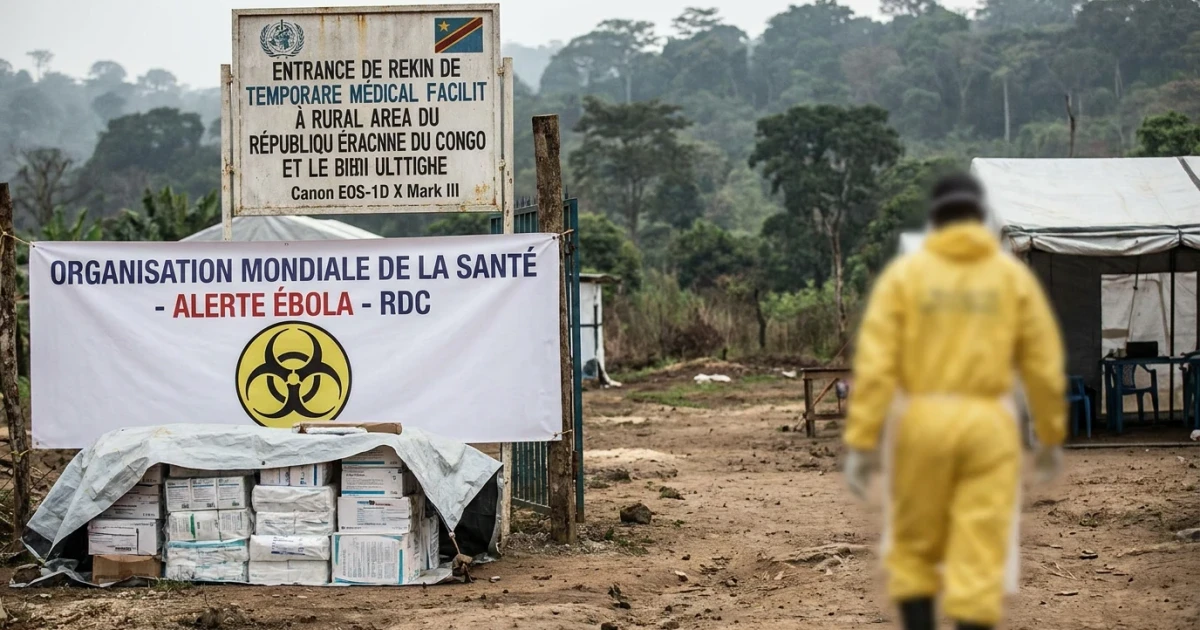
The World Health Organization (WHO) has raised its risk assessment for the ongoing Ebola outbreak in the Democratic Republic of the Congo (DRC), warning that the virus is spreading rapidly across affected regions. The statement, made by the WHO chief, underscores growing international concern as health authorities scramble to contain new infections and prevent regional spillover.
Escalating Outbreak Prompts Higher Risk Level
According to the latest official WHO updates, the Ebola outbreak in the DRC has accelerated in recent weeks, with new cases emerging in both urban and rural communities. The rapid increase in infections has prompted the WHO to upgrade its risk assessment, highlighting the potential for the outbreak to overwhelm local health systems and possibly cross borders if not swiftly contained.
While specific case numbers were not disclosed in the initial announcement, recent WHO situation reports indicate that the DRC has experienced several Ebola flare-ups since 2018, with the latest surge raising concerns about containment challenges in remote and conflict-affected areas. The WHO's decision to increase the risk level reflects both the pace of transmission and the complexity of the response effort.
Challenges Facing Health Responders
- Geographic Spread: The outbreak has reached multiple provinces, including densely populated and remote regions, making surveillance and contact tracing difficult.
- Security Concerns: Ongoing instability and violence in parts of the DRC often disrupt health interventions, exposing both responders and communities to additional risk.
- Resource Constraints: Limited medical infrastructure and supplies remain a major obstacle for local and international teams working to contain the virus.
The WHO has emphasized the importance of Ebola virus disease prevention measures, including early detection, isolation of suspected cases, safe burial practices, and community engagement. However, implementing these strategies is particularly challenging in the DRC's humanitarian landscape, as documented in UN OCHA's humanitarian data.
Regional and Global Implications
The WHO's upgraded risk assessment is a call to action for neighboring countries and the international community. Past Ebola outbreaks in the DRC have demonstrated the potential for cross-border transmission, particularly in regions with porous borders and frequent population movement. The CDC's recent summaries point to the importance of regional coordination, robust surveillance, and strong laboratory networks to manage such threats.
Looking Ahead
As the outbreak evolves, the WHO and partner organizations are likely to intensify their support for the DRC's health ministry, deploying additional personnel, resources, and vaccines where feasible. The situation remains fluid, and continued international attention will be critical to supporting containment efforts and preventing wider spread.
The WHO's decision to heighten its risk assessment serves as a stark reminder of the persistent challenges Ebola poses in Central Africa and the necessity for sustained vigilance, investment, and community partnership in outbreak response.