Health
WHO Reports Rise in Bundibugyo Ebola Cases and Deaths
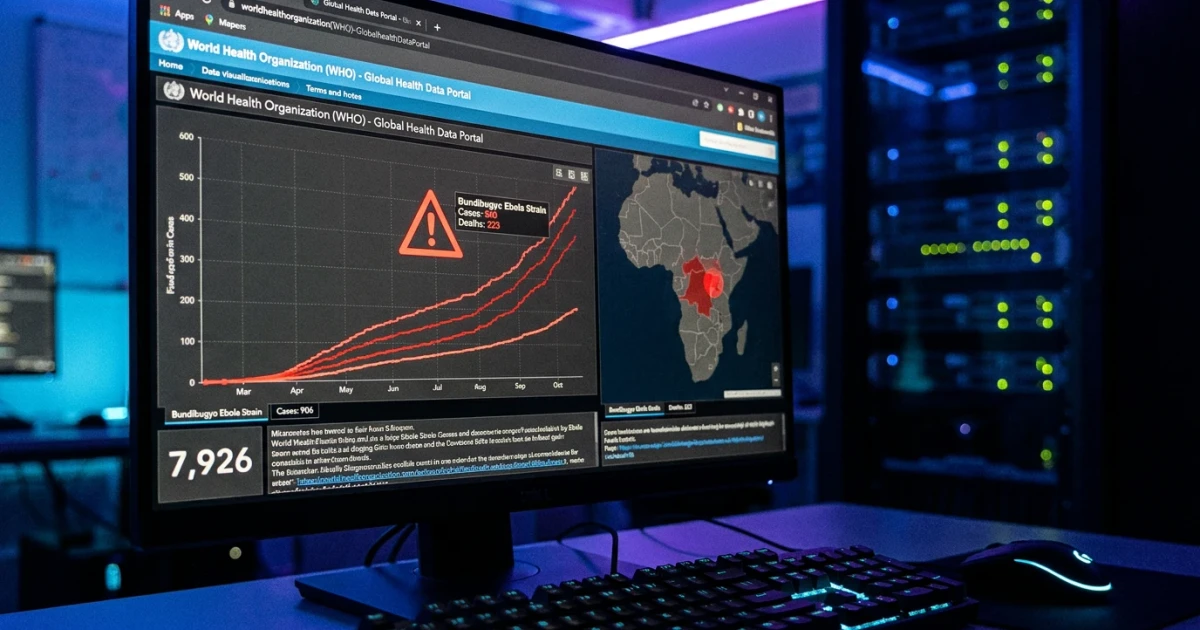
The World Health Organization (WHO) has reported a significant increase in suspected cases and deaths from the Bundibugyo strain of Ebola, with 906 suspected cases and 223 deaths documented as of late May 2026. The figures highlight the ongoing challenges in managing and containing Ebola outbreaks in affected regions, particularly in the Democratic Republic of Congo and neighboring areas.
Recent Surge in Suspected Cases and Deaths
Data released by the WHO and reported by KSL.com indicates that the Bundibugyo strain—one of several known Ebola virus species—has been responsible for a marked surge in both suspected infections and fatalities. The latest totals underscore the severity of the current outbreak, which is unfolding alongside wider concerns about local distrust and insecurity hampering public health responses.
- 906 suspected cases of Bundibugyo Ebola have been identified.
- 223 deaths have been attributed to this outbreak.
The WHO’s official disease outbreak reports provide detailed case counts and epidemiological tables, which are regularly updated as the situation evolves.
Understanding the Bundibugyo Ebola Strain
The Bundibugyo strain, first identified in Uganda in 2007, is one of several Ebola virus species known to cause human illness. According to the WHO Ebola Virus Disease Fact Sheet, the virus is transmitted through direct contact with bodily fluids of infected individuals or contaminated materials. Symptoms typically include fever, severe headache, muscle pain, vomiting, diarrhea, and in severe cases, internal and external bleeding.
While the Bundibugyo strain is considered less deadly than the Zaire Ebola virus species, outbreaks still carry high fatality rates and present serious challenges for healthcare workers. The CDC’s Ebola outbreak data shows that previous Bundibugyo outbreaks have resulted in case fatality rates ranging from 25% to 36%.
Challenges in Outbreak Response
Efforts to contain the current outbreak are complicated by factors such as community distrust, misinformation, and local insecurity. KSL.com notes that WHO leadership, including its chief, has traveled to Congo in an effort to coordinate response efforts and address challenges on the ground. Distrust of health authorities and resistance to control measures can delay identification, isolation, and treatment of cases, increasing the risk of further transmission.
According to peer-reviewed outbreak analysis, successful containment of Bundibugyo Ebola outbreaks requires rapid case detection, effective contact tracing, community engagement, and robust infection prevention protocols in health facilities. The WHO’s official updates also emphasize the need for international support and coordination to resource-constrained regions.
What Comes Next
The continued rise in suspected cases and deaths highlights the urgency for intensified public health action. As the WHO and local authorities work to bring the outbreak under control, the international community remains watchful for signs of further spread. Ongoing surveillance, transparent communication, and community engagement will be critical to containment efforts.
For readers seeking more information, the WHO and CDC maintain comprehensive outbreak data and background on Ebola virus disease, including the Bundibugyo strain, its characteristics, and recommended response strategies.