Health
WHO says up to 45% of dementia cases may be preventable
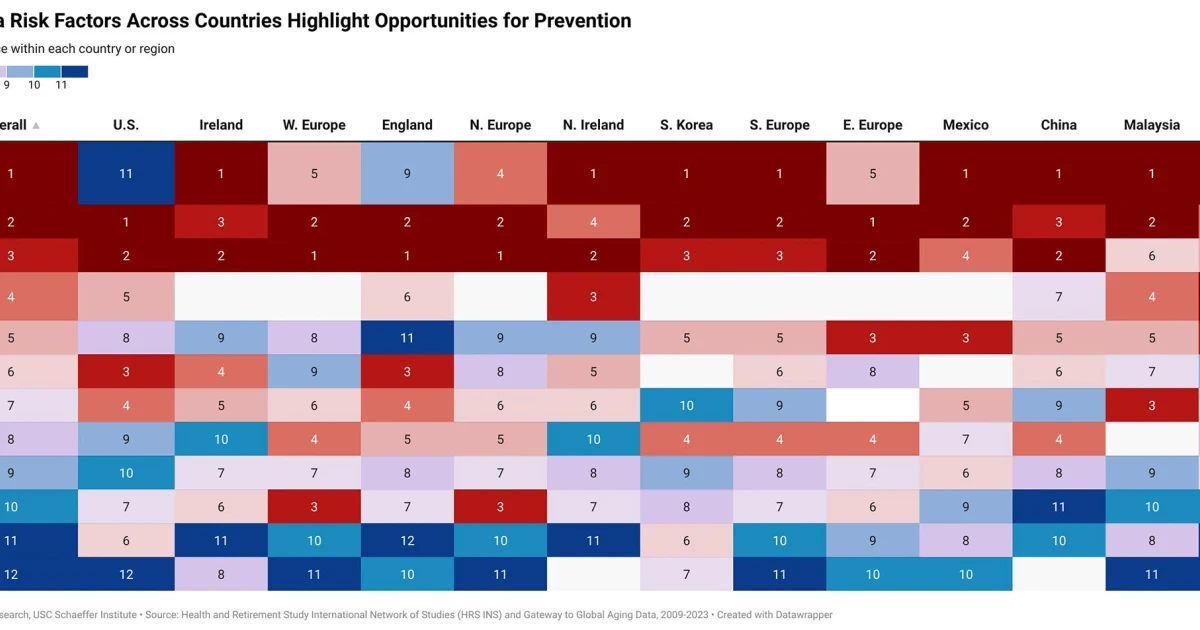
The World Health Organization updated its dementia prevention guidance on Wednesday, saying as many as 45% of cases may be preventable or delayed by addressing modifiable risks over a lifetime. The agency’s second edition of its risk-reduction guidelines moves dementia prevention out of the narrow frame of old age and toward a life-course approach that starts long before symptoms appear.
The numbers behind the warning remain stark. WHO said 57 million people were living with dementia worldwide in 2021, with more than 60% in low- and middle-income countries. Nearly 10 million new cases are diagnosed each year, and Alzheimer’s disease accounts for roughly 60% to 70% of all dementia cases. WHO also says there is still no widely available curative treatment, a gap that gives prevention unusual weight in public health planning.
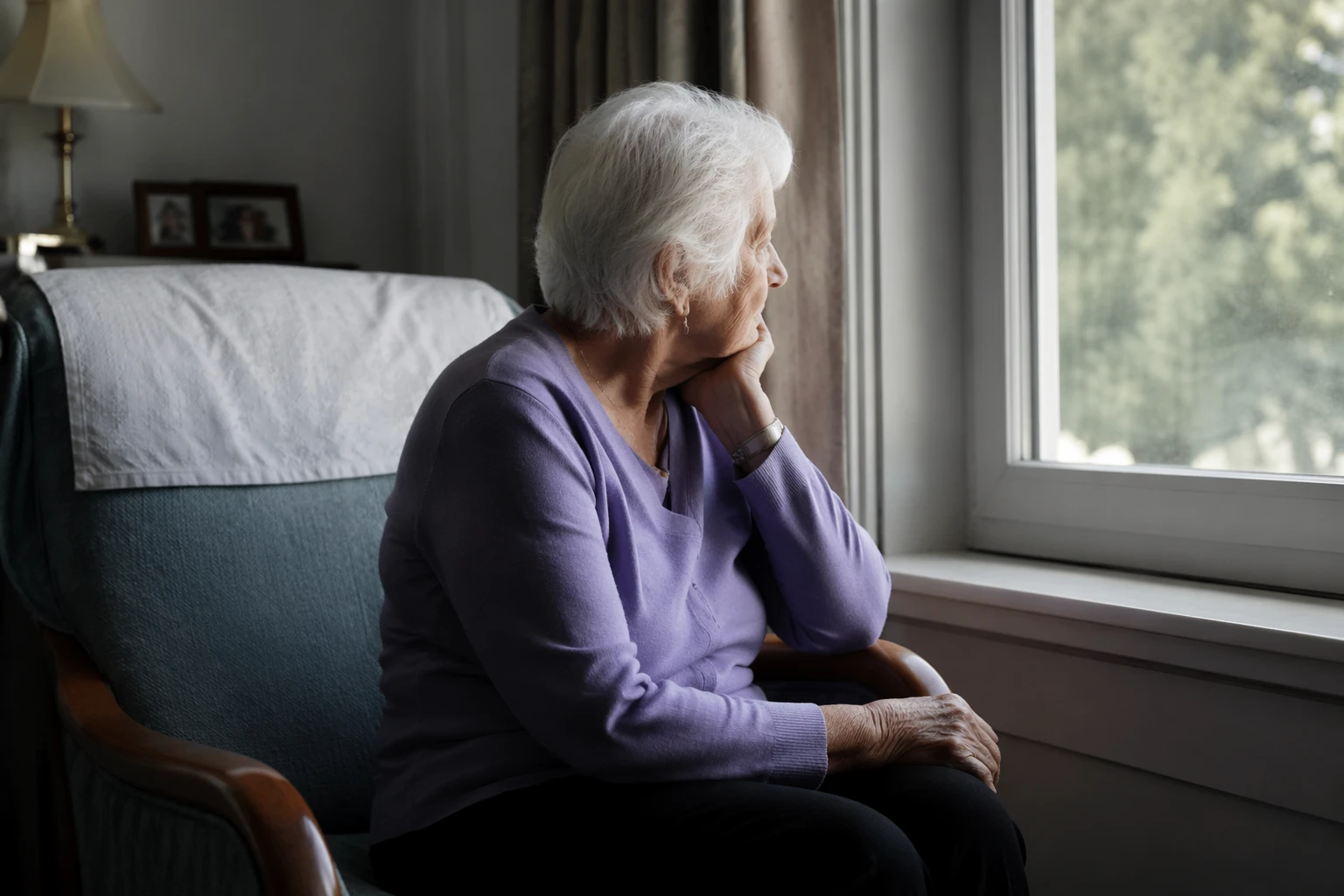
The updated guidance expands the evidence base since WHO’s first edition in 2019 and is aimed at health-care providers, policy-makers and other stakeholders. That matters because the agency is not describing dementia as a condition that can be managed only in memory clinics or nursing homes. It is treating it as a public health problem that can be addressed through the same kinds of policies used to reduce other noncommunicable diseases: better blood-pressure control, smoking reduction, more physical activity and broader action on environmental risks such as air pollution.
That broader frame also carries a U.S. question. If dementia risk is shaped by blood pressure, tobacco use, exercise, and exposure to polluted air, then prevention depends on more than individual choice. It depends on whether primary care, workplaces, insurers and aging programs are set up to make those choices realistic, affordable and routine rather than optional. The guidance points toward a system that catches risk early instead of waiting for diagnosis, disability and expensive long-term care.
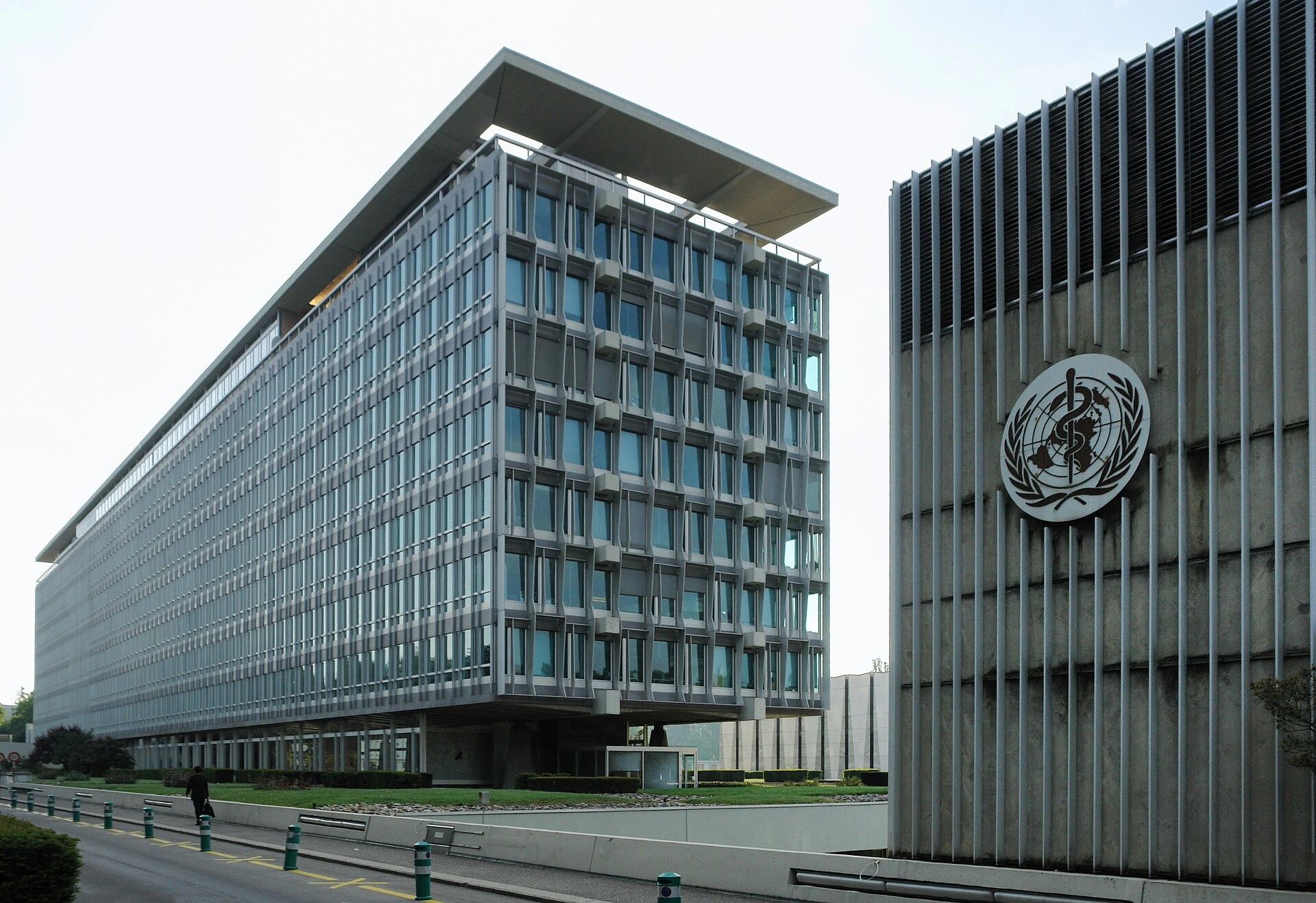
WHO marked the release with a global webinar on July 16 featuring people with lived experience, scientific experts and country representatives, signaling that the update is meant to influence both clinical practice and national policy. The urgency is rising as Alzheimer’s Disease International projects that the number of people living with dementia could climb to 139 million by 2050, with the sharpest increases expected in lower-income countries.
Sources
- [1]who.int
- [2]news.un.org
- [3]alzint.org