US News
Who should pay on a first date? Brits still disagree
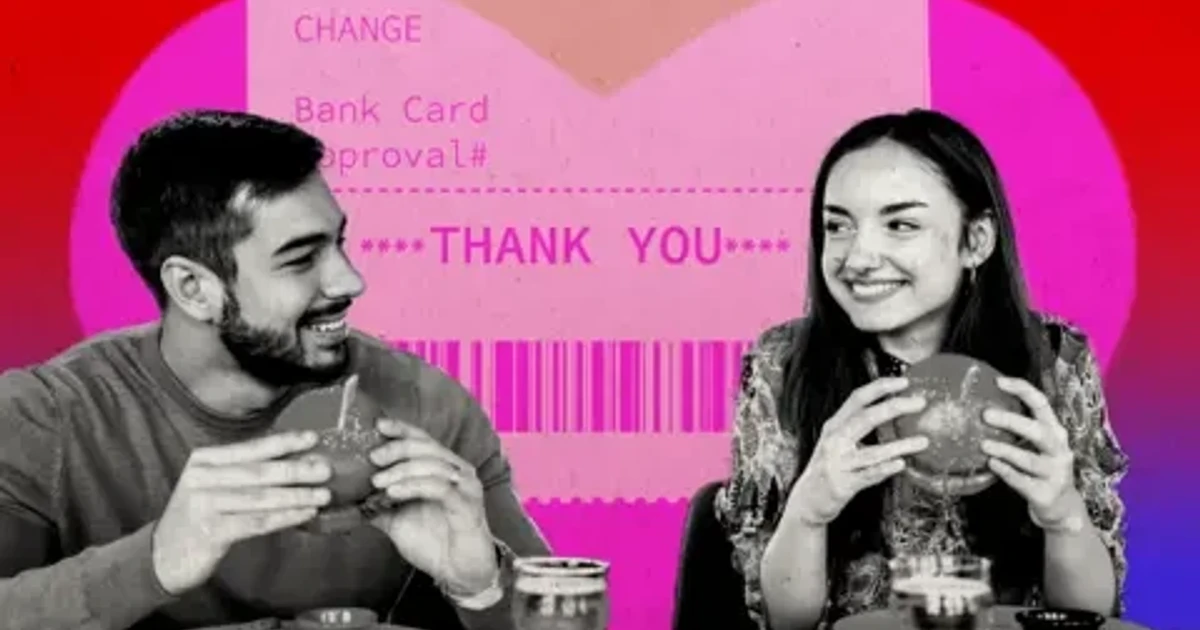
The first-date bill is no longer a small etiquette question. In Britain, it has become a live argument about gender roles, equality, generosity and who holds the power when two people sit down to eat. Rising costs have only made the question sharper, because the price of a date now shapes not just what people spend, but how they read interest, intent and respect.
The bill now carries more meaning than the meal
Recent reporting has made clear that who pays on a first date is rarely just about money. A 2025 CNBC Select article said the choice can signal attitudes about gender, equality, generosity and power dynamics, and it noted that the answer often depends on who asked whom, income differences and cultural expectations. U.S. News has made the same basic point: the person who initiated the date is often expected to cover the cost, but income, age, gender and culture all matter.
That is why the subject keeps resurfacing instead of fading. The first-date check is where abstract views on modern relationships meet a practical question that arrives in real time, in public, with the waiter standing nearby. For many people, the moment can feel like a referendum on fairness and masculinity as much as romance.
Britain is split, and the split is not small
The numbers show that traditional expectations still have real staying power. CNBC Select cited a 2019 EliteSingles survey of 300,000 singles in which 63% of men and 46% of women said men should pay on the first date. That is a sizable gap, and it suggests that even as more people talk about equality, many still connect male payment with chivalry, seriousness or attraction.
But the case for splitting the bill is also well established. A 2024 Aqua survey found that 27% of Brits believed a first date should be split evenly. That is not a majority, but it is enough to show that Britain is not locked into one etiquette code. The country is living with two ideas at once: the old expectation that a man pays, and the newer instinct that the fairest approach is to split.
Cost-of-living pressure is changing how people date

Money is not just shaping opinions about etiquette. It is changing whether people date at all. Aqua found that 54% of singles said they were not dating in the current financial climate, a striking sign that the cost of going out has become part of the dating calculation itself. The same survey said only 36% of women were currently dating in 2024, compared with 58% of men, suggesting that financial pressure and dating participation are not felt evenly across the population.
The price expectations are revealing too. Aqua said Brits thought a first date should cost about £45, but they were actually spending about £38 in 2024. That average spend had risen from £31 in 2023 to £38 in 2024, so the first-date bill is moving upward even as many people feel more cautious. In other words, the etiquette debate is happening inside a broader squeeze, where the social cost of dating and the financial cost of dating are both rising at the same time.
The handover of the bill is its own social ritual
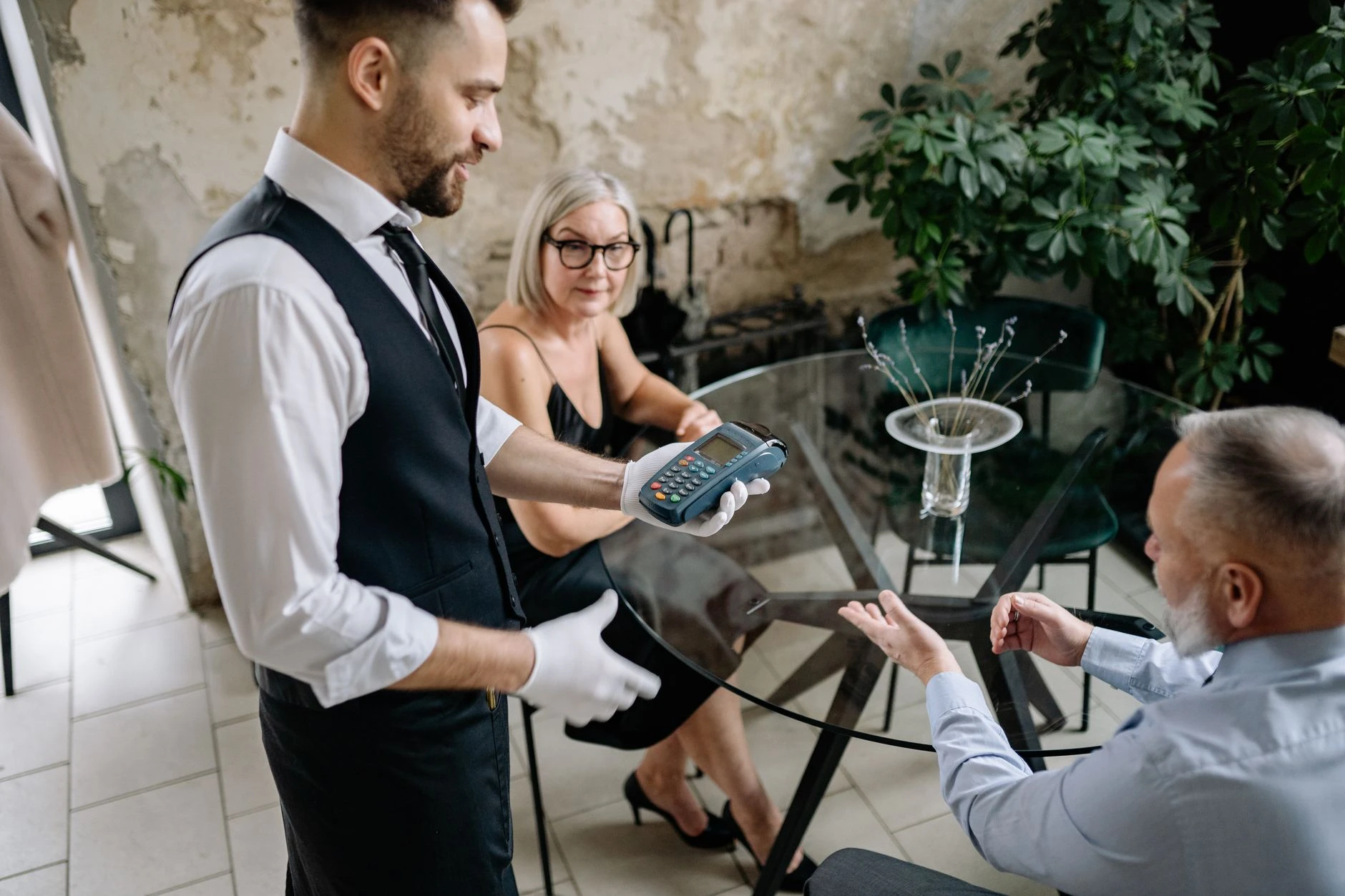
The moment the bill arrives often carries more meaning than either person admits. Research on the UK reality series First Dates has examined payment-offer sequences, which underlines how carefully these exchanges are read. The issue is not simply whether one person reaches for the card. It is what happens before, during and after the offer, and what each gesture seems to say about interest, pride, control and expectations.
That helps explain why these conversations can feel so charged. A bill can be interpreted as generosity, but also as entitlement. Refusing to split can be read as romance by one person and as a warning sign by another. Even an awkward pause can become a signal, which is why the check often ends up doing far more social work than the meal itself.
How to read the room without turning the date into a contest
The most useful guide is to treat the first-date bill as a live negotiation shaped by context, not a fixed rule. CNBC Select and U.S. News both point to the same variables: who asked, what each person earns, what age and culture shape the exchange, and whether the people involved see payment as a gesture or an obligation. That means the “right” answer is less about ideology than about whether both people understand the same script.
A practical reading of the current landscape looks like this:
• If one person clearly initiated the date, many people still expect that person to offer payment first. • If income differences are obvious, a rigid 50-50 split may feel fair to one person and strained to another. • If either person sees the check as a test, the date is already carrying too much symbolic weight. • If both people want equality, saying so early can prevent embarrassment later.
That may sound like a small etiquette problem, but the numbers show it is tied to bigger shifts. The 63% of men and 46% of women who told EliteSingles that men should pay, the 27% of Brits who back splitting the bill, and the 54% of singles saying they are not dating in the current financial climate all point in the same direction: the first-date bill is where economic strain and social change meet.
What Britain’s divide says about modern masculinity
At bottom, this is not just about who reaches for the card. It is about what people think generosity looks like, what they expect from men, and whether fairness means sameness or accommodation. In a period when dating costs are rising and people are more cautious about how they spend, the first-date bill has become a proxy for broader negotiations over romance, status and modern masculinity.
Britain still disagrees because the country is not debating a restaurant bill in isolation. It is debating what courtesy should mean when old scripts are losing authority but have not yet disappeared. That is why the first-date check keeps mattering: it is a small moment with a large amount of social truth packed into it.
Sources
- [1]bbc.com
- [2]cnbc.com
- [3]aquacard.co.uk
- [4]sciencedirect.com
- [5]usnews.com