Health
WHO warns Ebola response in Congo funded at less than half needed
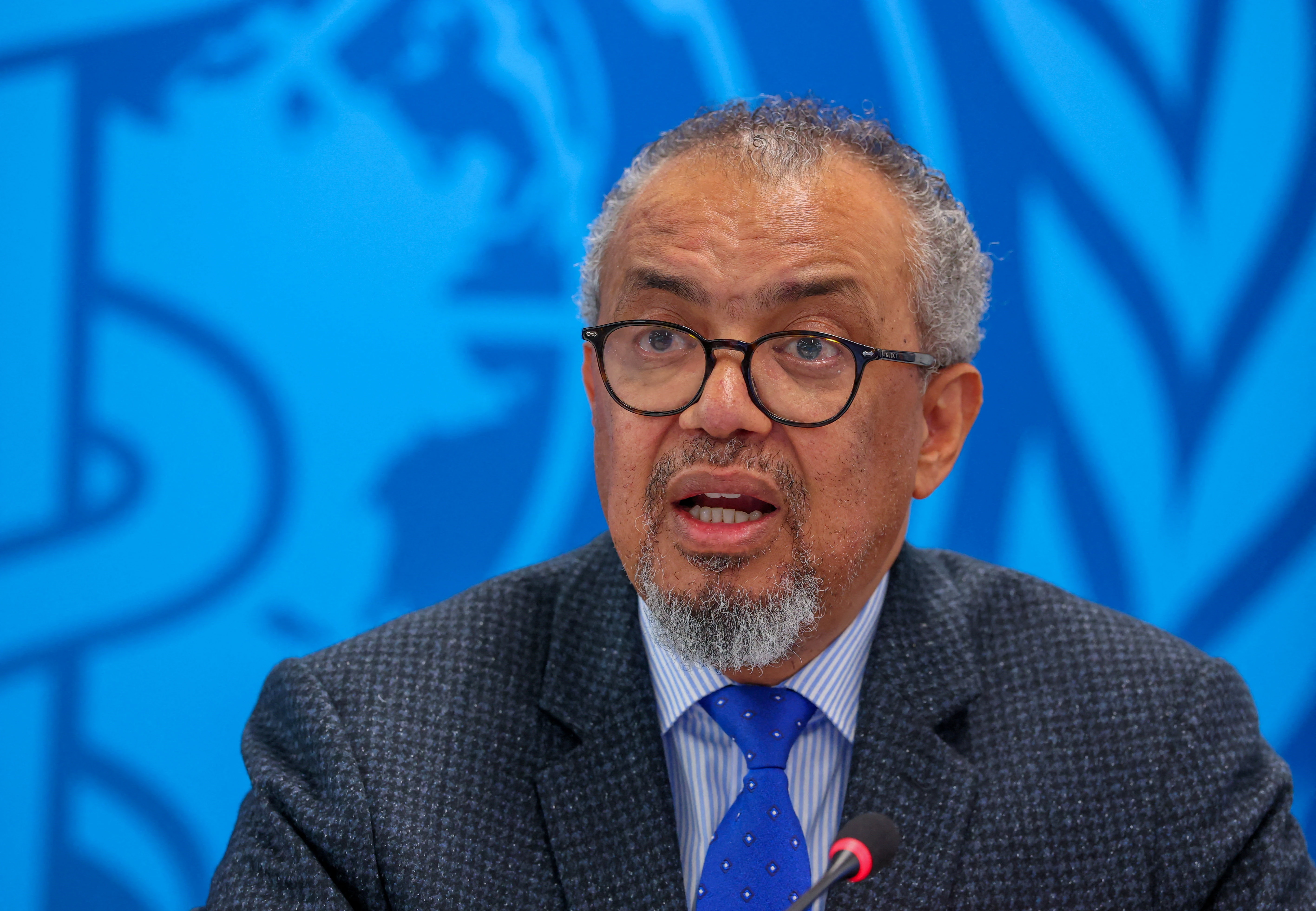
Only about 40% of WHO's $115 million appeal for its Ebola response in eastern Democratic Republic of Congo is in hand, even as the outbreak spreads into Uganda. Dr. Chikwe Ihekweazu said the real scale is likely far larger than the official count, with modeling and field support suggesting infections may be two to four times higher than the cases being detected.
The outbreak was declared on May 15, 2026, after Congo’s health ministry and Uganda’s health ministry confirmed Ebola disease caused by Bundibugyo virus. The strain has no licensed vaccine or specific treatment, and past Bundibugyo outbreaks have had case fatality rates between 30% and 50%, according to WHO. Supportive care can save lives, but only if patients are found early and brought into treatment quickly.
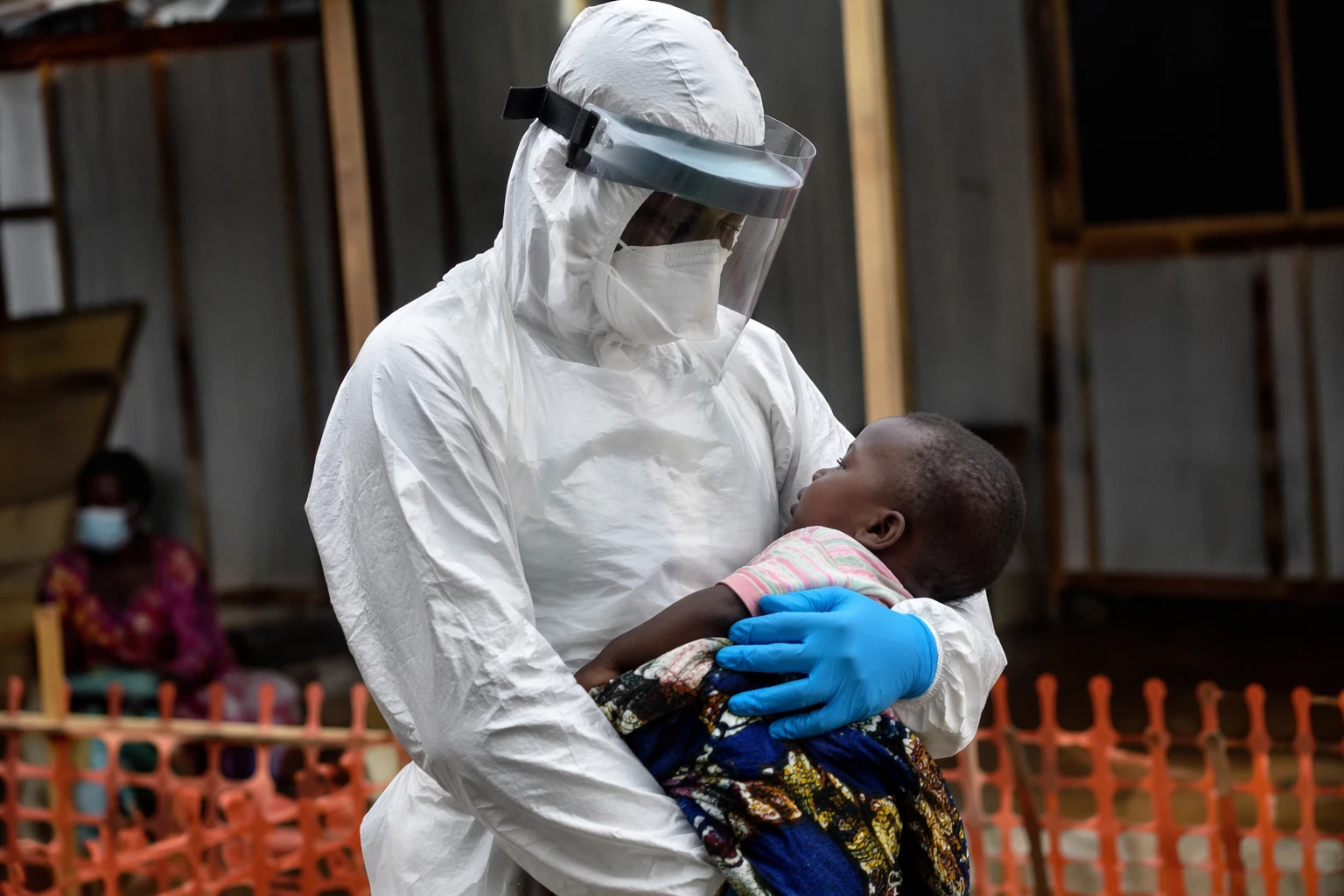
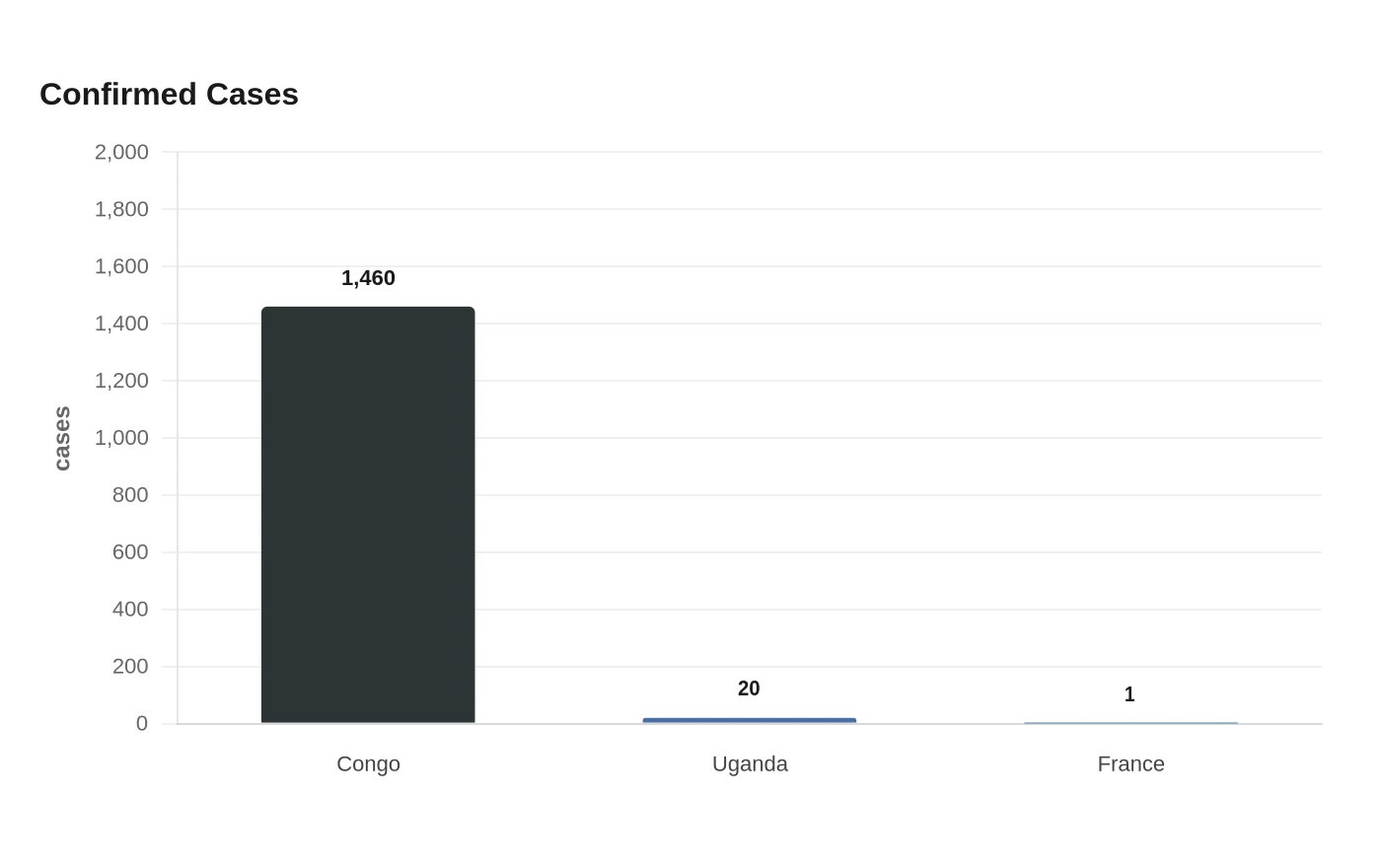
By July 1, Congo had reported 1,460 confirmed cases and 452 deaths. Uganda had reported 20 confirmed cases, two deaths and one probable death as of July 2, while French authorities notified WHO on June 24 of a laboratory-confirmed case in a doctor who had returned from Congo. Expanded surveillance, testing and diagnostic capacity, including backlog testing, drove the rise in reported cases, and UN officials have warned that many new infections are still coming from unknown chains of transmission.
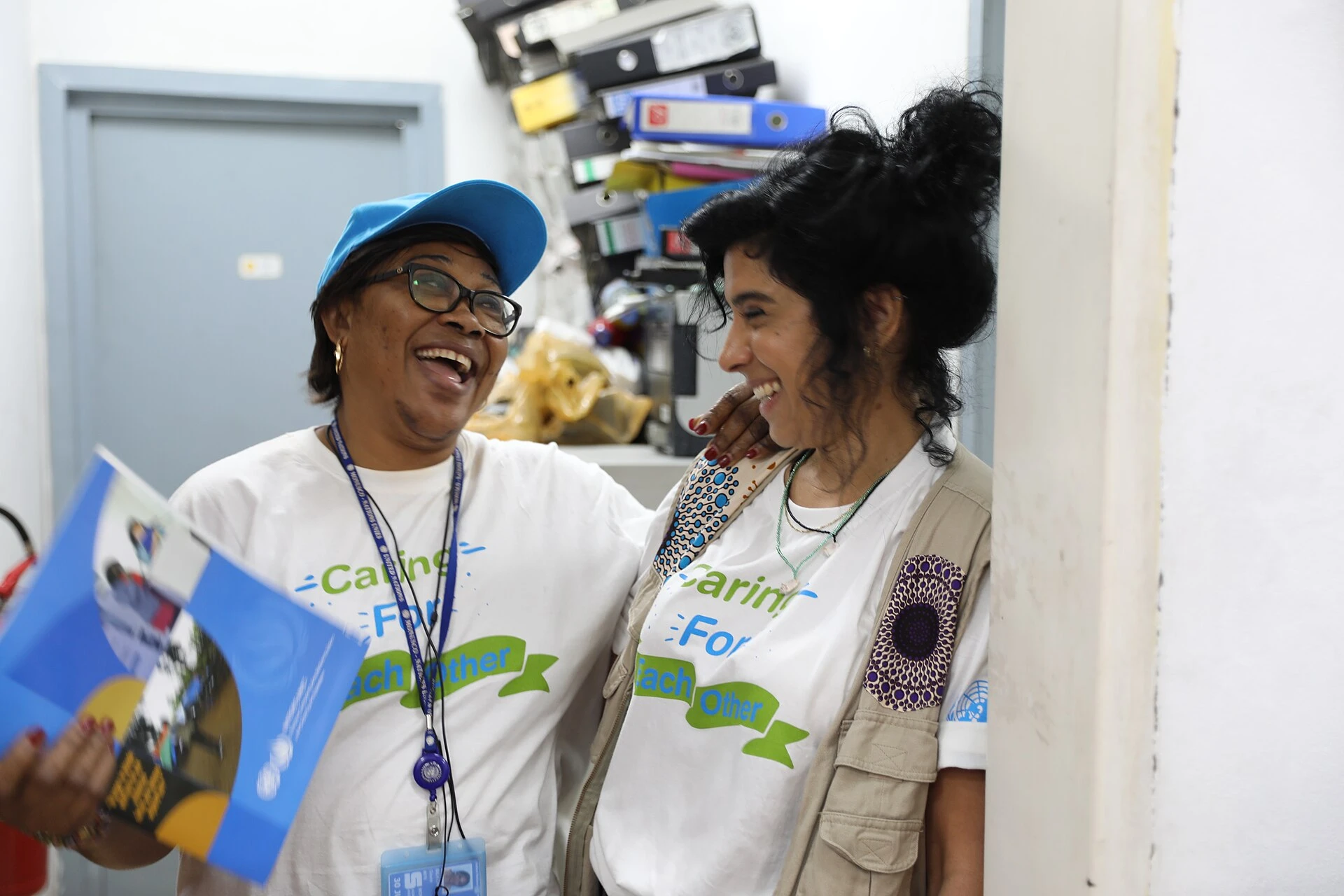
The outbreak is unfolding in a humanitarian crisis setting marked by insecurity, remoteness, dense population and heavy cross-border movement and trade. That mix has made contact tracing, isolation and safe referrals harder, especially in eastern Congo, where health workers are also trying to maintain infection prevention and control, laboratory testing and community engagement across a fast-moving epidemic. The agency has scaled up surveillance, contact tracing, clinical preparedness, supply delivery, community outreach and cross-border preparedness, but its finances have not kept pace with the work in front of it.
Sources
- [1]usnews.com
- [2]who.int
- [3]news.un.org