World
WHO warns Europe is unprepared for record-breaking heatwave

The World Health Organization said more than 1,300 excess deaths had been recorded in Europe since June 21 as a record-breaking heatwave pushed temperatures to 41.7C in Germany and 41.9C in the Czech Republic. Tedros Adhanom Ghebreyesus said Europe was the fastest-warming continent on Earth, heating at twice the global average, and called heat stress a "silent killer." He urged governments to put heat-health action plans in place before the next surge.
France showed how quickly those plans failed once temperatures spiked. Public Health France estimated around 1,000 additional deaths during the peak of the heatwave, with 85% of those deaths among people aged 65 and older. Deaths at home rose 40% during the same period, and red extreme-heat warnings covered about three-quarters of the country at the peak, a sign that alerts alone did not keep the most exposed residents alive.
The toll moved with the thermometer across central and eastern Europe. Germany set a new national high of 41.7C in Coschen, near the Polish border, overtaking the 41.5C reading recorded earlier in Drewitz the same day. The Czech Republic reached 41.9C at Doksany, while Poland logged an all-time record of 40.5C in Slubice. Berlin police used water cannons to help people cool off, an extraordinary response that underscored how quickly routine heat had become a public safety problem.
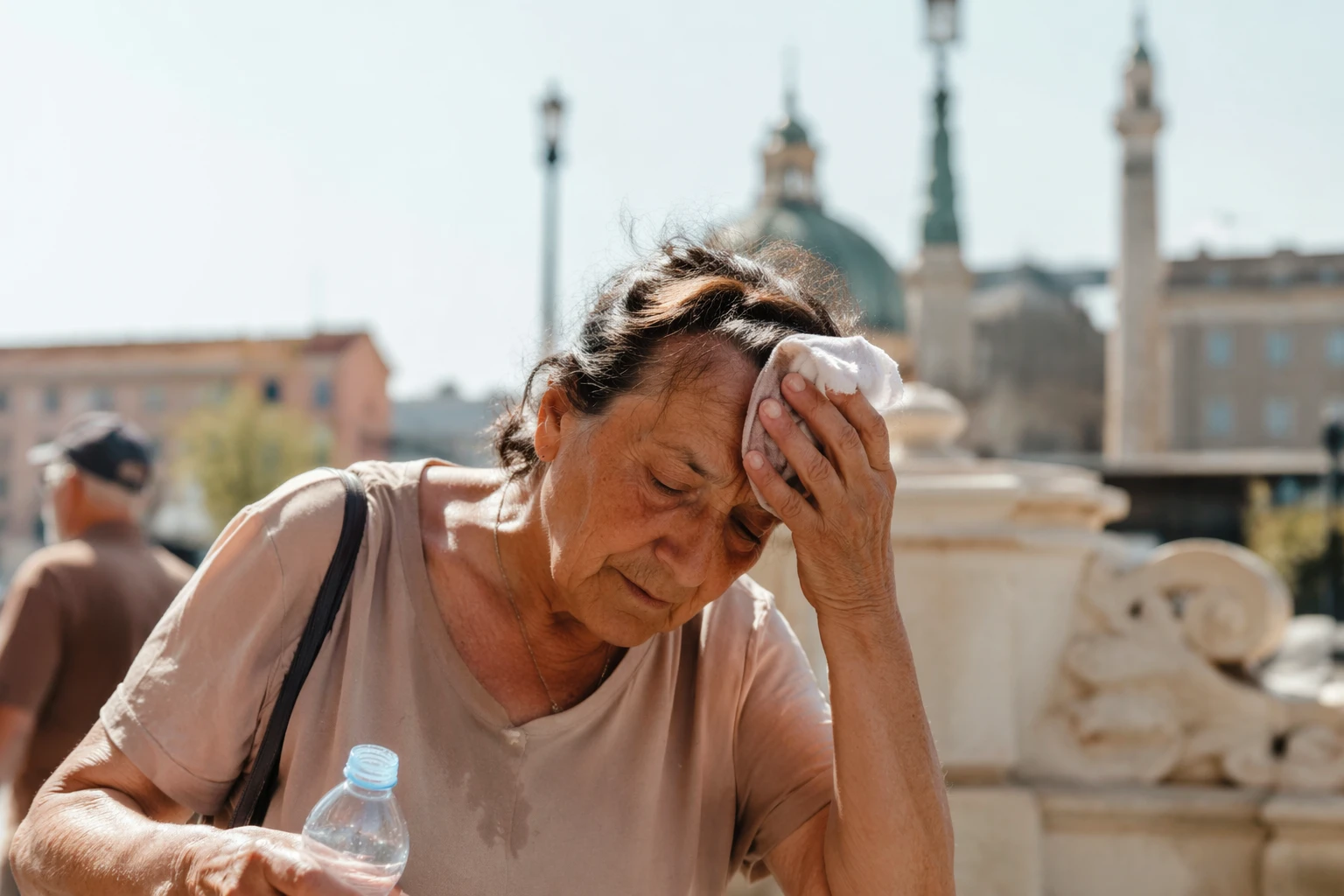
The disruption spread beyond emergency rooms and mortuaries. Alcohol bans were imposed in some places and mass gatherings were cancelled across parts of Europe. Road surfaces melted in Germany, rail tracks twisted in Sweden and hospital equipment was affected as temperatures rose. Scientists have said this level of heat and humidity would have been virtually impossible five decades ago and is now far more likely because of climate change. The deaths, concentrated among older people and those dying at home, pointed to a continent still relying on warnings after the danger had already arrived.
Sources
- [1]bbc.co.uk
- [2]pbs.org
- [3]france24.com
- [4]usnews.com