Health
Why a silent retreat became exactly what I needed

Elizabeth Hightower Allen drew lessons from 20 silent meditation retreats over 11 years. I went looking for relief, not enlightenment, and that is why a silent retreat makes sense to me: not to become a different person in a weekend, but to interrupt the noise that keeps burnout, rumination, and overstimulation running in circles. Silence can be a practical tool for self-discovery, steadier sleep, and better decisions.
What silence is designed to do
Silent retreat programs are structured periods of quiet, not punishment or withdrawal. Silence can support self-discovery, compassion, a deeper sense of purpose, and what Kripalu calls compassion in action. The Art of Living Retreat Center presents the experience as a path toward balance, mindfulness, self-love, spiritual growth, stillness, and inner calm. That framing separates silence from emptiness: the retreat is meant to replace constant input with a more deliberate kind of attention.
Quiet can feel unfamiliar at first. The Art of Living’s retreat material treats that discomfort as part of the process rather than a sign that something is wrong. In practice, the first benefit is often not a dramatic insight but a reduction in stimulation, which gives your mind fewer chances to keep replaying the same stressors.
Why the promise feels real, but only when you look closely
The strongest case for silence is not that it fixes everything. It creates conditions under which ordinary mental habits slow down enough to notice. In Elizabeth Hightower Allen’s March 11, 2025, Outside piece, “What I’ve Learned from 20 Silent Meditation Retreats,” she described lessons drawn from that long-running practice, which makes silence look less like a novelty and more like a disciplined practice.
That long-view matters because retreat culture can be mistaken for a one-off wellness purchase, a luxury version of self-care with a high price tag and a lot of branding. Allen’s experience suggests the real value comes when silence becomes something you return to, not something you consume once for the feeling of having “done” wellness. The Greater Good Science Center’s “Happiness Break: Finding Yourself in Silence” treats silence as a practice for self-understanding and reflection, not as a decorative pause from real life.
What the shorter version can do at home
You do not need a retreat center to test whether silence helps. In Good Housekeeping’s “I Sat in Silence for 30 Minutes Every Day for a Week and This is What Happened,” 30 minutes of silence a day for a week brought better sleep and less stress. That is a useful benchmark because it shifts the question from “Can I afford a retreat?” to “Can a brief, repeated silence actually change how I feel?”
That kind of repeated, short-form quiet is a far better test of function than a single luxurious escape. If quiet improves sleep, lowers stress, or makes the next conversation feel less charged, that is evidence of a behavioral reset. If it only produces a temporary glow that disappears the moment the calendar fills back up, then the retreat may have been pleasant without being especially useful.
Silence, happiness, and the trap of trying too hard
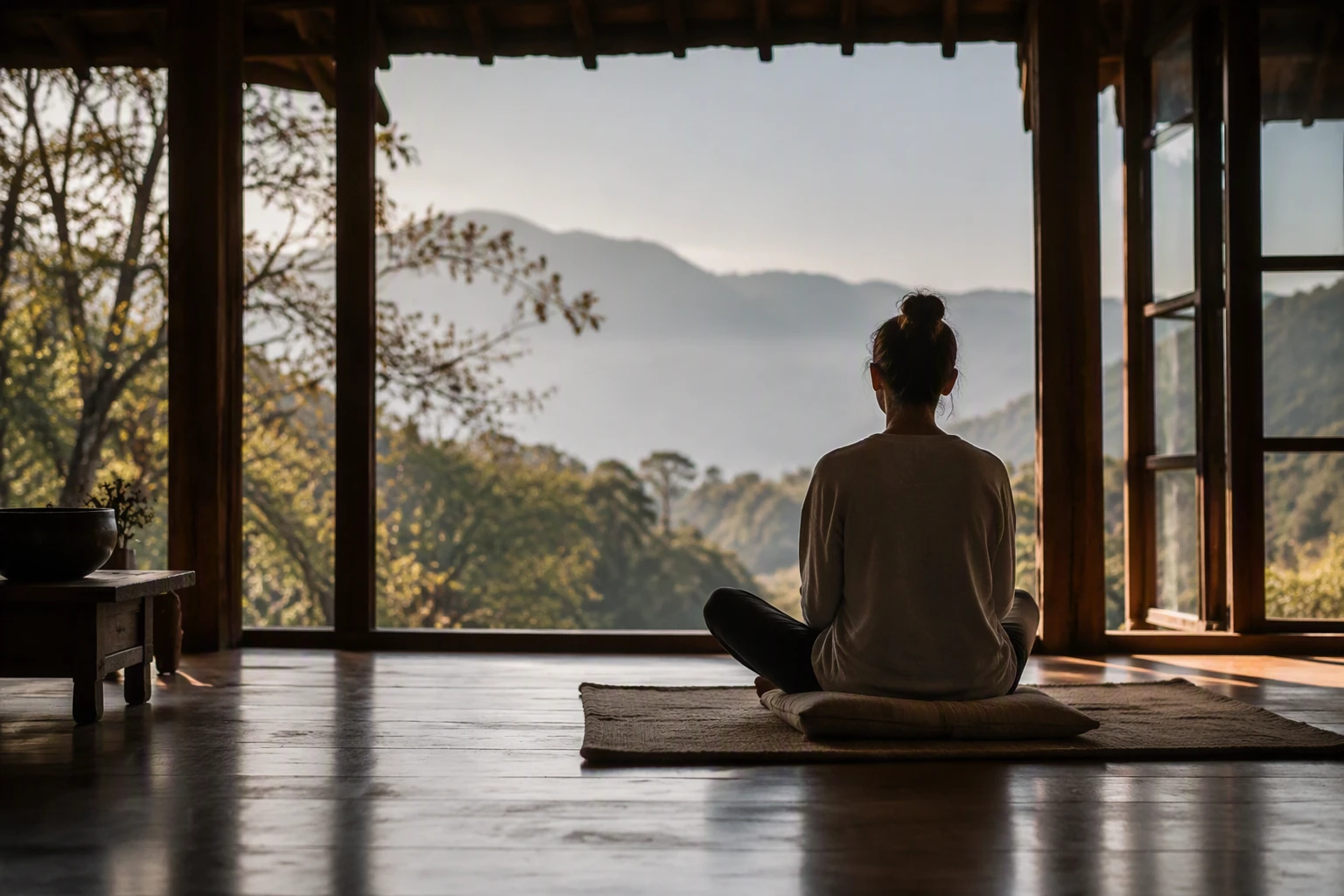
The psychological case for silence gets sharper when you compare it with the way people often chase happiness directly. In The Happiness Lab episode “The Happiness of Silence,” Laurie Santos says silence teaches students what psychology says about making wiser choices and living a happier, more fulfilling life. That is a subtle claim: silence is not instant joy, but the setting that makes better judgment more likely.
The cautionary side comes from the scholarly article “Can Seeking Happiness Make People Happy? Paradoxical Effects of Valuing Happiness,” available through PubMed Central. Valuing happiness too intensely can have unintended negative effects, which fits the retreat question neatly: when every moment becomes another project in self-improvement, the pressure itself can become part of the problem.
How to tell a meaningful reset from a wellness trend
The cleanest signal is whether the practice changes behavior in observable ways. Kripalu emphasizes purpose and compassion. The Art of Living focuses on balance and inner calm. Good Housekeeping found better sleep and less stress.
A useful reality check looks like this:
• Does the silence feel structured, with a clear beginning and end, or just expensive quiet?
• Does it leave you sleeping better, reacting less sharply, or thinking more clearly?
• Does it help you return to work, family, or decision-making with a steadier mind?
• Does it build reflection, or does it mainly create a story you can buy?