Technology
Why AI Literacy Is Essential for Today's Kids—and What Schools Can Do
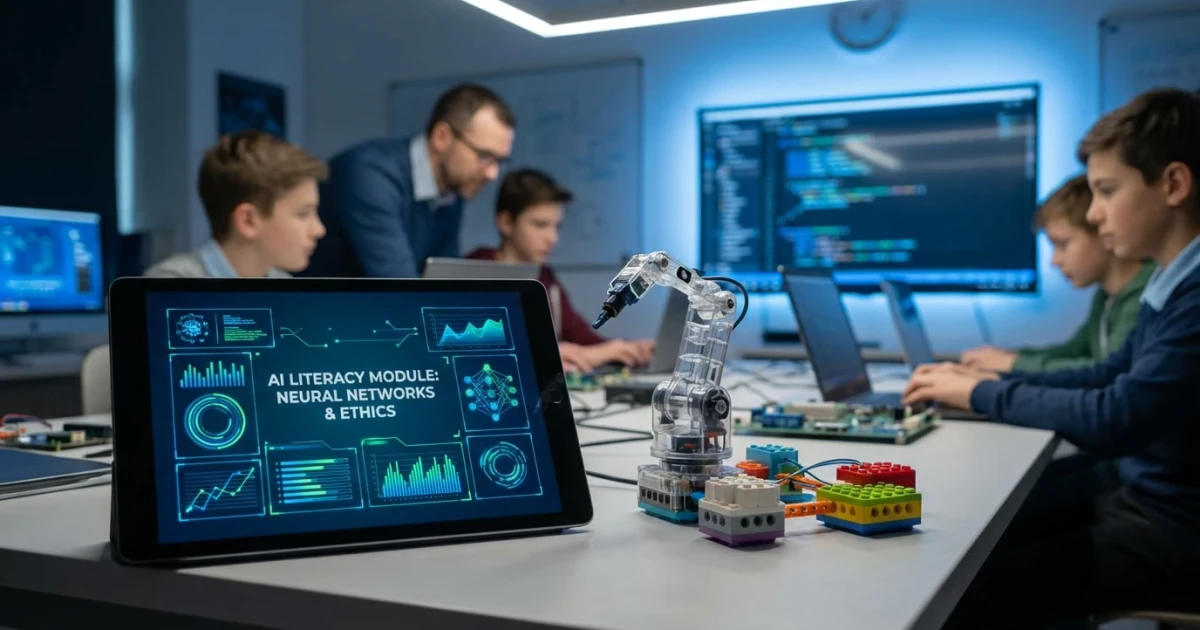
Artificial intelligence (AI) is rapidly transforming the world, from the way we communicate to the jobs we pursue. As AI becomes an integral part of daily life, educators and experts are sounding the alarm: it's time to prioritize AI literacy for kids to ensure the next generation can thrive in an increasingly automated world.
The Growing Impact of AI on Society
AI technologies are no longer the stuff of science fiction—they power the search engines students use, shape the content they see online, and play a role in everything from healthcare to finance. As these systems grow more sophisticated, understanding how AI works is becoming as crucial as traditional literacy and numeracy.
- AI is shaping industries like education, transportation, medicine, and entertainment.
- Everyday tools, including voice assistants and recommendation algorithms, rely on AI.
- The workforce of tomorrow will demand not just users of technology but creators and critical thinkers who understand AI principles.
Why AI Literacy Matters for Kids
AI literacy is about more than just coding or using technology; it's understanding how intelligent systems make decisions, their limitations, and their real-world implications. Building this foundational knowledge early empowers students to:
- Make informed decisions about technology use.
- Develop critical thinking skills to question AI-driven content and recommendations.
- Consider ethical questions around data privacy, bias, and fairness.
- Prepare for careers in emerging fields where AI will play a central role.
As AI tools become ubiquitous, the ability to understand and interact with them responsibly is increasingly viewed as a core competency, much like reading or mathematics.
Challenges and Gaps in Current Education
Despite AI's growing relevance, most school curricula have yet to integrate comprehensive AI education. Traditional computer science programs often focus on basic programming but do not cover topics such as:
- How machine learning algorithms work
- The social and ethical implications of AI
- How AI impacts jobs, privacy, and democracy
This gap risks leaving students unprepared for the challenges of a world driven by intelligent systems. Experts argue that without early exposure, children may become passive consumers of technology, rather than empowered participants in shaping its future.
What Schools and Policymakers Can Do
To address these challenges, educators and policymakers are encouraged to:
- Integrate AI concepts into existing subjects, such as math, science, and social studies.
- Provide professional development for teachers to understand and teach AI literacy.
- Adopt age-appropriate curricula that demystify AI and encourage ethical discussions.
- Partner with technology companies and nonprofits to bring real-world AI examples into the classroom.
Early efforts in some districts have shown promise, with students engaging in projects that explain how algorithms sort information, exploring the basics of neural networks, or debating the ethics of facial recognition technology.
Looking Ahead: Empowering the Next Generation
As AI becomes more embedded in every aspect of life, the call to embrace AI literacy for kids grows more urgent. Equipping students with these skills is not just about preparing them for high-tech jobs—it's about safeguarding democracy, privacy, and equity in a changing world.
By making AI literacy a priority, schools can ensure that all children—not just a privileged few—have the knowledge and tools to navigate, question, and shape the future of technology.
Sources
- [1]The 74