Entertainment
Why Astrology Remains Popular in Daily Life
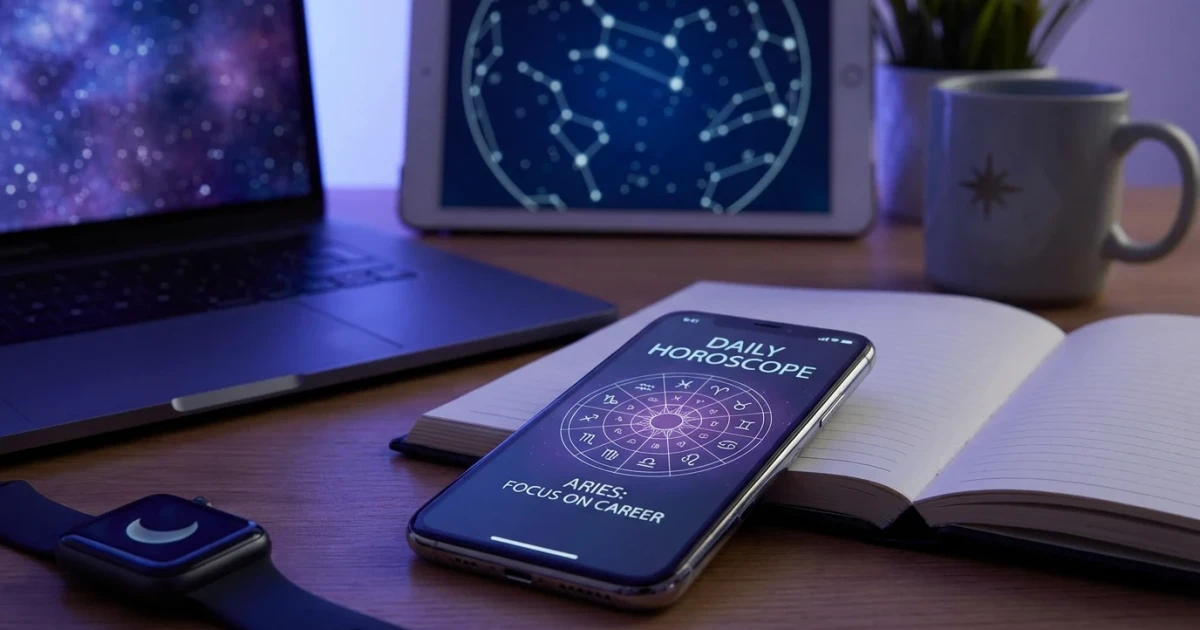
Astrology's enduring presence in daily life remains evident as millions of Americans seek guidance from horoscopes each day. On Monday, March 30, 2026, publications like SFGATE and the Chicago Sun-Times published daily forecasts, reflecting a centuries-old tradition that still resonates with readers across generations.
The Continued Appeal of Daily Horoscopes
Daily horoscopes, such as those authored by astrologers like Christopher Renstrom, offer personalized predictions for each zodiac sign. These columns, widely syndicated in newspapers and online, promise insight into relationships, career, and personal well-being. For many, reading a horoscope is a morning ritual—providing reassurance, entertainment, or a framework for interpreting the day ahead.
- Readers can explore detailed predictions for all zodiac signs, including archived forecasts, at Astrology.com Daily Horoscopes.
- Major outlets like SFGATE and the Chicago Sun-Times continue to feature daily astrology columns, underscoring the format’s broad appeal.
Who Believes in Astrology?
Surveys consistently show that astrology's popularity is not limited to any one group. According to Pew Research, approximately 29% of Americans say they believe in astrology. The data reveals interesting demographic splits:
- Belief is slightly more common among women than men.
- Younger adults, especially those under 30, express higher levels of interest and belief.
- Astrology’s appeal cuts across educational backgrounds, with college graduates nearly as likely as those without a degree to read horoscopes.
Statista corroborates these findings, showing that interest in astrology remains significant among Americans, with notable engagement among Gen Z and Millennials.
Horoscopes and Personal Identity
The daily horoscope phenomenon is intertwined with broader questions of identity and self-understanding. Many people know their sun sign—the zodiac sign linked to their birth date—and may even celebrate their birthdays according to astrological tradition. The CDC's data brief on births provides statistical tables that can be cross-referenced with zodiac sign distribution, revealing patterns in how Americans discuss their personalities or life paths.
Astrological concepts draw from a rich history, blending mythology, symbolism, and astronomy. For readers curious about the technical foundations of the zodiac, Time and Date offers a comprehensive explainer on how the system works, including planetary movements and the significance of each sign.
Astrology in the Digital Age
From print columns to smartphone apps, astrology has adapted to new technology. The rise of digital horoscopes means that readers can receive forecasts instantly, customize notifications, and even access in-depth birth chart analyses. Astro-Databank maintains extensive chart records and biographies of notable individuals, allowing enthusiasts to compare their own charts to those of public figures.
Reasons for Enduring Interest
- Astrology offers a sense of control and comfort in uncertain times.
- Horoscopes provide a simple way to reflect on one’s goals, relationships, and challenges.
- The language of astrology permeates popular culture, from memes to merchandise, further fueling its mainstream acceptance.
Conclusion: The Future of Daily Horoscopes
As daily horoscopes continue to appear in major publications and attract digital audiences, astrology’s place in American life appears secure. Whether approached with skepticism, curiosity, or genuine belief, these predictions offer a window into the hopes and anxieties of readers. With the enduring power of tradition and the adaptability of new media, astrology seems poised to remain a familiar feature in the daily routines of millions.