Politics
Why Congress Continues to Expand Presidential Power
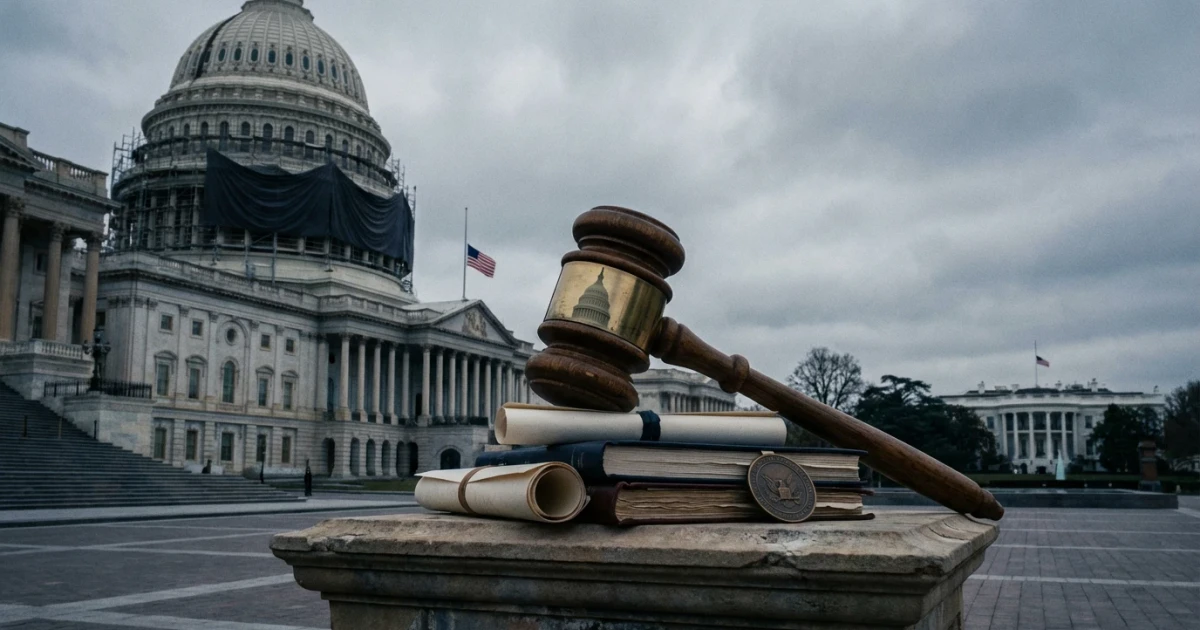
Recent years have seen Congress steadily ceding authority to the executive branch, a trend that has intensified during the Trump administration. Legal analysts and political observers note that this delegation of power has reshaped the balance of governance in Washington, raising significant questions about oversight and accountability.
Historical Roots of Congressional Delegation
Congress’s tendency to delegate power to the executive branch is not new. Over the past century, lawmakers have repeatedly authorized presidents to act in areas ranging from trade and national security to emergency management. This practice accelerated after World War II, as the complexity of modern governance outpaced Congress’s capacity to manage every detail of federal policy. According to a Congressional Research Service report, Congress has granted presidents broad discretion to issue executive orders and enact regulations within frameworks set by legislation.
Why Congress Hands Over Its Power
Several factors drive Congress’s willingness to yield authority:
- Political Expediency: Delegating tough decisions allows lawmakers to avoid blame for unpopular policies, especially in contentious policy areas like immigration, tariffs, and emergency response.
- Legislative Gridlock: Increasing polarization in Congress has made it harder to pass detailed legislation, so lawmakers often pass broad statutes, leaving implementation to the executive branch.
- Complexity of Issues: As federal programs have grown more technical, Congress increasingly relies on specialized agencies and executive expertise to manage implementation.
The Washington Post notes that this dynamic has become more pronounced as Congress struggles with internal divisions, often preferring to punt thorny issues to the White House rather than risk political fallout or legislative stalemate.
Trump’s Use of Delegated Powers
During the Trump administration, the pattern of executive action has continued and, in some cases, expanded. President Trump has made extensive use of statutory authorizations to issue executive orders and proclamations, notably on border security, trade, and public health emergencies. Data from GovTrack.us shows a significant number of bills introduced in Congress relate to presidential powers, reflecting ongoing debates about the scope and limits of executive authority.
Despite periodic calls for greater oversight, Congress has rarely moved to reclaim powers it has delegated, even as some members voice concern over potential abuses. A Government Accountability Office (GAO) report found that while Congress has the tools to review executive actions, it frequently fails to use them, with only a small fraction of executive actions subject to formal legislative disapproval.
Legal Boundaries and the Nondelegation Doctrine
The nondelegation doctrine is intended to limit how much authority Congress can transfer to the executive branch. In practice, however, the Supreme Court has allowed broad delegations as long as Congress provides an "intelligible principle" guiding the president’s actions. This legal standard has rarely been used to strike down federal laws, giving presidents considerable leeway.
Implications for American Democracy
Experts warn that continued delegation could erode the separation of powers designed to check and balance government authority. Supporters argue that flexibility is necessary for effective administration, especially during crises. The overall effect is a shifting center of gravity toward the executive branch, a change with significant ramifications for the future of American governance.
As Congress continues to grapple with internal divisions and the demands of modern policymaking, the pattern of delegating authority to the president—regardless of party—shows few signs of reversing. The debate over how much power Congress should retain, and how much it should entrust to the president, is likely to remain a central question in the American political system.