Politics
Why Count Binface and other novelty candidates keep standing in UK elections
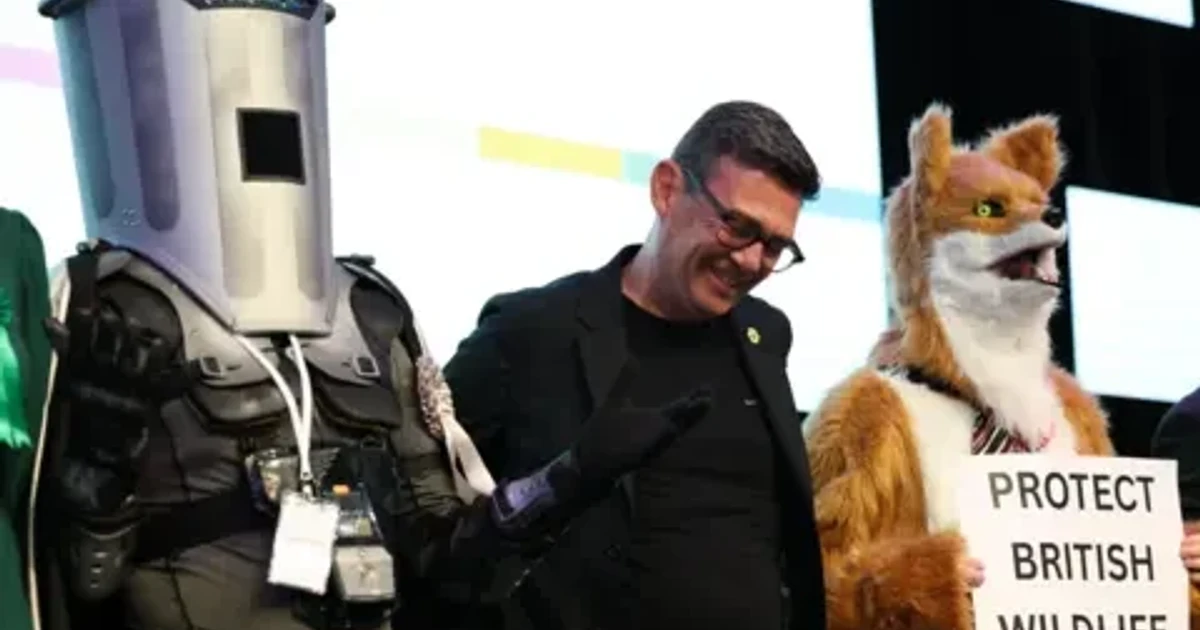
Count Binface is not standing because he expects to win. He is standing because British elections have long left room for satire, protest and political theatre, and because a ballot line can still be a sharp way to expose frustration with the system. That is why novelty candidates keep returning, election after election, even when they know the odds are against them.
A tradition with real political roots
Novelty and satirical candidates in the UK are often treated as comic relief, but the pattern is older and more durable than a one-off stunt. The House of Commons Library describes this kind of candidacy as a recurring feature of UK general elections, which places figures like Count Binface inside a recognisable democratic tradition rather than outside it. In that sense, the joke is also a signal: voters have long used eccentric candidates to register anger, impatience or distrust with mainstream politics.
The lineage is commonly linked to the Official Monster Raving Loony Party, which says it was formed on 16 June 1982 at the Golden Lion Hotel in Ashburton, Devon, by Screaming Lord Sutch and Howling Laud Hope. That origin story matters because it shows how tightly British political satire has become woven into the electoral landscape. These candidates are not a new glitch in the system; they are part of the system’s odd, persistent architecture.
How the ballot works, and why it matters
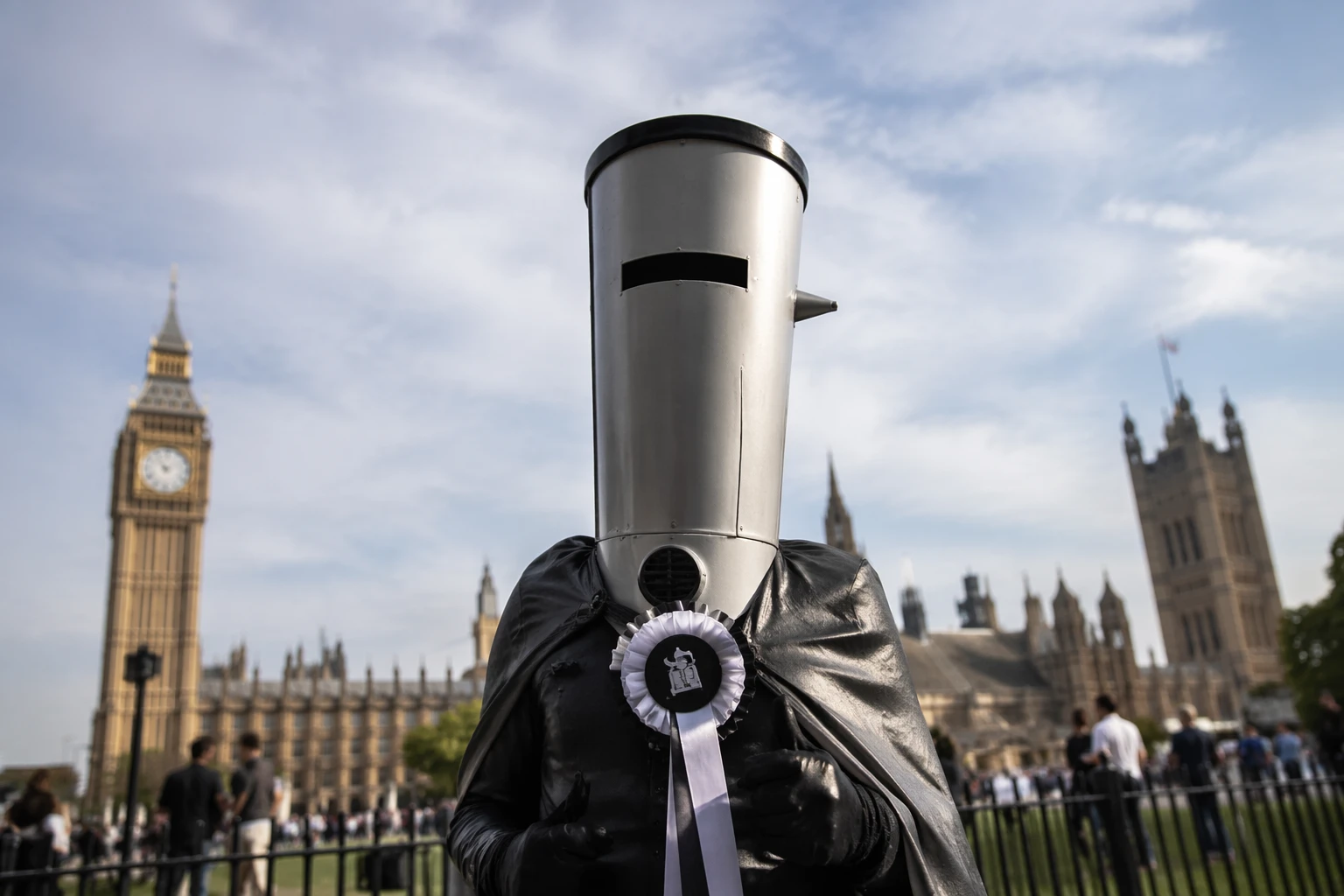
Standing as a candidate in a UK general election is not cost-free, even for the most eccentric campaign. Under parliamentary rules, a candidate must deposit £500 to stand, and that money is lost if the candidate wins 5% or less of the votes cast. If the candidate polls more than 5%, the deposit is returned, which makes the threshold both symbolic and practical.
The rules also shape how novelty campaigns operate behind the scenes. The Electoral Commission says candidates can only accept donations from certain mainly UK-based sources, and those donations have to be reported after the election. It also says candidate spending is regulated separately from party spending, so even a playful campaign has to live inside a serious compliance framework. The nomination itself must be valid by 4pm, 19 working days before polling day, which means satire still has to move on the timetable of formal democracy.
That structure is important because it keeps novelty candidacies from becoming pure spectacle. A costume, a parody name or a deliberately comic message may attract attention, but the candidate still has to meet the same legal obligations as everyone else. The rules make clear that this is not a loophole in democracy, it is democracy making space for dissent.
Why voters tolerate them, and sometimes welcome them
The endurance of these candidates says something about public mood as much as about political culture. In a system where many voters feel ignored, a satirical candidate can offer a low-risk way to express dissatisfaction without staying home. That does not mean every vote for a novelty candidate is anti-politics; often it is a protest against politics as it is currently practiced.
The 2024 UK general election showed how this can play out in a crowded, highly visible contest. Across Great Britain there were 48,224,212 registered electors, 28,809,340 valid votes and 116,253 invalid votes, a reminder of the scale and noise of modern elections. In that context, novelty candidacies are tiny in numerical terms, but they can still punch above their weight in public attention.
Uxbridge and South Ruislip offered a clear example. On 4 July 2024, Labour’s Danny Beales won the seat with a majority of 587 on a turnout of 61.4%, and Count Binface was among the candidates on the ballot. In a closely fought constituency like that, a satirical candidacy can feel less like a sideshow and more like part of the full political conversation, especially when the result is decided by a relatively small margin.
Satire, protest and meaningful participation
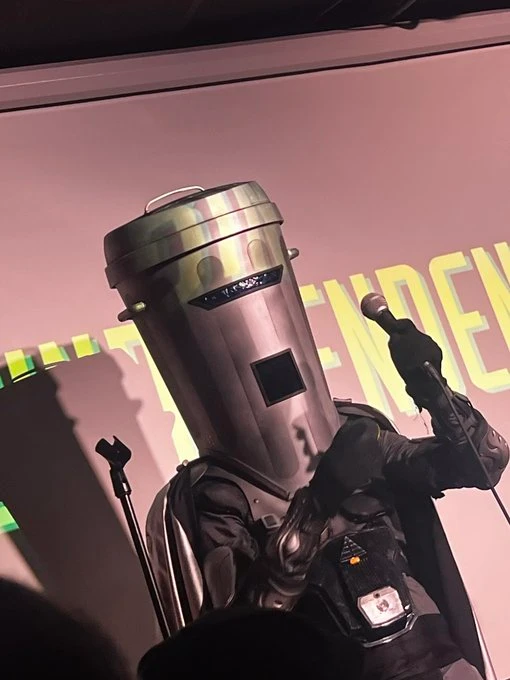
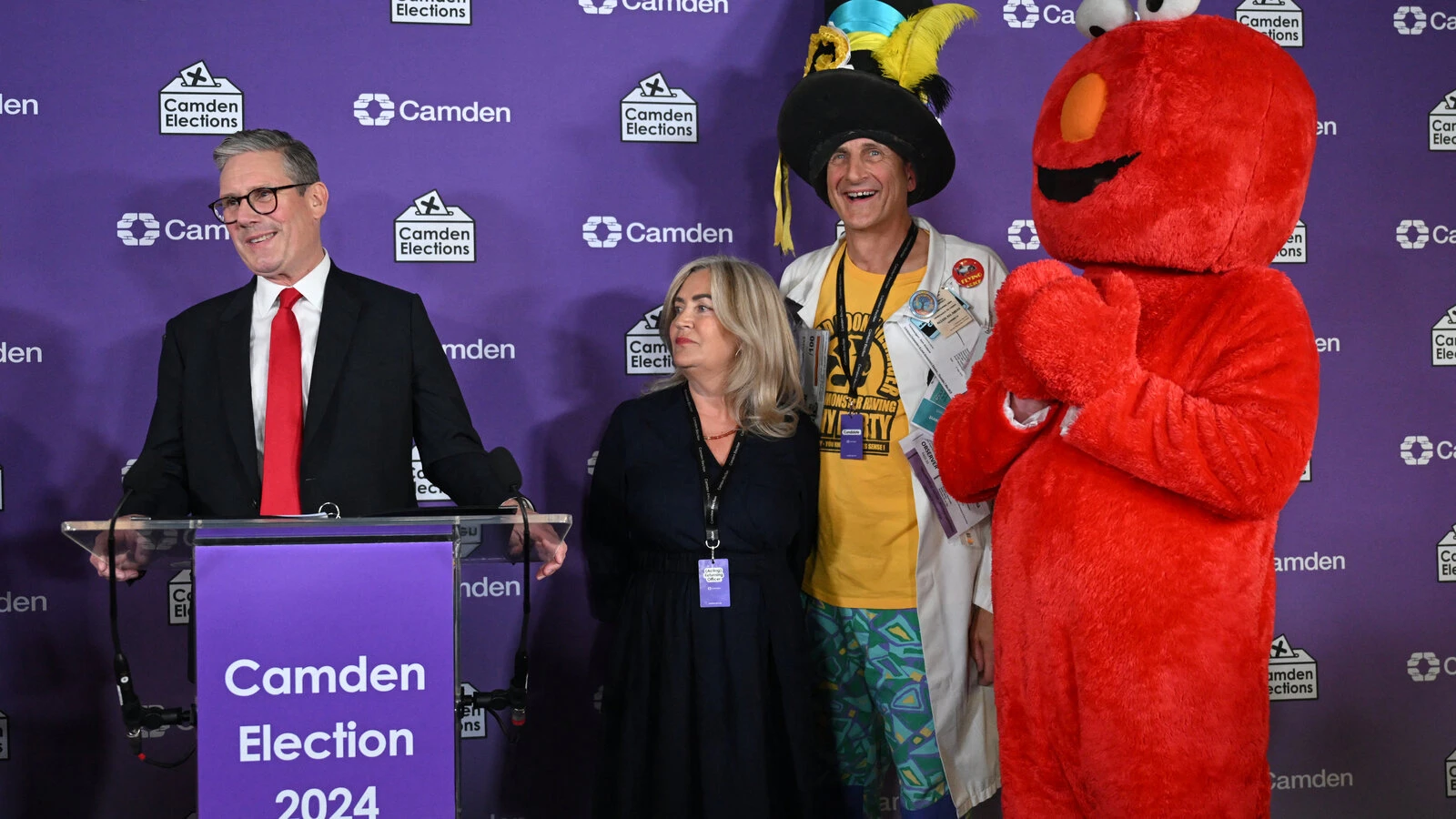
The press coverage around the 2024 election captured the tension at the heart of novelty candidacies. Some costumed or novelty candidates were presented as mocking the political process, while others used the attention to make serious points. That split is exactly why they persist: they can be both joke and critique, both attention-grabber and warning light.
The line between satire and meaningful participation is not fixed. When these candidates highlight local frustration, democratic fatigue or distrust in the political class, they can broaden the conversation in ways conventional campaigns often do not. They can also expose how much of politics has become performance already, because the public can usually tell the difference between empty theatre and a deliberately staged absurdity.
But novelty candidates are not automatically progressive, and they are not automatically harmless. Their appeal depends on whether humour opens a door to engagement or simply confirms that nothing serious can be done. The fact that they keep standing suggests that many voters still want a political language that allows anger, ridicule and refusal, not just slogans polished for television.
That is why Count Binface matters beyond the costume and the punchline. He stands in a tradition that measures how much frustration British democracy can absorb, and how much distrust it can answer with visibility rather than silence. The novelty candidate endures because the electorate keeps making room for a protest that still asks to be counted.