Business
Why electric vehicle insurance costs still deter buyers
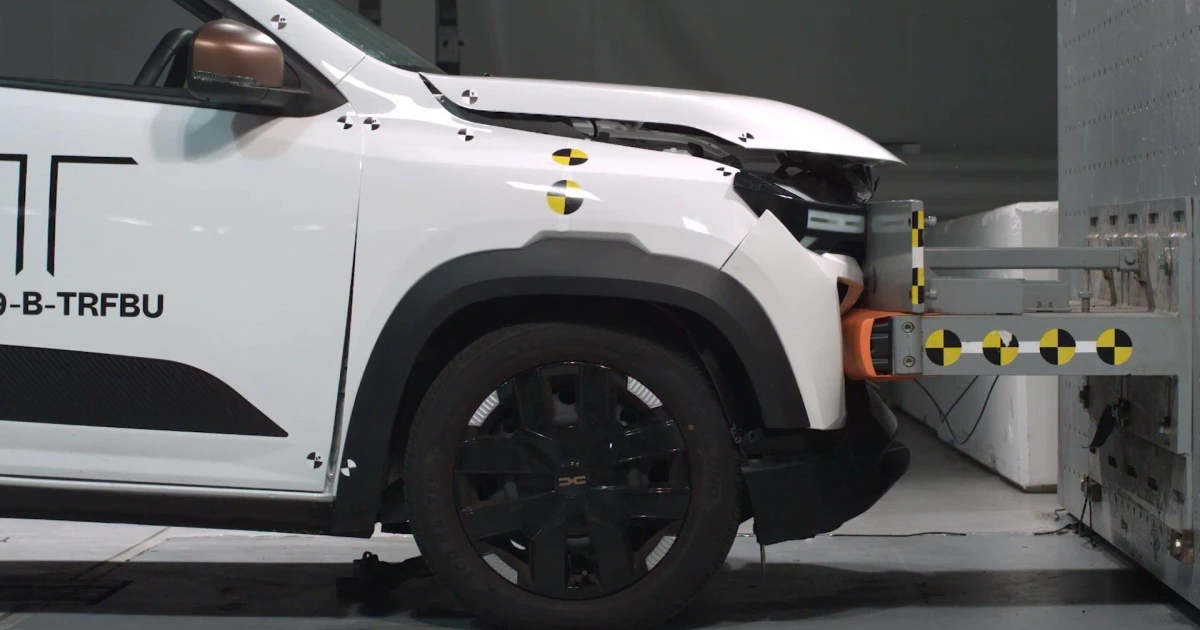
Battery electric vehicle incident claims are about 25.5 percent more expensive than equivalent internal combustion engine claims and take about 14 percent longer to repair, Thatcham Research found. The gap is widest where repairs are hardest to predict: high-voltage batteries, specialist labour and longer workshop stays all push claims higher, and those costs flow straight into premiums.
Why the insurance bill runs ahead of the savings
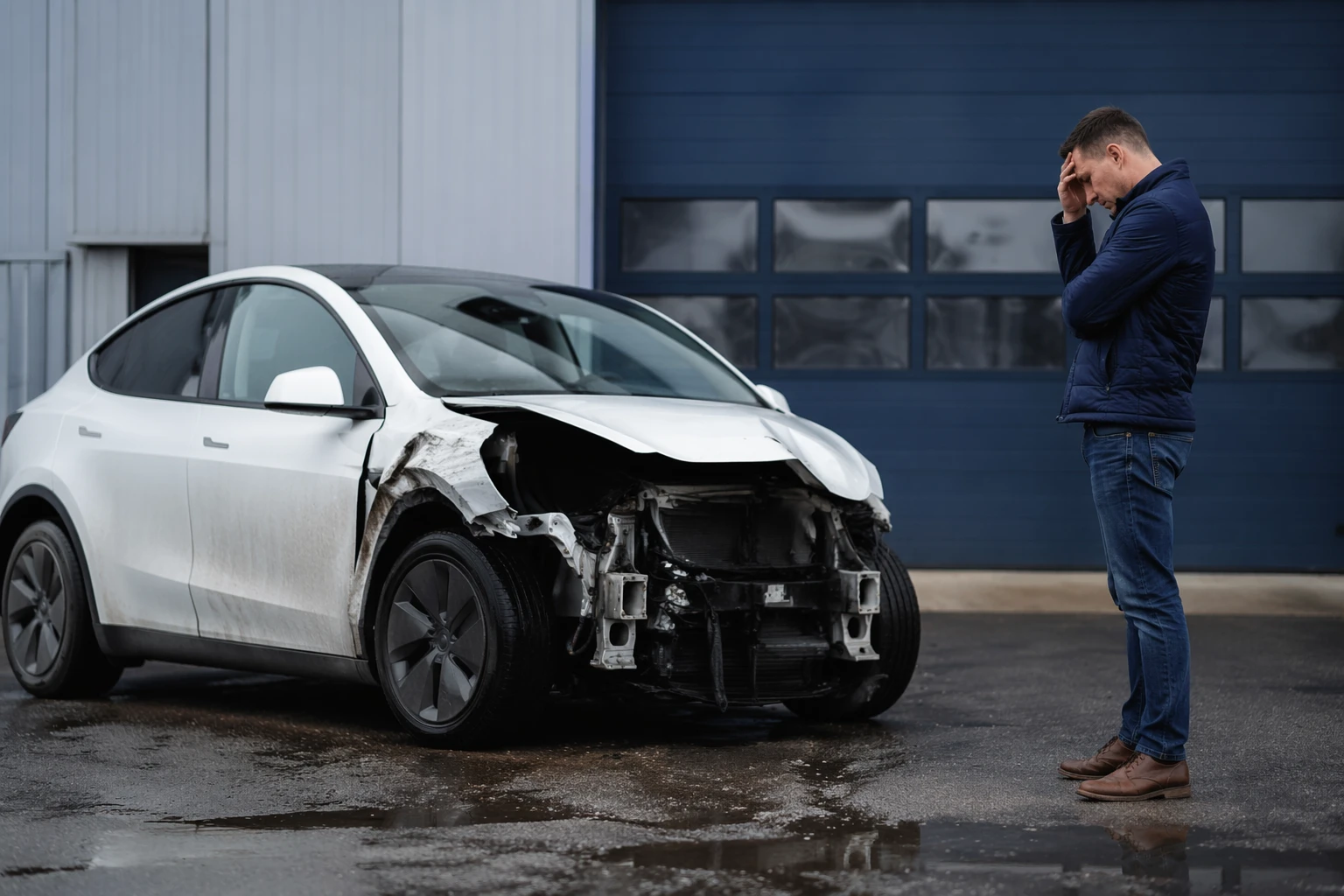
The central problem is that EVs are expensive to put right after a collision, especially when damage reaches the battery pack or the electronics wrapped around it.
That extra time matters as much as the extra cost. A vehicle that sits in a repair bay for longer ties up courtesy cars, labour and parts stock, while insurers face a larger final bill if the estimate changes during the repair. Thatcham identified the high-voltage battery as the biggest repair challenge because it can represent a substantial share of a vehicle’s original value, which makes replacement cheaper than repair in some cases.
The battery is the most expensive unknown
The battery pack is the component most likely to turn a manageable repair into a write-off or a near-write-off. Even when the visible damage looks minor, insurers and repairers have to judge whether the pack is safe, whether cells have been compromised and whether diagnostics can prove the car is fit to return to the road. That uncertainty is one reason EV cover can be priced above cover for a comparable petrol model.
If a battery is expensive to replace, if repair procedures are cautious, and if specialist inspection takes time, insurers have to reserve more money against each claim.
Why UK premiums moved higher
The pressure is visible in the wider UK motor market, not only in EV insurance. The Association of British Insurers put motor insurers’ 2024 claims bill at a record £11.7 billion and the average cost of UK motor cover at £621 in the fourth quarter of 2024.
The Financial Conduct Authority’s 2025 motor insurance claims analysis found that motor insurance premiums increased significantly between 2022 and 2024 and that rising premiums were largely driven by external cost pressures. For EVs, those pressures are amplified by the mix of specialist parts, longer labour times and the higher cost of working safely around live electrical systems.
What insurers and policymakers are trying to fix
The UK Government set up the Motor Insurance Taskforce on 16 October 2024 to confront the affordability problem. The taskforce sits alongside a broader industry push to make claims cheaper and more predictable, because insurers are more willing to price risk aggressively when they have better repair pathways and more reliable data.
The ABI’s 10-point affordability roadmap calls for action on repair-sector skills and capacity, better roads and stronger road safety measures.
The UK Battery Strategy taskforce also continues to meet regularly, bringing together officials, key industry stakeholders and academia. Battery repair is also a technical and industrial issue: safe diagnostics, cell reuse, parts recovery and standardised procedures all affect whether insurers see EVs as a stable risk.
Why the gap may be narrowing
There are signs the market is moving in the right direction, even if EVs remain more expensive to insure in many cases. Repair costs are declining as repair networks expand, pricing models improve and insurers accumulate more EV-specific data.
Some 2025 data still showed EV repairs costing more than non-EV repairs, but the gap was narrowing. More familiar vehicles, more repair data and better parts logistics usually lead to steadier pricing.
What has to change before premiums fall meaningfully
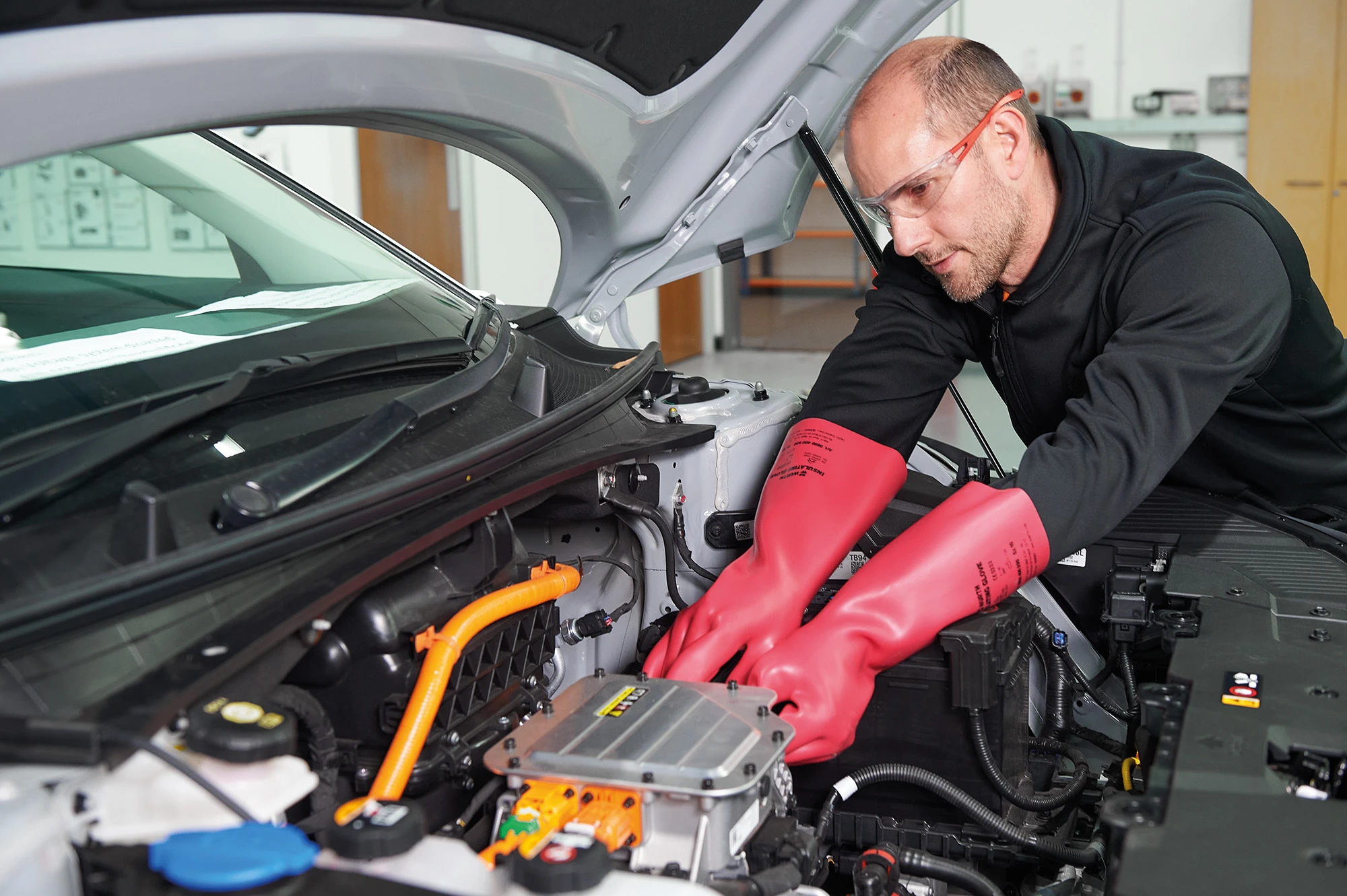
Repair networks need more technicians trained to work safely on high-voltage systems, because specialist labour shortages keep claims expensive. The parts pipeline has to improve, especially for batteries and electronic components, because scarcity pushes up both repair times and replacement costs.
Third, insurers need deeper repair data and more consistent claims handling. When adjusters can assess battery damage faster, when repairers can test components with confidence and when parts arrive on time, the likelihood of a total loss falls.