Business
Why Gas Prices Remain High Despite Shifts in Oil Routes
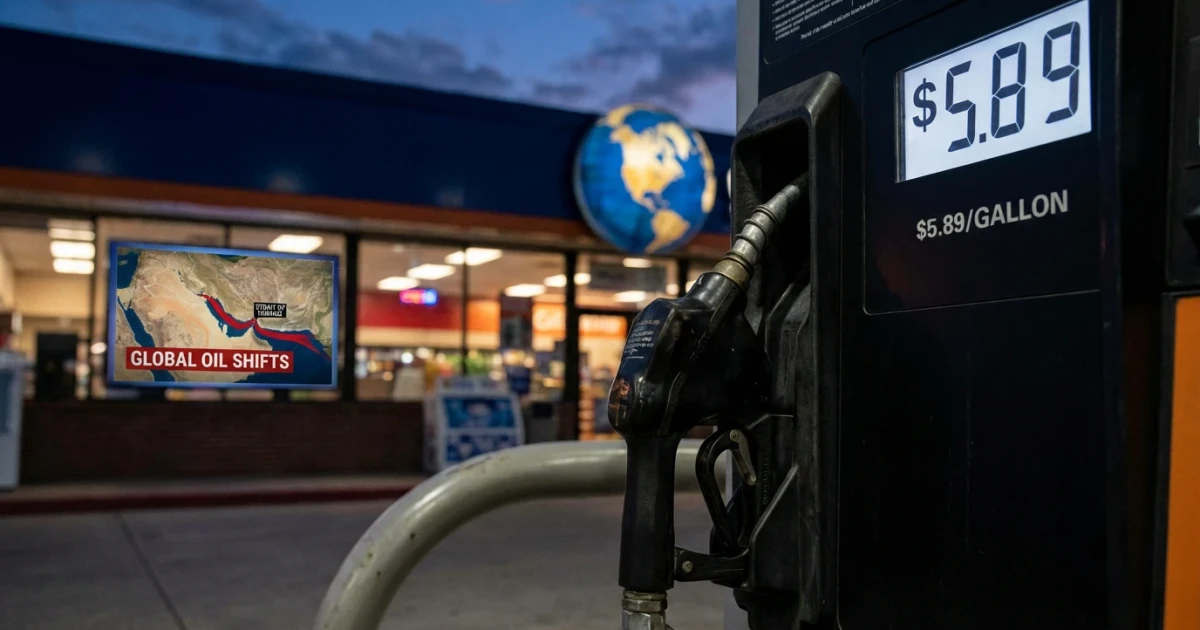
High gasoline prices continue to affect American consumers, even as global oil markets adapt to ongoing risks near the Strait of Hormuz. While some industry voices suggest diversifying oil shipping routes could ease pain at the pump, analysis from CNN Business and other industry data indicate that simply "walking away" from this vital chokepoint is unlikely to restore the cheaper prices seen in previous years.
The Strategic Importance of the Strait of Hormuz
The Strait of Hormuz is one of the world’s most critical maritime passages, with about 20% of global oil trade passing through its narrow waters. According to the U.S. Energy Information Administration, in recent years, the strait has routinely carried between 15 to 17 million barrels per day of crude oil and condensate, making it a linchpin for both global supply and price stability.
Why Changing Oil Routes Isn’t a Silver Bullet
CNN Business notes that the idea of rerouting global oil flows away from the Strait of Hormuz—due to geopolitical tensions or security threats—faces significant challenges:
- Limited capacity on alternative routes: Pipelines and other sea lanes cannot match the massive daily volumes handled by Hormuz.
- Higher transportation costs: Longer or less efficient routes mean increased shipping expenses, which are ultimately passed to consumers.
- Infrastructure constraints: Existing pipelines and ports are not equipped for a rapid, large-scale reroute of Middle Eastern oil exports.
Because of these factors, even with efforts to diversify oil transit away from the region, any significant disruption to the Strait of Hormuz is likely to keep global oil prices elevated.
Persistent Pain at the Pump
Despite some shifts in sourcing and logistics, US gasoline prices remain high. Data from the U.S. Energy Information Administration shows the national average for regular gasoline has stayed well above historic norms through recent months. This trend is echoed in regional data, which can be explored in detail via the EIA’s Gasoline and Diesel Fuel Update.
As CNN Business highlights, consumers are responding to elevated prices in tangible ways. Households are:
- Reducing non-essential travel
- Shifting to more fuel-efficient vehicles or public transportation
- Adjusting family budgets to accommodate higher fuel costs
These behavioral changes reflect a broader economic impact, as discretionary spending contracts and transportation patterns evolve.
Global and Domestic Factors Behind High Prices
While the Strait of Hormuz remains a flashpoint, analysts note that gasoline prices are also shaped by a combination of global and domestic factors:
- Crude oil supply and demand dynamics
- Refinery capacity and outages
- Seasonal shifts in gasoline formulations
- Geopolitical tensions beyond the Middle East
Federal Reserve research further explains that changes in oil prices quickly translate to higher inflation and consumer prices, intensifying the impact on households.
Looking Ahead: Volatility Likely to Persist
Although policy makers and industry leaders continue to explore ways to strengthen supply resilience, experts cited by CNN Business agree that there is no quick fix. The enduring importance of the Strait of Hormuz, coupled with complex market forces, means that gasoline prices are likely to remain sensitive to global events for the foreseeable future.
For Americans at the pump, the reality is that even as oil trade patterns adjust, the era of cheap and stable gasoline may be over—at least for now.