World
Why mines in the Strait of Hormuz could outlast the war
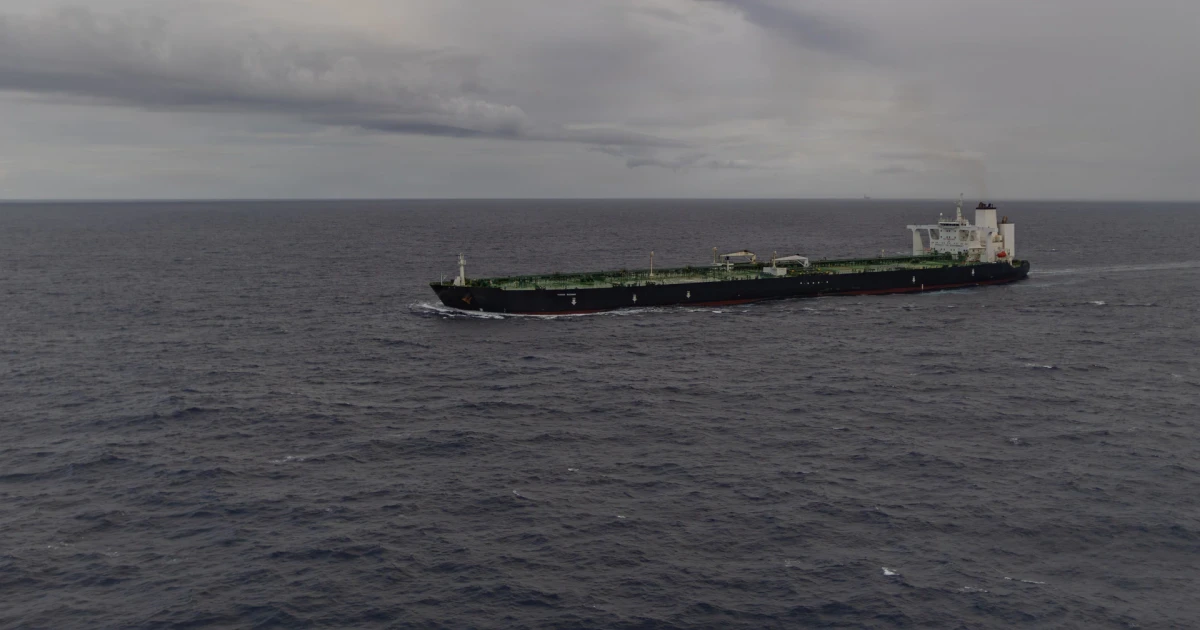
A minefield in the Strait of Hormuz is not just a battlefield hazard. It can become a long-tail economic threat, because clearing it is slower, riskier, and more uncertain than laying it. That matters in a waterway that carries a huge share of the world’s oil, and where even a temporary disruption can ripple through fuel prices, shipping insurance, and the wider economy.
Why this corridor matters so much
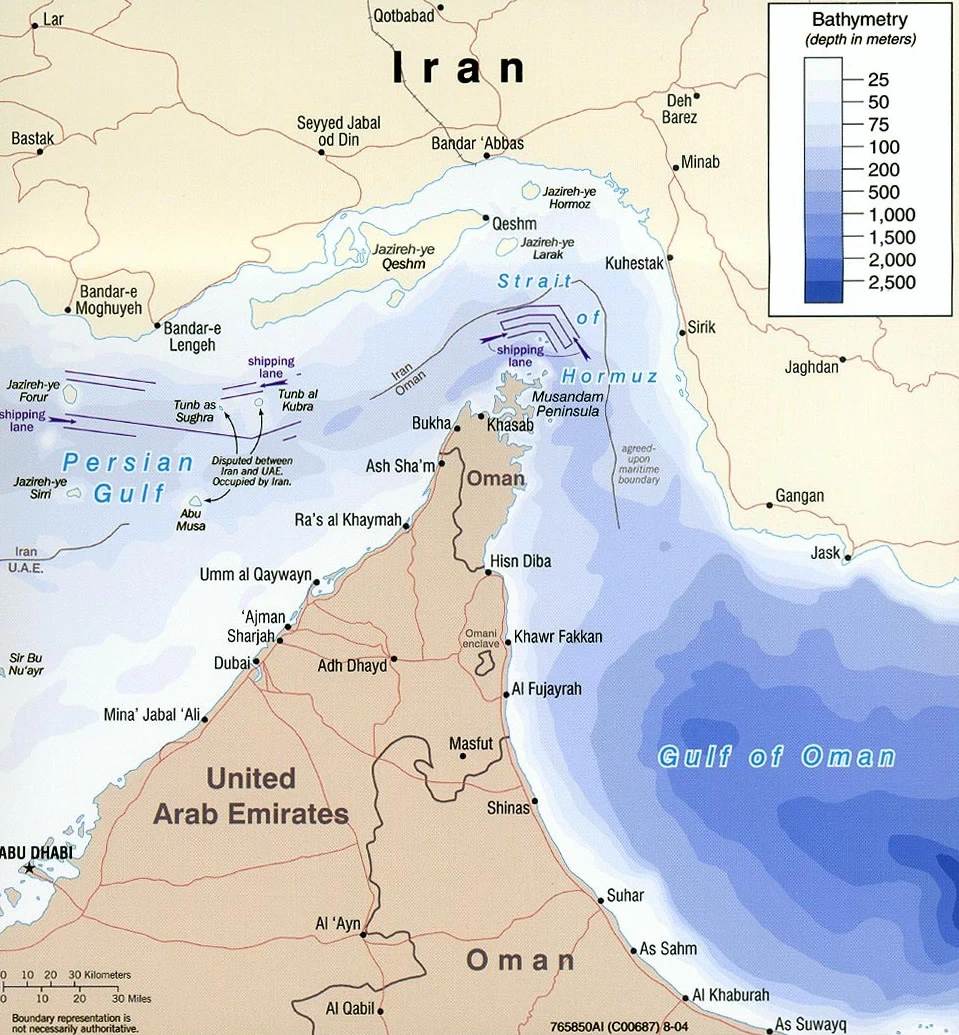
The Strait of Hormuz is the world’s most important oil transit chokepoint. In 2022, about 21 million barrels per day of oil moved through it, equal to roughly 21% of global petroleum liquids consumption. That concentration is why every new security scare in the strait is watched far beyond the Gulf: if traffic slows, global markets feel it quickly.
The waterway’s importance is not accidental. The existing Traffic Separation Scheme in the strait was proposed by Iran and Oman and adopted by the International Maritime Organization in 1968. That formal lane structure shows how long the route has been treated as a heavily managed corridor, where avoiding collisions and keeping vessels moving have always been central concerns. Mines collide with that logic directly, because they turn a managed shipping lane into a search problem.
Why mines are so hard to clear
Mines are difficult not because they are sophisticated in a flashy sense, but because they are stubborn, hidden, and dangerous to handle one by one. A crew cannot simply sweep a switch and reopen a strait the way a road is reopened after debris is removed. Every suspected mine has to be found, identified, and neutralized in water where a mistake can damage a ship, trigger a secondary explosion, or injure the divers and explosive ordnance disposal teams doing the work.
John Ismay, who served as a Navy explosive ordnance disposal officer and deep-sea diver for eight years, brings an unusually practical perspective to that problem. In a chokepoint like Hormuz, clearance teams have to work in the same sea lane that commercial traffic depends on, often under pressure to move faster than safety allows. That tension is exactly why a mine threat can outlast the fighting that produced it.
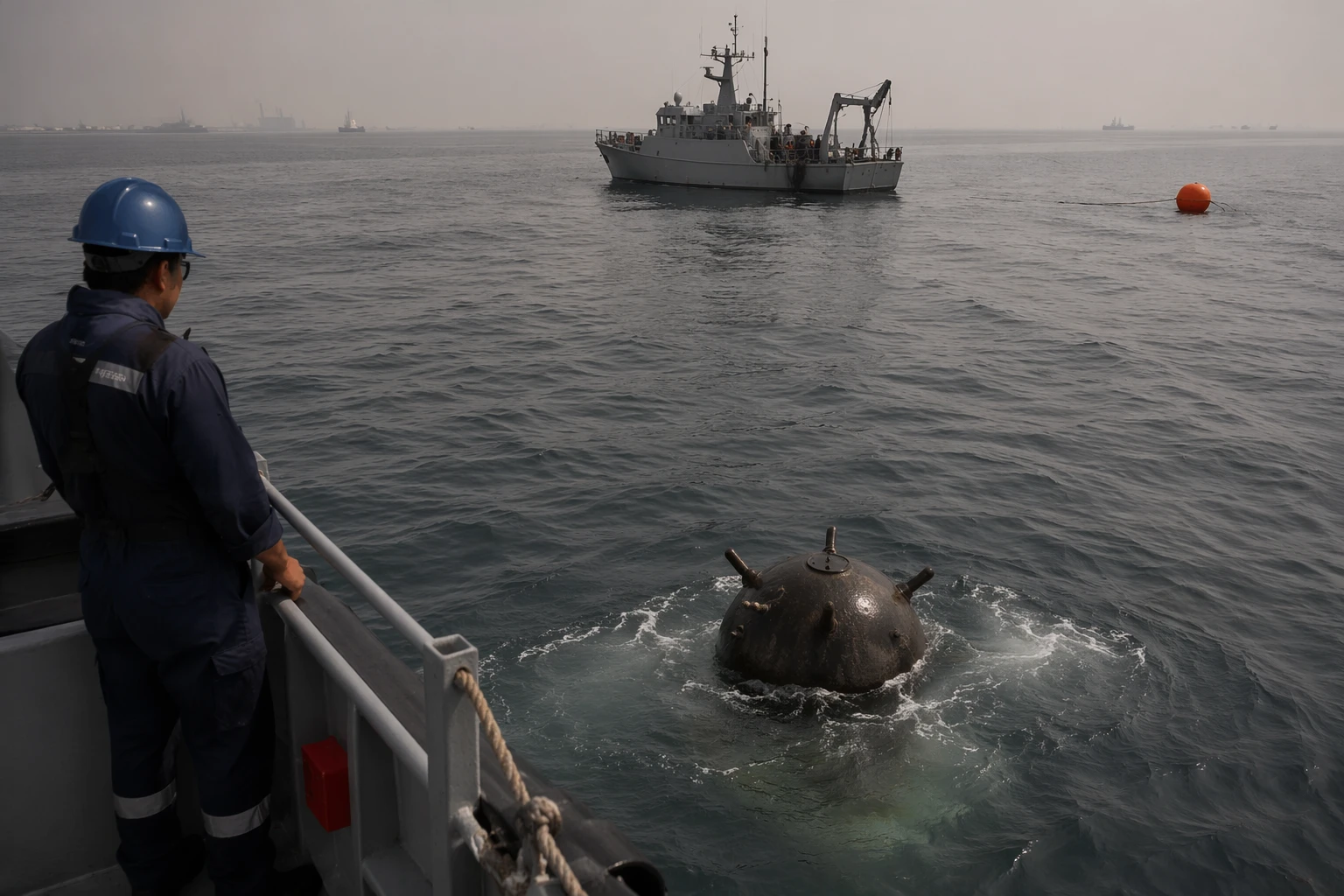
The danger is not limited to mines resting on the seabed. On USS Samuel B. Roberts, watchstanders first sighted three mines floating about one-half mile from the ship before the vessel struck a submerged mine. That detail captures the problem in concrete terms: even when a mine is visible, it can still be too close to ignore, and even when it is not visible, it can still destroy a ship. In a corridor filled with merchant traffic, the uncertainty itself becomes part of the crisis.
The 1988 warning that still matters
History gives the Strait of Hormuz a sharp and ugly precedent. On April 14, 1988, USS Samuel B. Roberts struck a deliberately laid Iranian mine while en route to her home port. Navy historical records say the ship was nearly ripped in half. Four days later, the mine strike helped lead to Operation Praying Mantis, one of the clearest reminders that a single mine attack can escalate far beyond the immediate blast.
That episode matters because it shows how mines can change the tempo of conflict. A mine is cheap compared with the warships and convoys needed to respond to it, and it forces the other side to devote time, equipment, and caution to an area that had previously been a transit route. Even after active hostilities ease, the physical problem remains in the water until it is located and cleared.
Why the threat can linger after the war
The economic consequences do not end when shooting stops. The U.S. Energy Information Administration says global oil markets remain in a period of heightened volatility and uncertainty as the de facto closure of the Strait of Hormuz has now surpassed three months since military action began on February 28, 2026. That is a crucial point for energy traders and shipping insurers alike: a conflict can move into a cleanup phase, but the market can stay under stress long after the guns fall silent.
The International Maritime Organization says the situation has affected around 3,200 vessels and about 20,000 seafarers, while also raising major risks of marine pollution. That combination is especially damaging because it turns a local security problem into a wider operational crisis. Ships may reroute, wait offshore, or require additional protection, all of which add cost and uncertainty to the trade in oil, fuel, and other cargoes.
For the shipping industry, the practical question is not only whether a minefield exists, but how long it might take to prove that the route is safe again. Clearance is methodical by nature. It depends on detection, confirmation, and neutralization, then repeated checks to reduce the chance that another mine or drifting device remains in the lane. In a place as economically sensitive as Hormuz, that process can stretch far beyond the headlines that announce the end of fighting.
What this means for markets and policy
The key consequence is that the Strait of Hormuz is vulnerable to a second crisis after the first one: the cleanup crisis. Oil buyers, tanker operators, and governments have to plan not only for war risk, but for the slower and messier period when engineers, divers, and naval specialists are trying to make the sea lanes usable again. That is why mine warfare has outsized strategic value, and why it can distort commerce even when a ceasefire is already in place.
The lesson from Hormuz is blunt. A mine can be laid in minutes, but clearing the threat can take far longer, especially in a chokepoint that carries about one-fifth of the world’s petroleum liquids consumption. In that sense, the real aftermath of a war in the strait may be measured not in days of fighting, but in weeks or months of uncertainty before global shipping can trust the water again.
Sources
- [1]nytimes.com
- [2]eia.gov
- [3]imo.org
- [4]history.navy.mil
- [5]wwwcdn.imo.org