Technology
Why Nintendo Cut Ties With Amazon During the DS Era
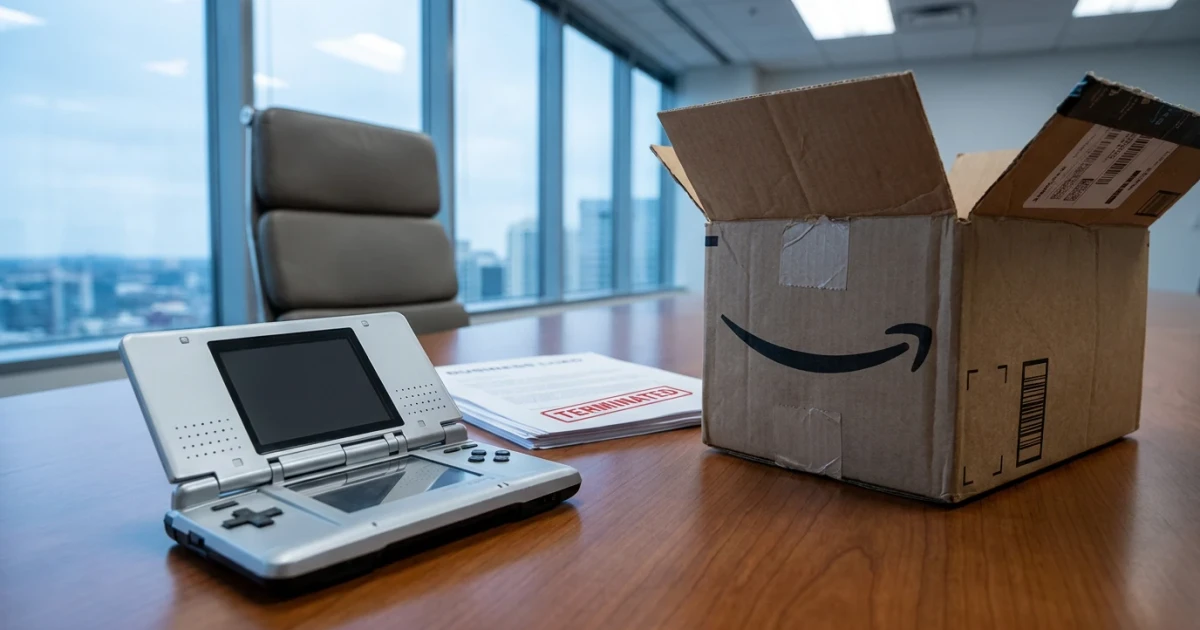
During the height of the Nintendo DS era, a surprising rift emerged between two industry giants: Nintendo and Amazon. In a recent interview highlighted by IGN, Reggie Fils-Aimé, former president and COO of Nintendo of America, shed light on the circumstances that led Nintendo to stop working with Amazon, a move that left lasting ripples across the gaming retail landscape.
Behind Closed Doors: The Pivotal Phone Call
According to Fils-Aimé, the decision stemmed from a direct conversation with Amazon executives. As Nintendo DS sales soared—eventually reaching over 154 million units worldwide—Nintendo was a major draw for any retailer. However, Amazon’s proposed business practices during this period raised red flags for the company. Fils-Aimé explained that he was confronted with a choice that, in his view, would have involved actions bordering on illegality, prompting Nintendo to halt its partnership with the e-commerce giant.
Sales Success and Retail Complexity
The Nintendo DS was a phenomenon from its launch in 2004, quickly becoming one of the best-selling handheld consoles of all time. Sales data from sources like Nintendo’s official financial archives and VGChartz confirm that the DS outsold its competitors by a wide margin, with U.S. market reports from the NPD Group further illustrating the device’s dominance. This commercial success made Nintendo’s distribution strategies—and its choice of retail partners—critical to its continued growth.
- The DS family sold over 154 million units globally by 2023.
- Key markets included North America, Europe, and Japan, with annual software sales in the tens of millions.
- Nintendo reported record revenues and operating profits during the DS era, as seen in their historical data.
Legal and Ethical Considerations
While specific details of Amazon’s proposal remain confidential, Fils-Aimé’s statement—"I wasn't going to do something illegal"—suggests that the issue went beyond standard business disagreements. During the mid-2000s, the retail landscape was evolving rapidly, with online marketplaces like Amazon introducing new challenges related to pricing, distribution, and intellectual property. Nintendo, known for its strict adherence to regulatory compliance and intellectual property protection, was particularly sensitive to these concerns.
Amazon’s own marketplace policies have undergone changes over the years, largely in response to issues like counterfeit goods—a significant problem for game publishers, as detailed in the U.S. Government Accountability Office’s report on intellectual property. For Nintendo, the risk of unauthorized or gray market distribution through third-party sellers was a major concern.
Impact on the Gaming Market
The split between Nintendo and Amazon during the DS era underscored the importance of trust and transparency between publishers and retailers. While other retailers, both brick-and-mortar and online, continued to sell Nintendo products, Amazon’s absence from the official distribution chain was notable during a period of unprecedented demand. The move also reflected Nintendo’s willingness to prioritize legal and ethical standards over short-term sales opportunities.
Looking Ahead
Today, Nintendo and Amazon have resumed their business relationship, and Nintendo products are widely available on the platform. However, the episode remains a telling example of how high-stakes decisions are made behind the scenes, especially when legal and reputational risks are involved. As the gaming industry continues to evolve—with digital distribution and marketplace policies still a hot topic—Nintendo’s cautious approach during the DS era stands as a case study in corporate governance and risk management.