Lifestyle
Why Slower Living is the Lifestyle Trend Shaping 2026
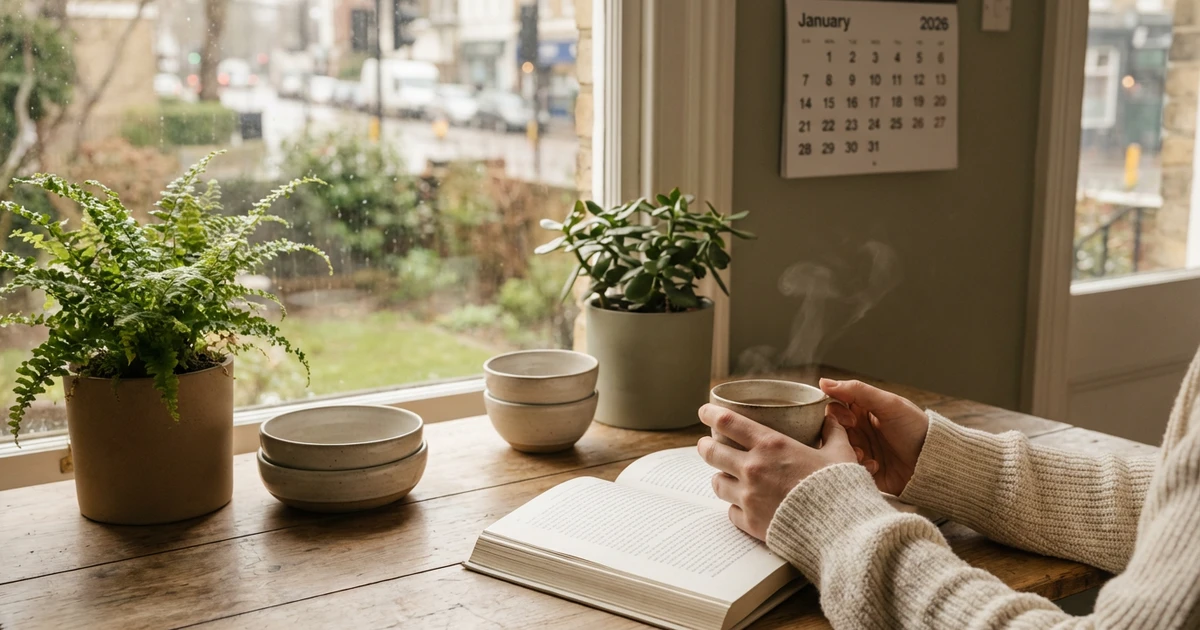
Slower living is emerging as one of the defining lifestyle trends of 2026, signaling a significant shift in how individuals are choosing to approach their daily routines, work-life balance, and overall wellbeing. As highlighted by MEGA Magazine, more people are consciously opting to step back from the relentless pace of modern life, prioritizing mindfulness, intentionality, and genuine connection over constant productivity and digital overload.
What is Slower Living?
Slower living—sometimes referred to as the slow living movement—encourages individuals to simplify their schedules, reduce unnecessary stress, and focus on what truly matters. In 2026, this trend has gained traction among diverse age groups, with advocates emphasizing the importance of savoring everyday experiences, whether that means taking time for a mindful morning routine, preparing home-cooked meals, or spending quality time with loved ones.
Key Drivers Behind the Trend
- Digital Fatigue: The ubiquity of smartphones and constant notifications has led to increased digital fatigue—prompting people to set boundaries and incorporate "tech-free" periods into their day.
- Mental Health Awareness: A growing focus on mental health has encouraged individuals to seek out practices such as meditation, journaling, and nature walks, all of which support a slower pace of life.
- Remote and Flexible Work: The normalization of remote and hybrid work models is allowing more people to reimagine their daily routines, integrating work with intentional leisure and rest.
- Desire for Meaningful Connection: After years of social distancing and virtual interactions, many are prioritizing in-person relationships, community gatherings, and shared experiences.
How Slower Living is Manifesting in Daily Life
In practice, slower living is influencing everything from interior design to travel and personal wellness. Minimalist home décor, inspired by Scandinavian and Japanese aesthetics, aims to create calming spaces free from clutter. The popularity of "slow travel"—which emphasizes immersive experiences over rapid sightseeing—continues to rise, as does the resurgence of hobbies like gardening, baking, and crafting.
Additionally, brands and wellness experts are responding to the trend by offering products and services that cater to a slower, more mindful lifestyle. This includes self-care subscription boxes, guided meditation apps, and workshops focused on mindfulness and sustainable living.
Challenges and Considerations
While the slow living movement is gaining widespread appeal, it is not without its challenges. Critics note that socioeconomic factors can limit access to the resources and flexibility needed to fully embrace a slower lifestyle. For some, the demands of work, family, and financial obligations may make it difficult to slow down as much as they would like.
The Future of Slow Living
As 2026 progresses, slow living is expected to remain at the forefront of lifestyle trends, influencing everything from workplace culture to consumer choices. Experts predict continued growth in wellness-focused products and services, as well as increased advocacy for policies that promote work-life balance and mental health support.
For those looking to adopt this trend, the shift does not require a complete overhaul of daily life. Instead, it’s about making intentional choices—prioritizing rest, building meaningful routines, and finding joy in the present moment. As more people embrace slower living, it may well become the defining ethos of the decade.