Sports
Why sports fandom can boost well-being and belonging
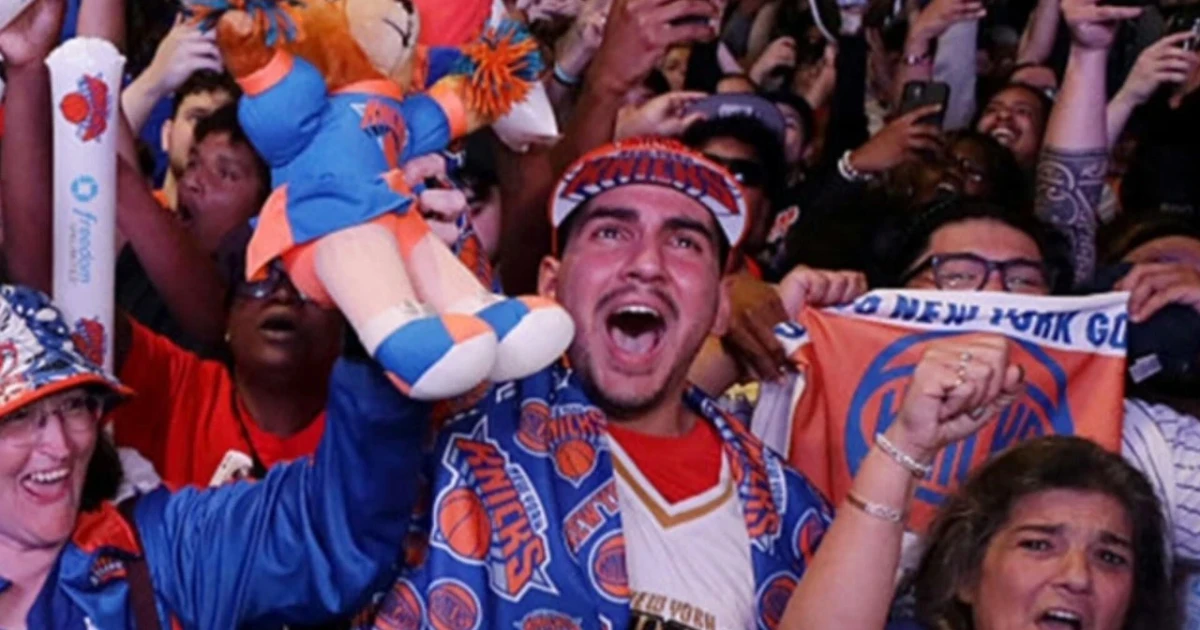
A stadium roar or a living-room cheer can do more than mark a win. In the reporting around Arthur Brooks, the deeper claim is that collective joy from sports can improve overall well-being because it gives people a sense of belonging. That benefit is real, but it is not automatic; the same loyalty that binds fans can also slide into tribalism, gambling and aggression.
The social payoff of a shared win
CBS identifies Brooks as a social scientist and CBS News contributor, and the core of the conversation is straightforward: when people celebrate together, they often feel better together. Brooks says sports fandom “gives you a sense of belonging,” and that matters because belonging is not a decorative extra in social life. It is one of the basic ingredients of psychological health, especially in a period when loneliness and social isolation have become common public concerns.
That is why related coverage keeps circling back to the same point from a different angle. Fandom is described there as psychologically healthy because it connects people to like-minded others and satisfies a human need for belonging. In plain terms, sports turn strangers into temporary communities, then sometimes into durable ones. A game, a team and a ritual schedule can create a repeated social rhythm that many people do not get from work, neighborhood life or online interaction.
Why the country angle keeps coming up
CBS has framed the discussion not only as a question about individual happiness, but also about why being a sports fan can be good for the country. That framing matters because sports are one of the few remaining mass rituals that cut across age, class and geography without requiring a membership fee or a political affiliation. The shared language is simple: a team, a score, a season, a win, a loss.

Brooks has also made a broader case in his writing and commentary that sports build community and shared identity. Harvard University has identified him as a professor and author, and the university’s business school has highlighted his 2022 Atlantic essay, “How to Build a Life: Sports Are Great Because They’re Pointless.” The point of that argument is not that sports solve social division. It is that their very lack of practical purpose can make them powerful as a source of ritual, collective attention and emotional connection.
What the science-backed case is really saying
The most persuasive reading of this research is not that fandom is universally therapeutic. It is that sports can provide an accessible form of social connection that many people can enter quickly and understand immediately. Unlike some civic or professional networks, you do not need credentials, status or even close proximity to participate. You only need an allegiance, a broadcast or a seat in the stands.
That accessibility is part of why the emotional payoff can be so strong. A big win is not just a private pleasure; it is a shared event, and shared emotion often intensifies memory and attachment. For people who feel isolated, that matters. For people who already have strong networks, it can reinforce a sense of continuity, routine and collective identity.
The part the feel-good version leaves out
A serious account of sports fandom has to include the risks. The same group identity that creates belonging can harden into tribalism, where the other side is treated as an enemy instead of a rival. That shift can flatten judgment, reward cruelty and make it harder to enjoy the game on its own terms.

Gambling is another pressure point. When betting becomes central to the fan experience, the emotional logic changes: attention moves from community and competition toward financial exposure and compulsive chasing of outcomes. Fan aggression creates a third problem, because intimidation and hostility can push away the very people who might benefit most from the social side of sports, including casual fans, families and newcomers.
How to keep fandom healthy
The healthiest form of fandom is the one that preserves joy without demanding surrender of judgment. That means treating a team as a source of ritual and community, not as a test of personal worth. It also means recognizing when enthusiasm is being steered toward resentment, betting dependence or antagonism.
A few practical guardrails make the difference:
• Keep the social part front and center. Watch with people, not only through screens and apps.
• Separate fandom from wagering. If betting changes the reason you care, the game is no longer doing the same work.
• Leave room for mixed loyalties. Shared identity is stronger when it can handle disagreement without hostility.
• Treat rival fans as fellow participants in the same civic ritual. The point is competition, not contempt.
• Notice when a team starts replacing other sources of meaning. Belonging is healthiest when it adds to life rather than narrowing it.
Brooks’s argument endures because it is modest and concrete. Sports do not cure loneliness on their own, and they do not repair civic life by magic. But they do offer a repeatable way for people to feel part of something larger than themselves, and in a fragmented culture, that is not a trivial effect. When fandom is kept grounded in ritual, friendship and shared attention, it can be one of the simplest forms of belonging available.
Sources
- [1]cbsnews.com
- [2]cnbc.com
- [3]hbs.edu
- [4]arthurbrooks.com
- [5]time.com