World
Why summer daylight turns scenic Sheffield road trips into pressure
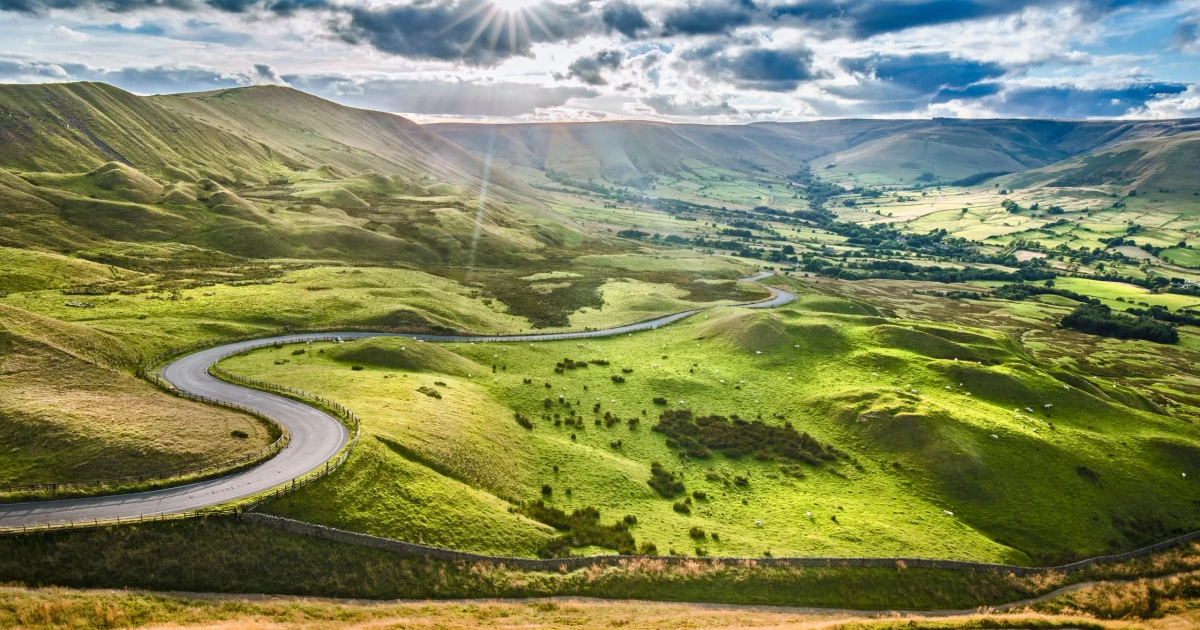
A long summer evening can make even a simple drive feel like a test of discipline. In Sheffield, that pressure sharpens because a city road linked to the Peak District and Snake Pass has already been named among Britain’s most scenic road trips by The Star. The result is a familiar modern trap: daylight becomes a resource to spend correctly, and leisure starts to look like another job.
Why Sheffield turns scenic travel into a kind of pressure
Sheffield carries two identities at once, and both intensify the pull of the open road. Enjoy Travel describes it as the "Steel City," a place with a proud industrial past, a prominent sporting pedigree, and a reputation that punches above its weight in music. Adventure Brits adds another layer by calling it the "outdoor city" and pointing to Sheffield’s position beside England’s oldest national park.
That mix matters because it turns a road trip into something more loaded than a casual outing. In a city known for steel and sport as much as for access to hills, a sunny weekend can start to feel like an invitation to prove something: that you used the daylight well, that you made the most of the landscape, that you earned the view. The scenic route becomes a performance, not just a route.
What makes the Sheffield road-trip frame so magnetic
The Star’s recognition of a Sheffield road as one of Britain’s most scenic road trips places the area in a national conversation about where to drive for pleasure. The specific draw is not abstract. It is tied to the Peak District and Snake Pass, two names that already carry weight for anyone looking at South Yorkshire and Derbyshire as a day-trip landscape.
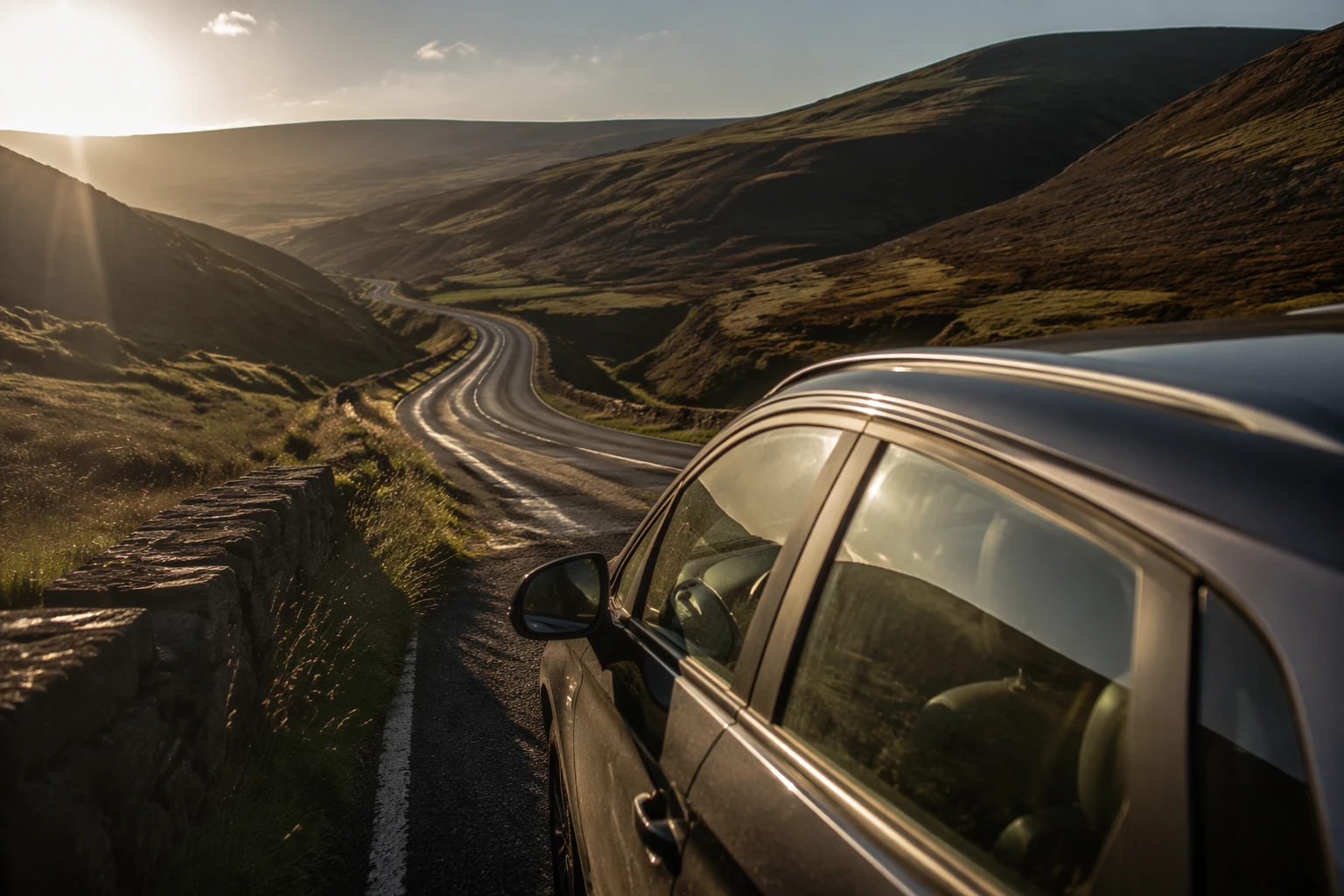
That geography explains why the pressure feels so easy to absorb. Snake Pass is not just a road, but a route that is repeatedly framed as dramatic enough to justify going out of your way. When travel writing casts Sheffield as a base for scenic driving and day trips, the city stops being a place to pass through and becomes a launch point for a carefully curated experience.
The scenic route is not the same as the optimized route
The strongest response to compulsory leisure is to separate movement from achievement. A scenic drive around Sheffield does not need to become a checklist of viewpoints, detours, and proof that the day was maximized. The value lies in the route itself: the slow reveal of the Peak District, the shifting edge between city and moorland, and the sense that Snake Pass is best experienced at a pace that leaves room for the landscape to register.
That is where the metaphor of the scenic route earns its keep. In summer, people often treat daylight like a limited-edition asset, something to be converted into photos, outings, and stories on demand. But a scenic route only works when it resists that logic. The road is not there to be conquered or monetized in social terms. It is there to be followed.
How to take a Sheffield road trip without turning it into a performance
The practical question is not whether to go out, but how to do it without folding into the pressure to optimize every hour. Around Sheffield, the answer starts with choosing fewer ambitions and more attention. A drive that includes the Peak District and Snake Pass already gives you a defined landscape; it does not need extra packing, extra stops, or a fixed output beyond the time spent in it.
A slower approach usually works best: • Leave room for pauses instead of stacking the day with commitments.
• Treat the road as the main event, not a connector between attractions.
• Keep the route tied to Sheffield, Snake Pass, and the Peak District, rather than widening it into a larger itinerary that becomes harder to enjoy.
• Resist the idea that a summer drive has to produce the “best” version of the day.

Those choices matter because they reduce the conversion of leisure into labor. A road trip that is allowed to remain partial, unhurried, and even uneventful can be more restorative than one built to impress.
Sheffield’s setting invites slower reading of the landscape
Sheffield’s appeal has always been in the tension between work and openness. The city’s industrial history, sporting culture, and music reputation sit next to the geography of England’s oldest national park, which is why the area attracts both urban energy and outdoor escapes. Adventure Brits’ description of Sheffield as the "outdoor city" captures that overlap neatly: the city is not separate from nature, but arranged beside it.
That makes it especially important not to let summer daylight become a source of guilt. The same landscape that invites road trips also invites stillness, and the scenic value of Snake Pass or the Peak District does not depend on filling every hour. In Sheffield, the most useful travel habit may be the least performative one: take the route, see the view, and let the day remain smaller than the pressure around it.
Sources
- [1]nytimes.com
- [2]thestar.co.uk
- [3]enjoytravel.com
- [4]adventurebrits.co.uk