Technology
Why Teens Are Saying No to AI: A Deep Dive into the Concerns of a Digital Generation
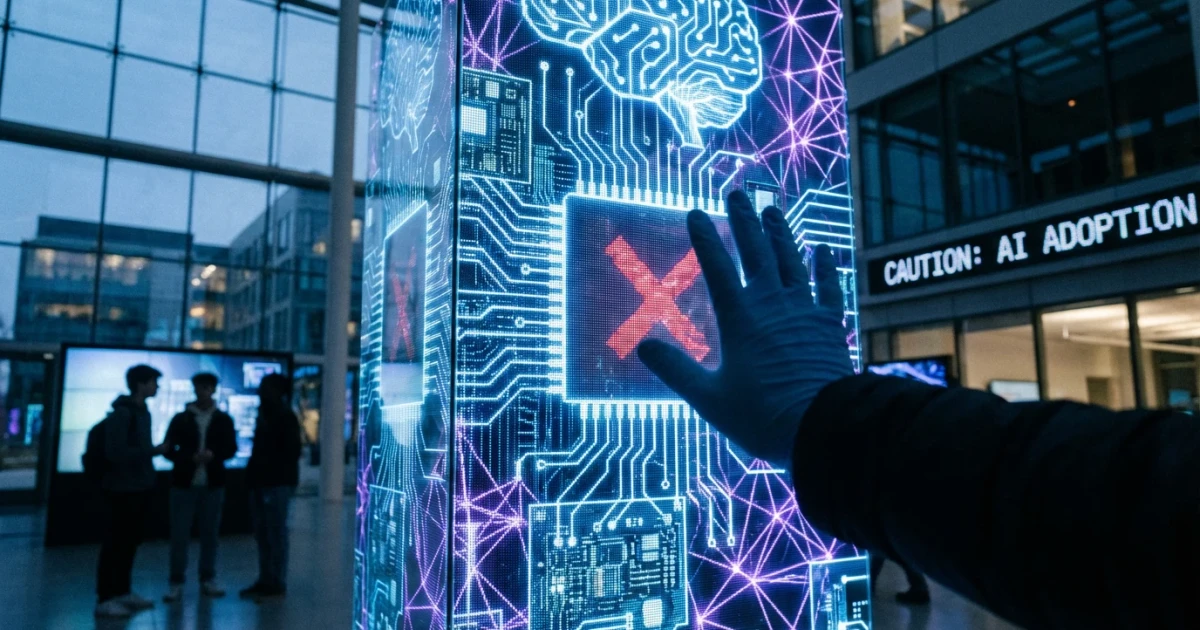
Artificial intelligence is rapidly transforming industries, education, and daily life. Yet, as the technology becomes more ubiquitous, a notable segment of the next generation—teens—are expressing skepticism and resistance. According to a recent Wall Street Journal report, there are seven main reasons why many teenagers are hesitant to embrace AI, reflecting a complex mix of ethical, social, and personal concerns.
The Top Reasons Teens Are Rejecting AI
While adults often tout AI's potential for productivity, efficiency, and innovation, many teens are approaching the technology with caution. The Wall Street Journal details seven key reasons behind this generational hesitance:
- Privacy Concerns: Teens are highly aware of how much data AI systems collect, from social media algorithms to virtual assistants. Many fear their personal information could be misused or inadequately protected.
- Misinformation and Manipulation: The rise of AI-generated content has made it increasingly difficult to distinguish between real and fake information online. Teens worry about being misled or manipulated by deepfakes, chatbots, and personalized news feeds.
- Loss of Human Connection: As AI automates more interactions—such as customer service or even friendship chatbots—teens fear a decline in authentic, face-to-face communication and empathy.
- Bias and Fairness: Many young people are concerned about the biases embedded in AI algorithms, which can perpetuate stereotypes or unfairly impact marginalized groups. Teens want technology that is transparent and just.
- Job Security: With automation threatening traditional career paths, teens are anxious about their future employment prospects and how AI may limit opportunities in various fields.
- Over-Reliance on Technology: Some teens express worry that constant AI assistance could erode critical thinking and problem-solving skills, making people too dependent on machines.
- Lack of Control: Finally, many teens feel they have little say in how AI is developed or deployed, leading to a sense of powerlessness over the technology shaping their lives.
Analyzing Teen AI Skepticism
This widespread skepticism among teens highlights a generational divide in attitudes toward technology. While older generations may see AI as an inevitable and mostly beneficial force, teens are more likely to question its societal impacts and ethical foundations. Their concerns are not limited to personal privacy, but extend to broader issues of fairness, transparency, and human agency.
For instance, the fear of misinformation is particularly acute among digital natives who have grown up in an era of viral memes and doctored videos. Their demand for transparency and equity in AI design signals a desire for systems that reflect their values and safeguard against discrimination.
What This Means for the Future of AI Adoption
The skepticism voiced by teens may influence the future direction of AI development and policy. Companies and educators hoping to engage this demographic must prioritize:
- Ethical AI design and implementation
- Clear privacy protections and user control over data
- Educational initiatives to improve AI literacy
- Inclusion of diverse youth perspectives in tech development
Whether these concerns will slow the pace of AI adoption among young people—or spark a new era of responsible innovation—remains to be seen. What is clear is that the next generation is not blindly accepting AI, but is instead demanding a more thoughtful and inclusive approach to the technology that will shape their lives.
Looking Ahead
As AI continues to evolve, teen voices are likely to play a crucial role in guiding its ethical boundaries and social impact. Developers, policymakers, and educators would do well to heed these concerns, ensuring that the future of AI is one where privacy, fairness, and human connection are at the forefront.