Entertainment
Why the dog days of summer are named after Sirius
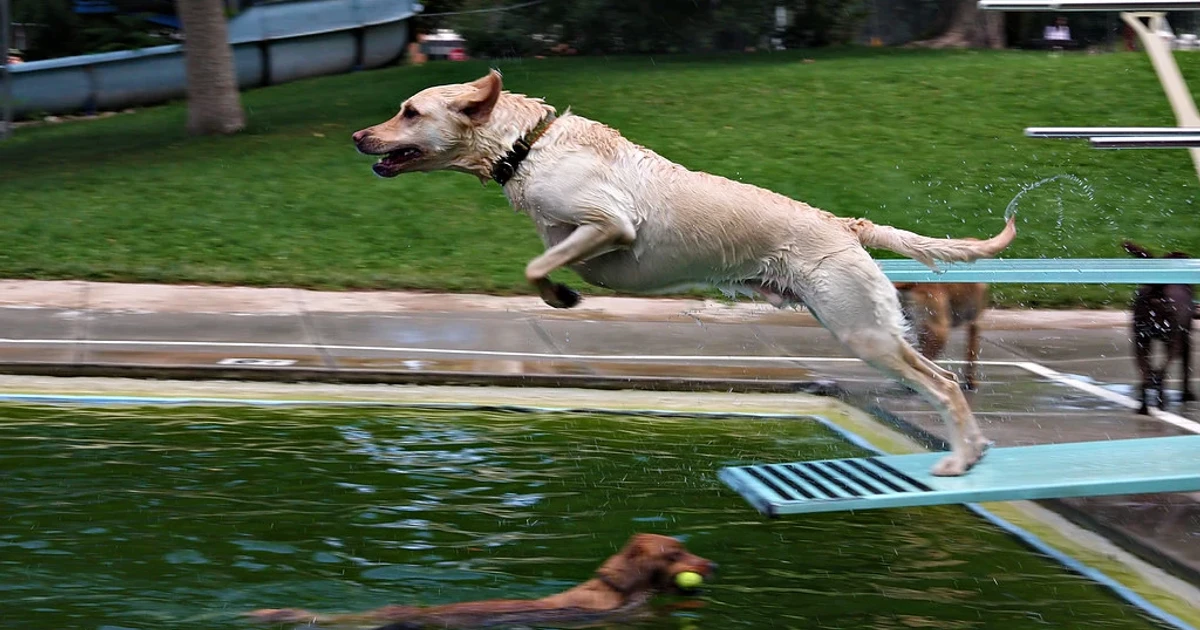
The “dog days of summer” owe their name to a star, not to dogs stretched out in the shade. Sirius, the brightest star in the night sky, sits in the constellation Canis Major, the Greater Dog, and that celestial connection gave the season its enduring label.
Where the name came from
Ancient Greeks and Romans associated Sirius with the most punishing stretch of summer. When the Dog Star rose with the Sun, they believed it helped drive the oppressive heat of late July and August. That idea sat at the center of the phrase from the start, which is why the expression has ancient Greek roots rather than any link to actual dogs panting in the heat.
National Geographic explained that meaning on July 10, 2015, describing these punishingly hot summer days as named for an ancient belief about the brightest star in the sky. HISTORY followed with its own account on August 5, 2015, stressing the same point: the phrase has nothing to do with dogs lying around in the sun.
Sirius, the Dog Star
Sirius earned its nickname from its place in Canis Major. Because it is so bright and so prominent in the night sky, ancient observers treated it as more than a distant point of light. They tied its appearance to the seasonal rhythm of heat, giving the star a practical role in how summer was understood.
Britannica notes that the term “dog days” refers to periods of exceptionally hot and humid weather that often occur in July and August. That modern meaning preserves the old celestial logic even after astronomy and astrology were separated from everyday weather explanation. The phrase still carries the same basic message: this is the hottest part of the season.
Why ancient people linked the star to heat
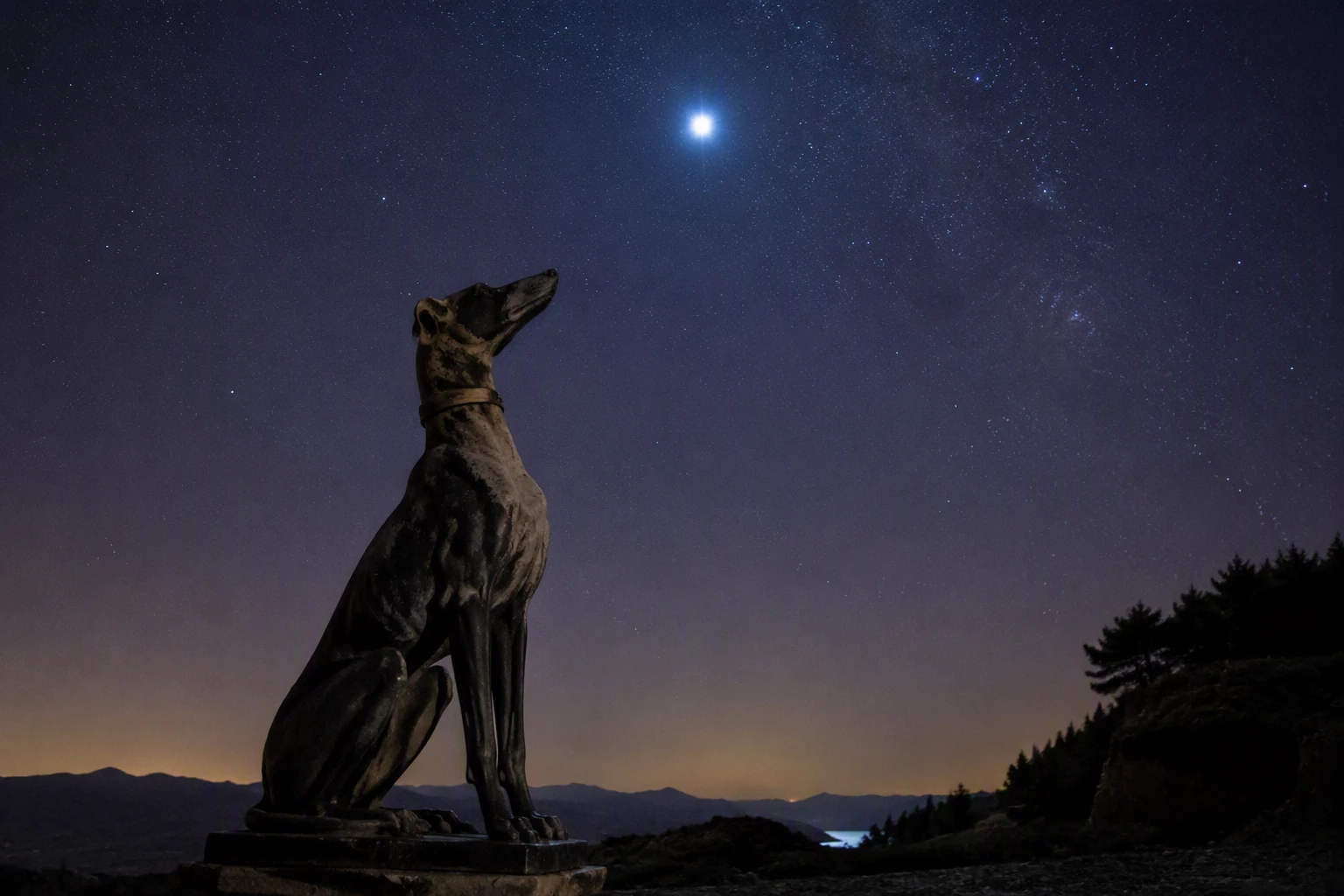
The Greeks and Romans did not read Sirius as a harmless marker in the sky. They connected its rise with the Sun to the most intense heat of midsummer, treating the star as part of the season’s weather story. KCLY Radio describes that ancient Greek and Roman tradition as a period that begins around July 23, when the heat was thought to sharpen as Sirius and the Sun rose together.
That belief lasted because it matched lived experience. Late July and August can feel like the year’s harshest stretch, especially in places where heat and humidity combine to make the air feel heavy. The old explanation was astronomical; the sensation it tried to explain remains familiar.
The dates people still use
Today, the phrase is often pinned to a specific window. The Old Farmer’s Almanac commonly dates the dog days from July 3 to August 11, a span that captures the middle of summer’s most intense heat. KCLY Radio gives the ancient Greek and Roman period a slightly different starting point, around July 23, showing that the tradition has been counted in more than one way across time.
Those date ranges matter because they show how the phrase moved from mythic observation to calendar shorthand. What began as a belief about Sirius became a practical way to name a season that many people still experience as the peak of summer discomfort. The wording survives because it remains useful.
Not just a saying, but a weather description
Britannica’s definition is direct: dog days are periods of exceptionally hot and humid weather, and they often fall in July and August. That description explains why the phrase has stayed in circulation long after the ancient explanation lost its authority. It still names a real stretch of weather, even if modern science no longer links heat waves to a star’s appearance.

The phrase also adapts well to the language of today’s summer warnings. When forecasters issue heat advisories, the public is hearing a modern version of the same message that ancient observers tried to express with Sirius: the season has entered its most punishing phase. The old star-based image gives a historical name to a current public-health reality.
Why the Egyptians mattered too
Britannica adds another layer to the story by noting that the Egyptians appear to have used the annual sunrise reappearance of Sirius as a fixed point in their solar calendar. That detail shows the star was not only a symbol of heat but also a marker of time. Its predictable return gave ancient people a way to organize the year around a visible event in the sky.
That calendar role helps explain why Sirius mattered so much beyond Greek and Roman storytelling. The star became both a seasonal signal and a practical reference point. In that sense, the dog days are part astronomy, part chronology, and part weather lore.
What the phrase means now
The modern meaning is simpler than the ancient one, but it still carries the same force. When people talk about the dog days of summer now, they mean the stretch of oppressive heat that often lands in July and August. The image no longer depends on astrology, yet the language still evokes the pressure of late-summer weather with unusual precision.
That endurance is what makes the phrase so useful. A star once gave its name to a season, and the name outlived the belief that created it. Sirius remains in the background of the phrase, but the meaning people feel today is the same one the ancients recognized: the hottest days of summer have arrived.
Sources
- [1]cbsnews.com
- [2]nationalgeographic.com
- [3]history.com
- [4]almanac.com
- [5]kclyradio.com
- [6]britannica.com