Sports
Why the World Cup bronze final still matters in 2026
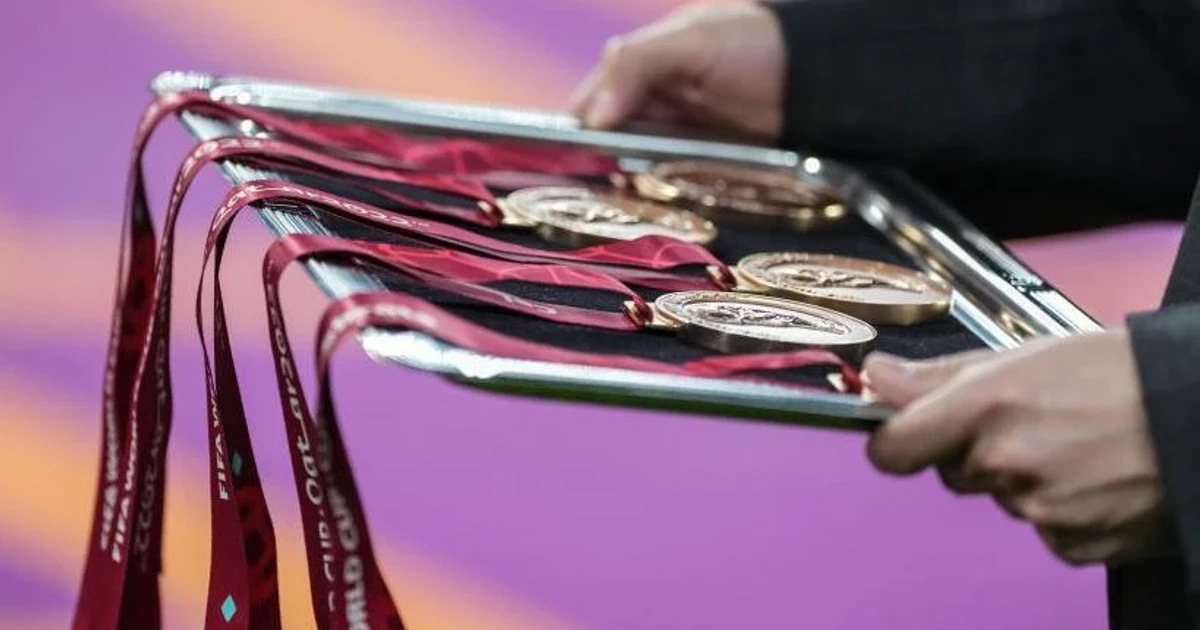
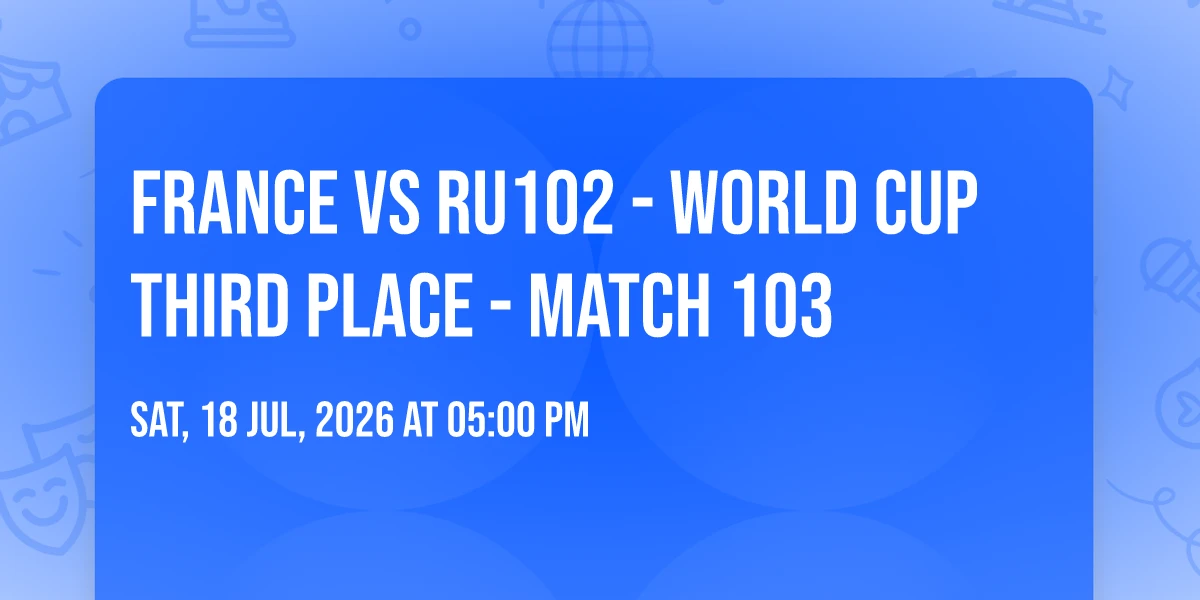
Match 103 of the 2026 World Cup is set for Saturday, July 18, at Miami Stadium: the bronze final between the tournament’s two losing semifinalists. It will decide third place, fourth place and leave one team with a slice of tournament history. The fixture can still touch national pride, the Golden Boot race and a very large prize check after the title chase is already over.
What the bronze final actually decides
The bronze final is the World Cup’s third-place match between the two teams that lose in the semifinals. Its job is simple: decide who finishes third and who goes home fourth, a distinction that has always mattered more to federations and players than to the trophy ceremony itself. The format dates back to 1934, which makes it one of the competition’s oldest surviving traditions.
The match is not an exhibition and not a replay; it sits inside the official standings, gives the tournament a clear podium, and preserves a competitive finish for teams that came within one win of the final.
Why it keeps surviving the criticism
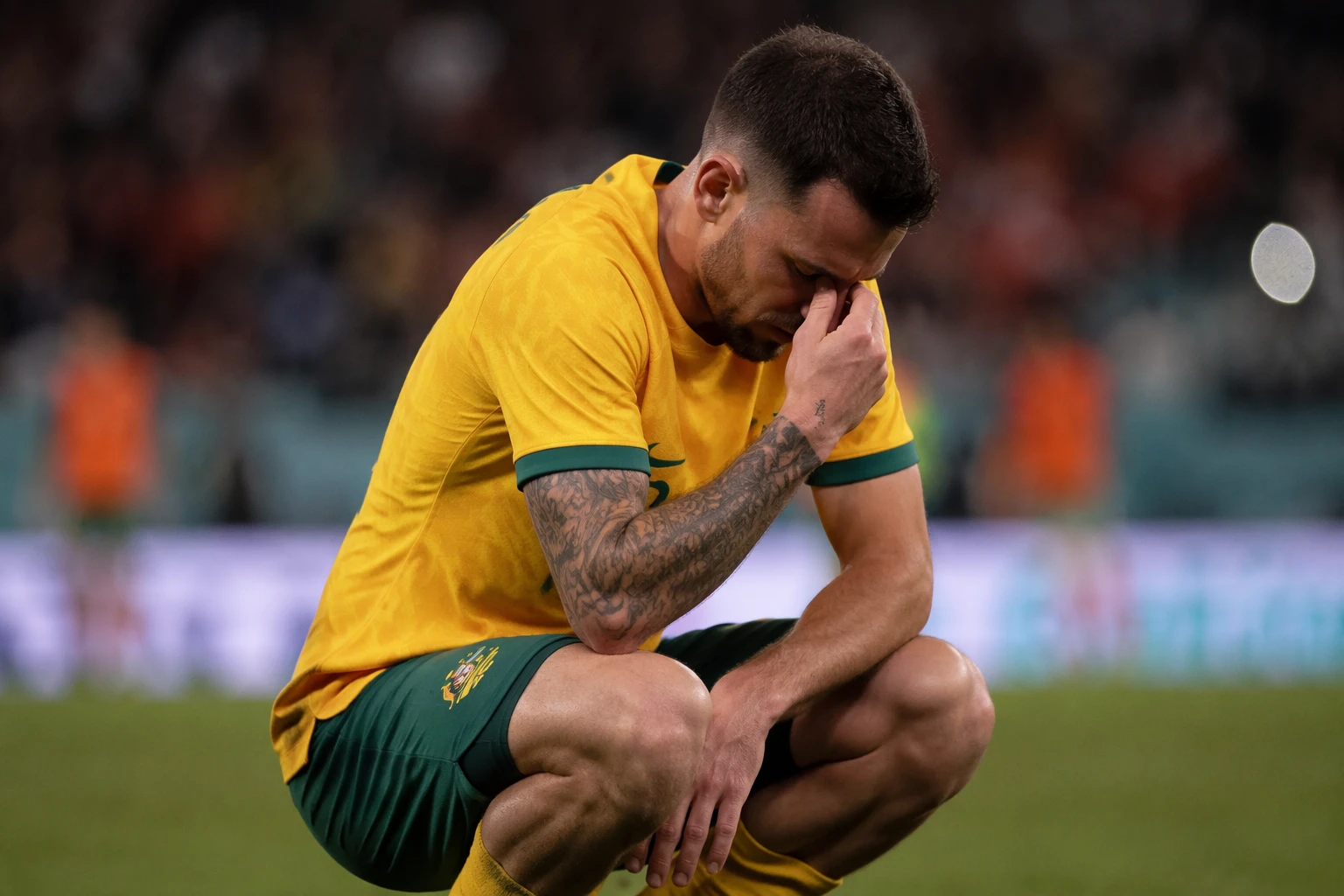
The bronze final has a reputation as a game nobody wants to play, and that reputation is earned. By the time it arrives, both teams have already absorbed the disappointment of losing a semifinal, and neither can still win the title. The emotional challenge is obvious: players must reset quickly enough to compete again when the biggest prize has already slipped away.
Even so, the match remains part of modern World Cup history. It creates a final ranking, adds a recordable result to the tournament ledger and gives supporters one more national-team match before the tournament ends.
The money is real, not symbolic
The bronze final also survives because the financial gap between third and first is large enough to matter. In the 2026 World Cup prize structure, the third-place finisher receives $29 million, while the champions receive $50 million. That leaves a $21 million difference between winning the final and finishing on the bronze podium, a margin big enough to make one more match worth the effort for federations and their bonus structures.
That payout changes the tone of the game. A team that leaves with third place does not merely collect a consolation result; it leaves with a major tournament payment and a far more favorable balance sheet than the fourth-place team.
Why players still care after losing a semifinal
The bronze final still reaches into the individual awards race. The 2026 edition can still affect the Golden Boot race, because players on the two semifinal losers get one more match to add goals before the tournament ends. One goal in a bronze match can move a scorer up the standings, alter the final award picture and change the way a campaign is remembered.

That individual layer is easy to miss when the conversation focuses only on the disappointment of missing the final. Yet for a striker chasing the tournament’s top-scorer honor, or for a team hoping to finish with a positive note, the bronze game remains a live stage. It is also the last chance to turn a semifinal loss into a win, which can matter to players, coaches and supporters who do not want the tournament to close on a defeat.
Why 2026 keeps the debate alive
By the time the bronze final arrives, the tournament has stretched across a long schedule. It also leaves broadcasters with one more premium live slot and gives fans one more chance to see a national side compete before the championship is decided.
Sources
- [1]bbc.co.uk
- [2]aol.com
- [3]tbsnews.net
- [4]aljazeera.com
- [5]reddit.com