Business
Why U.S. Gas Prices Rise Despite Net Oil Exports
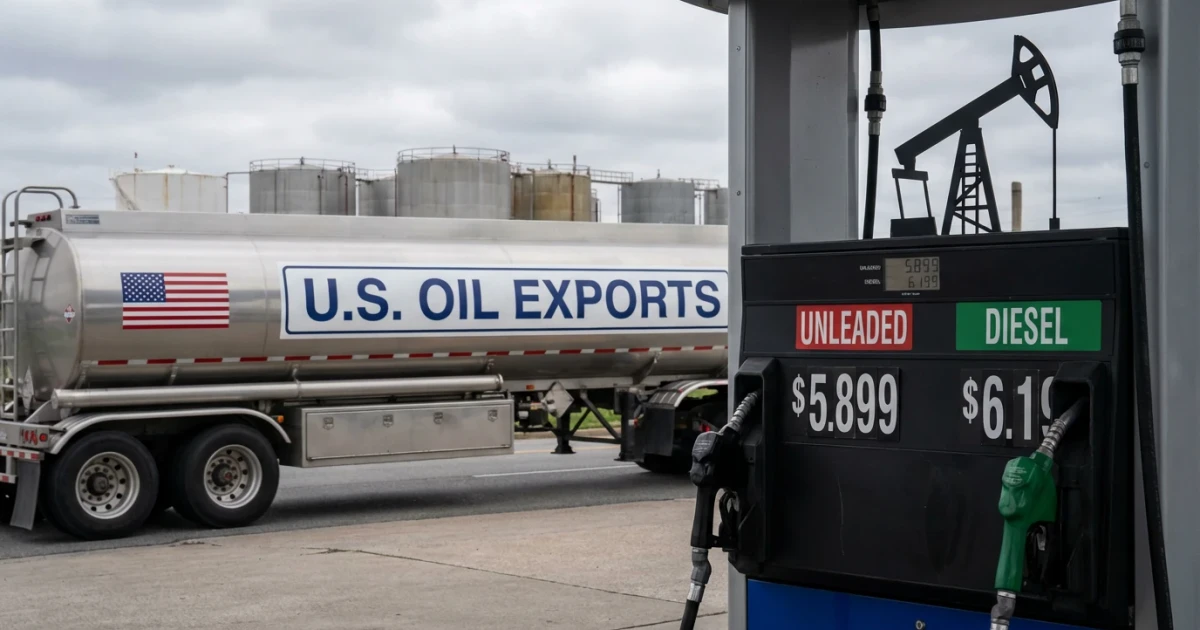
U.S. drivers have watched gasoline prices climb in recent months, even as the country maintains its status as a net exporter of oil and petroleum products. This apparent paradox has led many to ask: If America exports more oil than it imports, why do domestic gas prices still surge? A closer look at market forces, refinery capacity, and global demand reveals a complex answer.
Net Export Status Does Not Guarantee Lower Gas Prices
Since 2020, the U.S. has become a net exporter of petroleum, meaning it exports more crude oil and petroleum products than it imports. According to weekly data from the U.S. Energy Information Administration, this trend has continued, with American refineries sending large volumes of gasoline, diesel, and crude oil to overseas markets. But as Jalopnik highlights, being a net exporter does not shield American consumers from rising prices at the pump.
- According to weekly net import/export data, the U.S. exported an average of over 4 million barrels per day of petroleum products in recent months.
- Despite this, retail gasoline prices have trended upward, with national averages above $3.50 per gallon as of April 2026.
Global Oil Markets Drive Domestic Prices
Gasoline prices are set in a global marketplace. As noted by Jalopnik and supported by the EIA’s analysis, U.S. refineries and oil producers participate in international trade, selling to the highest bidder—whether domestic or foreign. This means that American consumers are effectively competing with buyers abroad for domestic fuel.
Several factors influence U.S. gas prices, including:
- Crude oil prices, determined by global supply and demand
- Refining capacity, which can be strained by maintenance or outages
- Seasonal demand shifts, such as increased travel in summer months
- Geopolitical tensions or production cuts by OPEC and other oil-producing nations
For a deeper understanding of these factors, the EIA provides a detailed explainer on gasoline price fluctuations.
Refinery Constraints and Regional Differences
While the U.S. produces and exports significant quantities of petroleum, not all of it is refined or distributed evenly across the country. Jalopnik points out that regional differences in refinery capacity can lead to higher prices in areas with supply bottlenecks or where refineries are offline for maintenance.
Data from the Federal Reserve’s Industrial Production reports shows that refinery utilization rates have fluctuated, occasionally dipping below optimal levels. This can restrict gasoline supply, pushing prices higher even in a net-exporting nation.
Export Incentives and Domestic Impact
American refineries export gasoline and diesel when international buyers offer higher prices. This can tighten domestic supplies and contribute to price increases at home. Jalopnik notes that U.S. oil companies operate in a competitive market, prioritizing sales where profits are greatest. As a result, high overseas demand can translate to higher prices for American drivers.
What Can Consumers Expect?
Experts predict that gasoline prices will remain sensitive to global market movements, refinery outages, and seasonal demand shifts. While the U.S. remains a net exporter, this status alone cannot guarantee relief at the pump. Instead, a mix of international and domestic factors will continue to set the price drivers pay.
In summary, while the U.S. exports more oil and petroleum products than it imports, Americans are not immune to global energy market dynamics. Until domestic supply consistently outpaces both domestic and international demand—or significant shifts occur in the global oil market—gasoline prices will remain volatile and subject to forces beyond U.S. borders.